JOIN NOW .join-btn { display: inline-block; padding: 10px 15px; border: 2px solid #ffffff; color: #ffffff; background: transparent; text-decoration: none; font-weight: 700; font-size: 15px; border-radius: 4px; transition: all 0.3s ease; }.join-btn:hover { background: #ffffff; color: #000000; }


Your car’s suspension system plays a vital role in ride comfort, handling, and safety. Two of the most important components are suspension bushes and shock absorbers (shocks). When these parts wear out, your vehicle may become uncomfortable to drive, harder to control, and unsafe.
In this guide, we’ll explain the most common signs of worn suspension bushes or shocks, what causes them to fail, how to check for problems, and when replacement is necessary.
What Do Suspension Bushes and Shocks Do?
Suspension Bushes
Suspension bushes are usually made of rubber or polyurethane and sit between metal components in the suspension system. Their job is to:
- Absorb vibrations and road noise
- Allow controlled movement of suspension parts
- Improve comfort and stability
Shock Absorbers (Shocks)
Shocks control how your suspension moves by absorbing bumps and preventing excessive bouncing. They help:
- Keep tyres in contact with the road
- Improve braking and cornering
- Maintain steering control
When bushes or shocks wear out, your car’s handling and safety are compromised.
Common Signs of Worn Suspension Bushes or Shocks
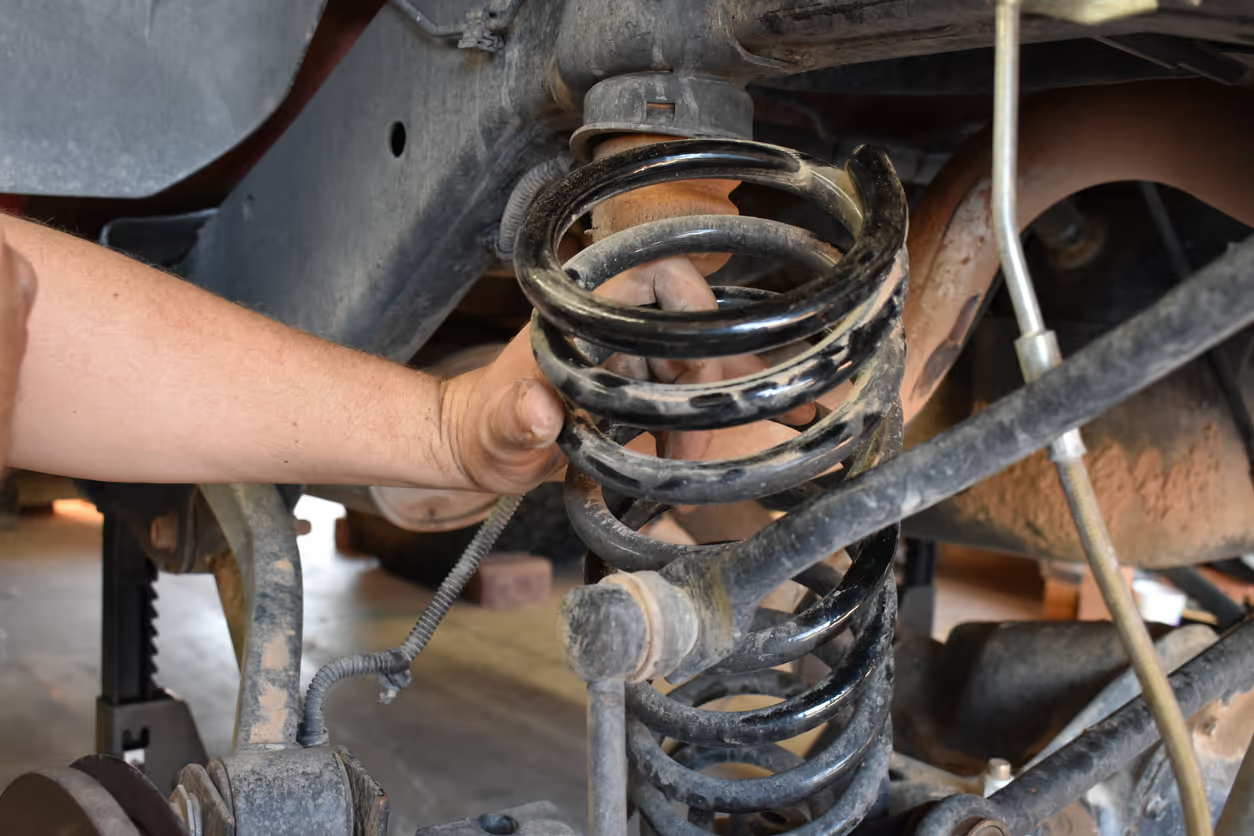
1. Knocking, Clunking, or Creaking Noises
One of the earliest signs of worn suspension bushes is knocking or clunking sounds, especially when:
- Driving over bumps or speed humps
- Turning the steering wheel
- Pulling away or braking
These noises often occur when worn bushes allow excess movement between suspension components.
2. Excessive Bouncing After Bumps
If your car continues to bounce after hitting a bump, this is a classic sign of worn shock absorbers.
Quick test:
- Push down firmly on one corner of the car
- Release it
- If it bounces more than once or twice, the shocks may be worn
3. Uneven or Rapid Tyre Wear
Worn suspension bushes or shocks can cause uneven tyre wear, including:
- Excessive wear on the inside or outside edges
- “Cupping” or scalloped tread patterns
This happens because the tyres are no longer staying firmly planted on the road.
4. Poor Handling and Reduced Stability
You may notice:
- The car feels unstable at speed
- Body roll when cornering
- Wandering or vague steering
Worn suspension components reduce your vehicle’s ability to stay balanced and predictable.
5. Car Pulling to One Side
If your car pulls left or right while driving straight, worn suspension bushes may be allowing the wheels to shift position under load.
⚠️ This symptom is often mistaken for wheel alignment issues — but worn bushes can prevent proper alignment.
6. Increased Braking Distance
Worn shocks reduce tyre contact with the road during braking, leading to:
- Longer stopping distances
- Reduced control during emergency braking
This is a serious safety concern, especially in wet conditions.
7. Visible Cracks, Splits, or Leaks
A visual inspection may reveal:
- Cracked or perished rubber bushes
- Oil leaks from shock absorbers
Any visible damage is a strong indicator that replacement is needed.
Causes of Suspension Bush and Shock Wear
Common reasons these components fail include:
- High mileage and normal wear
- Poor road conditions (potholes, speed bumps)
- Aggressive driving or heavy loads
- Exposure to water, salt, and dirt
Most suspension components gradually degrade rather than failing suddenly.
How Long Do Suspension Bushes and Shocks Last?
- Suspension bushes: 60,000–100,000 miles (depending on material and conditions)
- Shock absorbers: 50,000–80,000 miles on average
Regular inspections help catch problems early and reduce repair costs.
Can You Drive with Worn Suspension Bushes or Shocks?
Technically yes — but it’s not recommended.
Driving with worn suspension components can:
- Reduce vehicle control
- Increase tyre and brake wear
- Cause MOT failure
- Lead to further suspension damage
Replacing worn parts early improves safety and saves money long-term.
FAQ: Worn Suspension Bushes and Shocks
Q1: Will worn suspension bushes cause an MOT failure?
Yes. Excessive play, cracks, or deterioration can result in an MOT failure.
Q2: Are suspension bushes expensive to replace?
Costs vary, but replacing bushes early is far cheaper than replacing entire suspension arms.
Q3: Should shocks be replaced in pairs?
Yes. Shock absorbers should always be replaced in pairs (front or rear) for balanced handling.
Q4: Can worn shocks affect ABS or braking systems?
Yes. Poor tyre contact can interfere with braking performance and ABS operation.
Q5: How often should suspension be inspected?
At least once a year or during routine servicing.
Expert Insight
“Worn suspension bushes and shocks don’t just affect comfort — they directly impact braking, steering, and tyre life. Early diagnosis is key to vehicle safety.”
— Mark Ellison, Vehicle Dynamics Engineer
“Many drivers overlook suspension wear because it happens gradually. Regular inspections can prevent dangerous handling issues and costly repairs.”
— Laura Bennett, Senior MOT Tester
Conclusion
Recognising the signs of worn suspension bushes or shocks is essential for maintaining a safe, comfortable, and reliable vehicle. Noises, poor handling, uneven tyre wear, and excessive bouncing are all warning signs that shouldn’t be ignored.
Routine inspections, timely replacements, and careful driving habits will keep your suspension system performing properly — and your car safe on the road.
Discover more from The Cars Daily
Subscribe to get the latest posts sent to your email.