Toyota’s latest patent filings suggest the automaker is rethinking how EV powertrains are packaged—potentially giving future models more interior space and improved handling.
By relocating key components from the traditional flat battery “skateboard” layout into a central tunnel or fore-and-aft positions, engineers could open up cabin design options while fine-tuning weight distribution.
The two patents, filed in summer 2025 and published in January 2026, outline an EV with a conventional two-row seating arrangement and dual integrated electromechanical units—each housing a motor and power controller.
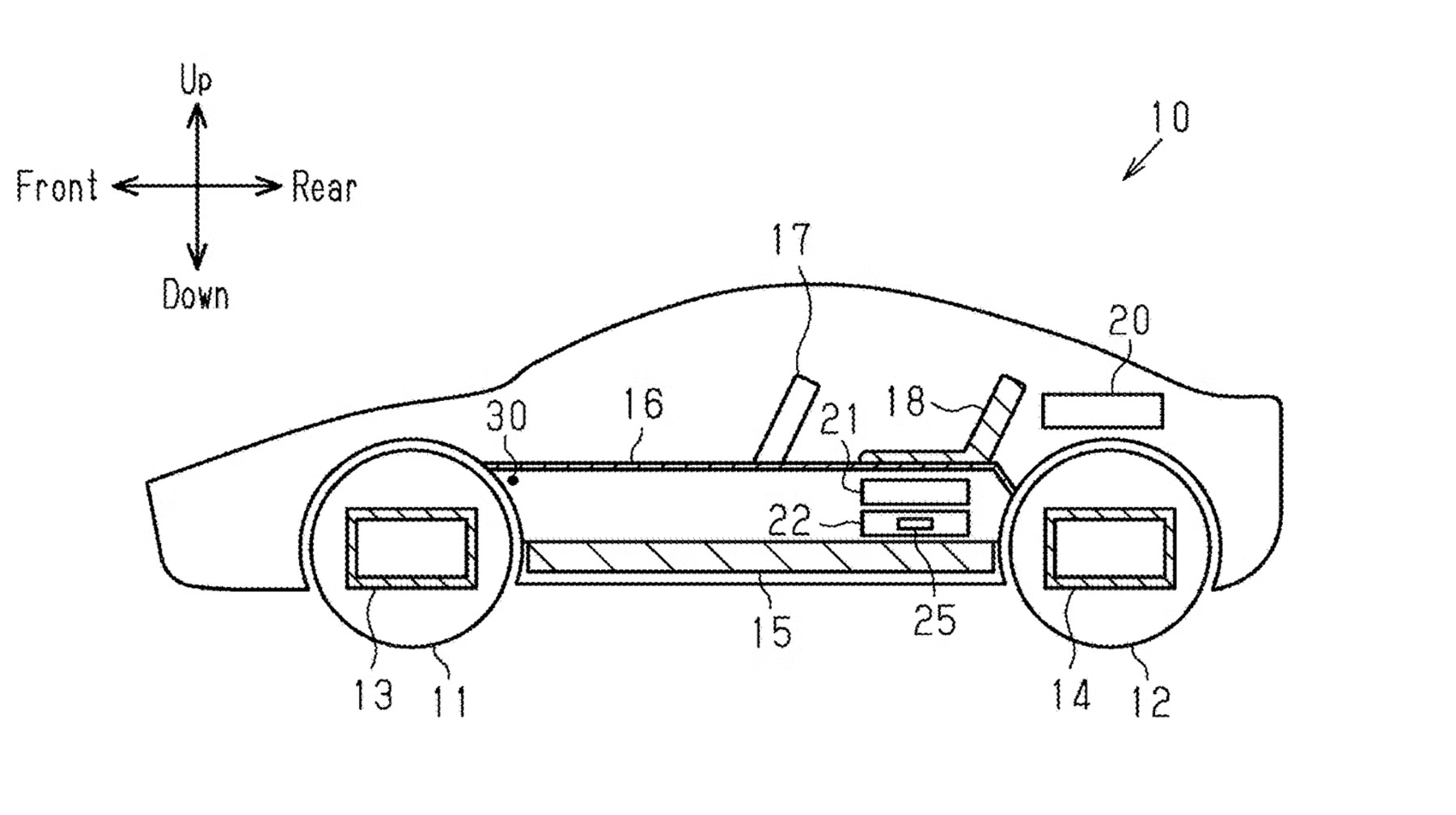
Instead of mounting power control units and junction boxes directly on the battery pack, these systems could sit either in front of or behind it, or in a tunnel between the front seats.
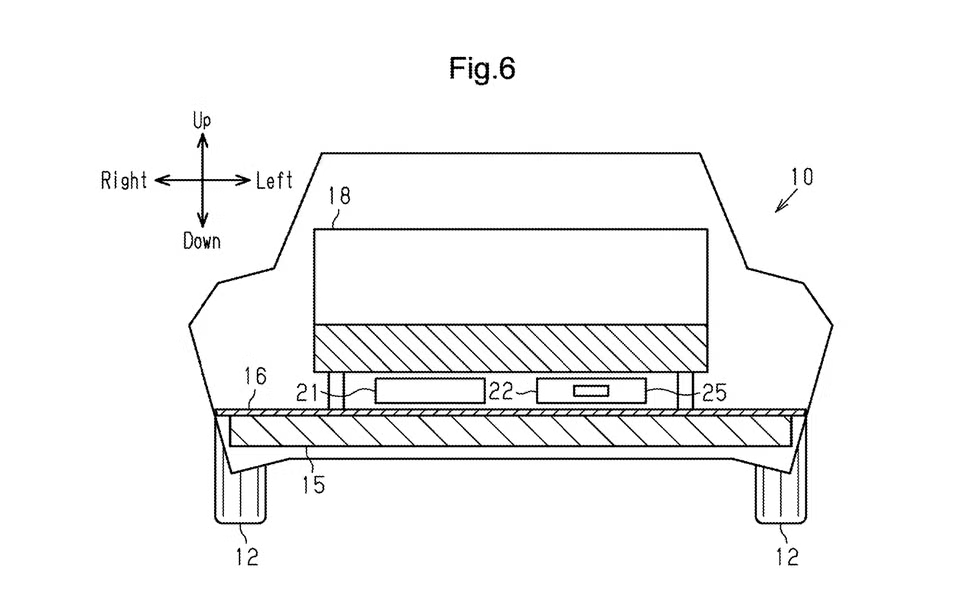
The result: a thinner battery profile that frees space for passengers and cargo, and potentially enables Toyota to bring EV powertrains to shorter vehicles such as sedans or hatchbacks.
Additional advantages could include shorter cabling, reduced weight, and even enhanced safety. One patent also mentions a “manual gear shift simulator,” reminiscent of the setup Toyota showcased in a battery-electric Lexus UX prototype.
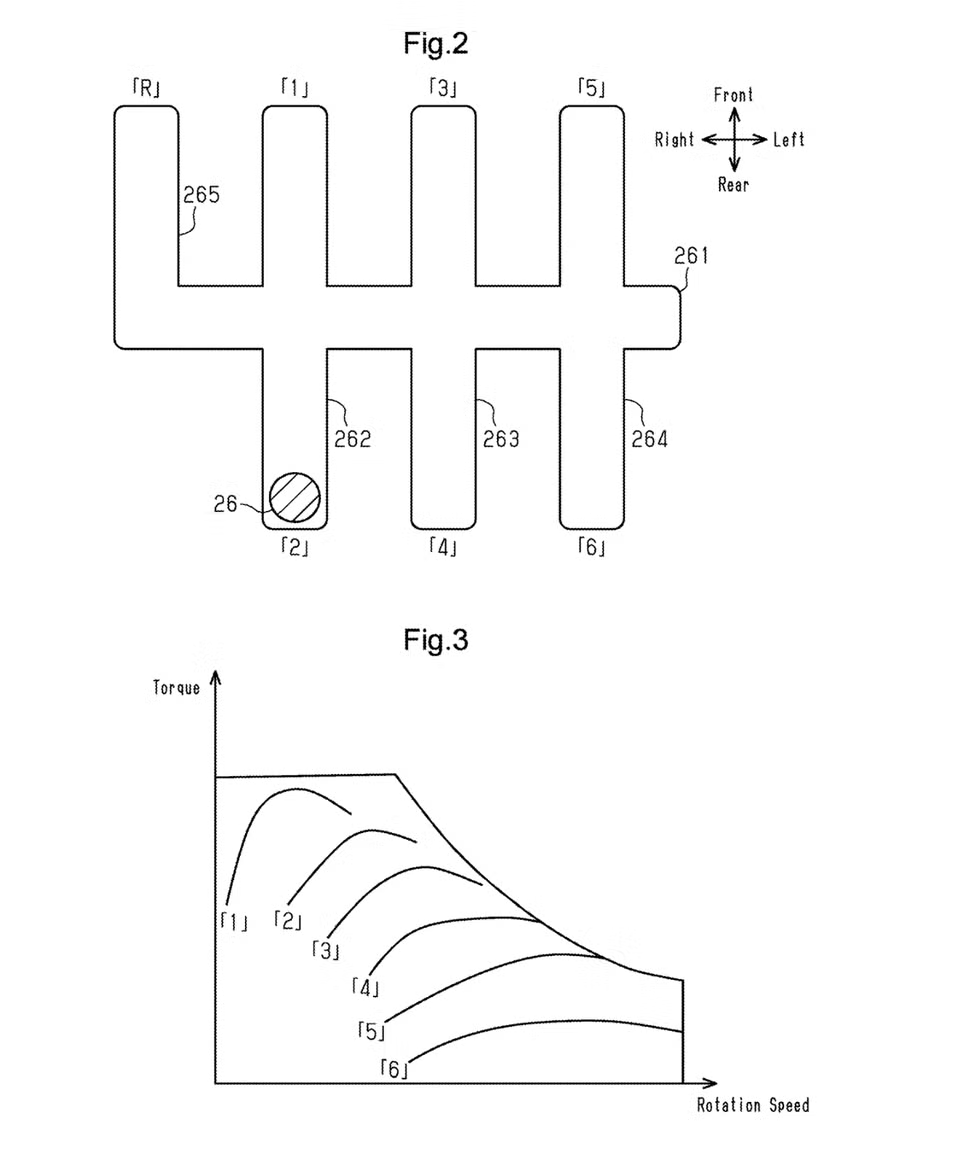
While the company hasn’t confirmed production plans, these filings give a glimpse into how Toyota’s engineers are exploring dual-motor layouts, battery optimization, and advanced controls for future EVs.

Nanae Iwasaki, the listed inventor, previously contributed to patents managing dual-motor charge modes based on inverter and motor temperatures—a hint at the broader technological thinking shaping Toyota’s EV roadmap.
Discover more from The Cars Daily
Subscribe to get the latest posts sent to your email.