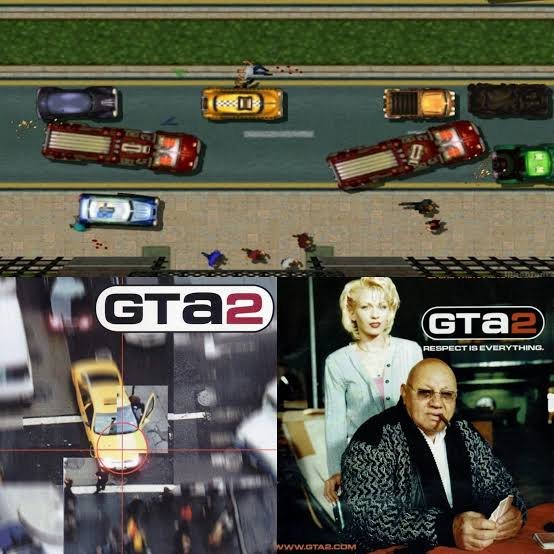
In the original Grand Theft Auto, swapping cars could change what was playing on the radio. The 1997 PC manual even told players to use a CD drive rated at 8× or faster for that mode. It made each stolen car feel like somebody had just left the radio on.
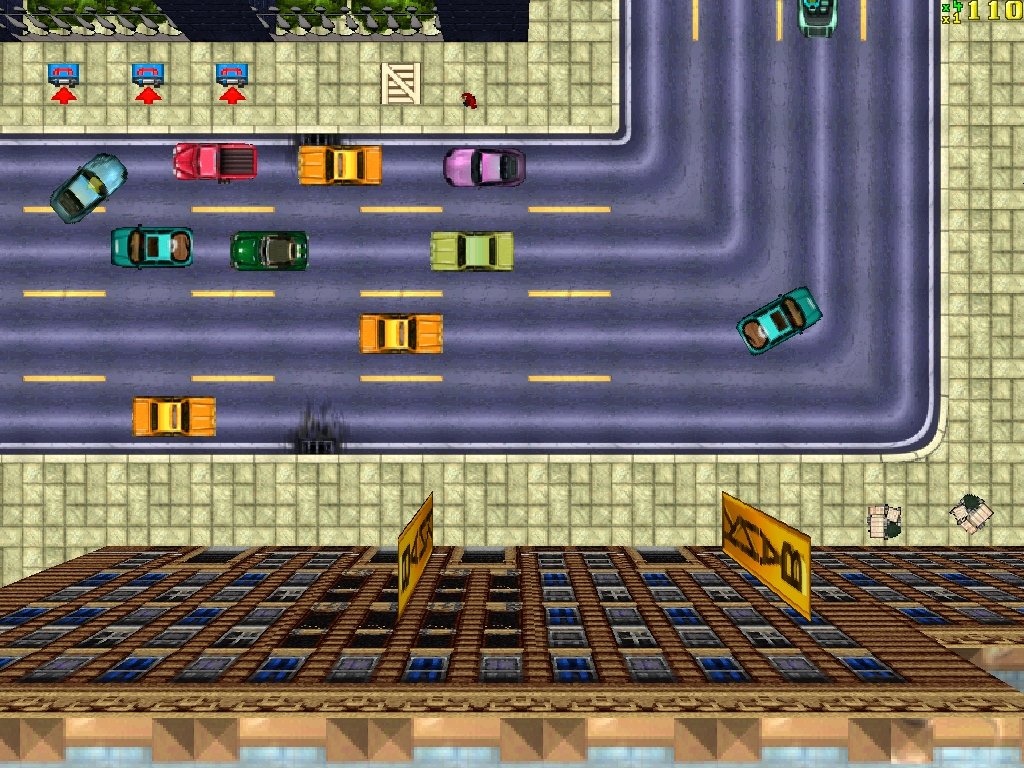
Dundee’s DMA Design sent players through Liberty City, San Andreas and Vice City in 1997. Once the police were after you, every car in traffic was a possible getaway. You could stick with the one you had or risk stopping to grab something quicker.
The camera made speed feel risky
DMA founder Dave Jones likened the view to a helicopter following a chase. The camera pulled back as the car gained speed, giving you a wider view of the streets just as you had less time to choose a turning.
Liberty City’s traffic included the Viper-like Beast GTS and a TV van, with different speed, handling and durability. The sports car gave you a better chance of opening up a gap on a straight. A tougher van made more sense if you expected to spend the next few blocks bouncing off things.
A ringing phone could change your route
A ringing payphone could give you a job. The arrow on screen pointed towards the target, leaving you to work out which streets would get you there.
Lead programmer Keith Hamilton and producer Gary Penn traced the idea to Die Hard with a Vengeance. Putting the calls on street corners let you come across jobs as you drove around the city.
When GTA III took Liberty City into 3D in 2001, the camera moved down behind the car. You could see the next junction at street level, but the decision was familiar. Stay on the main road or duck down a side street? Rockstar’s GTA III overview