A used car with low road tax can help reduce your running costs, but choosing one takes more than finding a small engine or a hybrid badge. The car’s first registration date, recorded CO₂ emissions and exact specification can make a substantial difference.
Two examples of the same model can fall under different tax rules, even if they have the same engine. That makes checking the individual vehicle more useful than relying on a seller’s description of “cheap” or “free” road tax.
This guide focuses on petrol cars first registered before 1 April 2017, where low-emission versions can still attract modest annual bills. These are research-based buying suggestions, rather than claims that we have tested every version.
Tax information checked on 1 November 2026. Figures below refer to a single annual payment unless stated otherwise.
How Low Road Tax Works on Used Cars
Road tax, officially Vehicle Excise Duty or VED, depends on which registration-date rules apply.
Cars registered between 1 March 2001 and 31 March 2017
For these cars, recorded CO₂ emissions determine the relevant emissions band. The lower bands currently cost:
| Recorded CO₂ emissions | Annual VED |
|---|---|
| Up to 100g/km | £20 |
| 101–110g/km | £20 |
| 111–120g/km | £35 |
| 121–130g/km | £170 |
The jump above 120g/km makes checking the exact version worthwhile. Older adverts describing certain cars as having “£0 road tax” may also be out of date.
Check the current GOV.UK rates for cars registered before April 2017 before buying. Monthly payment totals can differ from a single annual payment.
Cars registered on or after 1 April 2017
These generally move onto a standard annual rate after their first tax payment. The current standard rate is £200, with an additional expensive-car supplement applying to qualifying vehicles.
A low-emission petrol car or hybrid registered under this system does not automatically receive the low annual bill available to an earlier example.
For older vehicles first registered before March 2001, separate engine-capacity rules generally apply. Exemptions and special cases also exist, so always establish the individual vehicle’s tax position.
Which Used Cars Are Worth Considering?
The shortlist below identifies versions worth investigating. The tax amount applies only when the vehicle’s registration date and recorded emissions meet the stated conditions.
| Car | Version to investigate | Tax position to check |
|---|---|---|
| Suzuki Celerio | Pre-April 2017 1.0 petrol | Recorded emissions up to 110g/km: £20 annually |
| Toyota Aygo | Second-generation 1.0 VVT-i, registered before April 2017 | Recorded emissions up to 110g/km: £20 annually |
| Suzuki Swift | Pre-April 2017 1.2 Dualjet manual, front-wheel drive | Check for the 99g/km version: £20 annually |
| Kia Picanto | Second-generation 1.0 petrol manual, registered before April 2017 | Up to 110g/km: £20; 111–120g/km: £35 |
| Skoda Fabia | Third-generation 1.2 TSI, registered before April 2017 | Up to 110g/km: £20; 111–120g/km: £35 |
1. Suzuki Celerio: A Straightforward City-Car Option
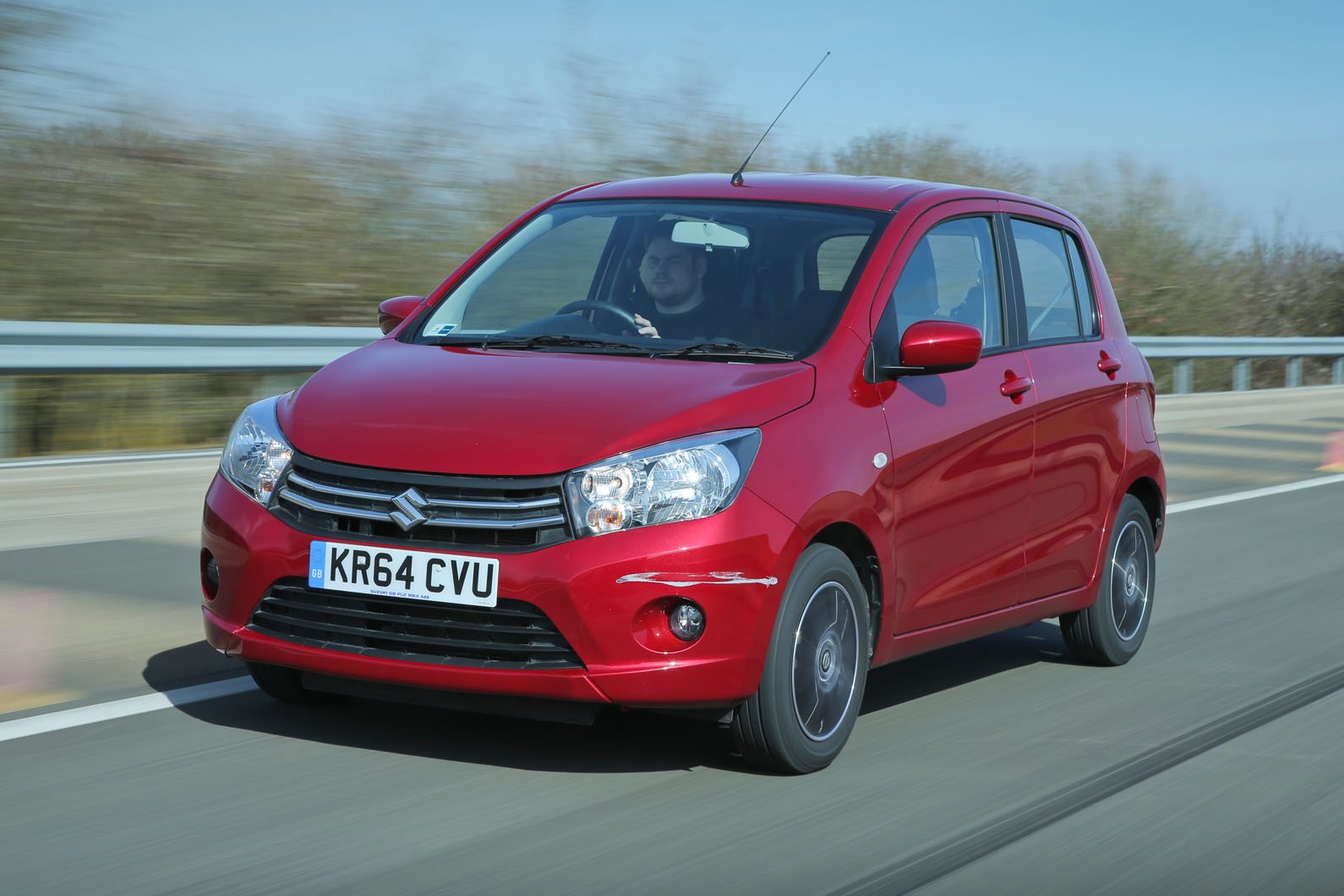
The Celerio is worth considering if your priorities are a compact footprint and a simple petrol-powered runabout.
Suzuki’s UK launch specifications listed 99g/km for the initial 1.0-litre model, with a later Dualjet version reducing that figure to 84g/km. For qualifying examples registered before April 2017, both fall into the current £20 annual band.
That means paying extra for a Dualjet solely to reduce road tax would not produce an additional VED saving under today’s rates.
Check clutch operation, tyre condition, braking and service history during an inspection. Try the car on the roads you actually use, particularly if motorway journeys will form a regular part of ownership.
Best suited to: Buyers seeking a small petrol car for local journeys.
2. Toyota Aygo: Look for the Earlier Second-Generation Car

The second-generation Aygo arrived in 2014 with a 1.0-litre petrol engine. Toyota’s launch information gave CO₂ figures of 95g/km for the manual and 97g/km for the x-shift automated manual.
An example with those recorded emissions, first registered before April 2017, currently attracts £20 annual VED.
The registration date is crucial. A later Aygo can look almost identical while falling under the newer tax system.
If considering x-shift, test it carefully in slow traffic and while manoeuvring. It is an automated manual, so its operation differs from a conventional automatic. Also check whether its four-seat layout and luggage space meet your needs.
Best suited to: Town driving where compact dimensions matter more than passenger or boot space.
3. Suzuki Swift: Specify the 1.2 Dualjet

Suzuki introduced a front-wheel-drive 1.2 Dualjet manual version with official CO₂ emissions of 99g/km. A qualifying pre-April 2017 example therefore falls into the current £20 annual band.
Other 1.2-litre versions, including different transmissions and four-wheel-drive variants, have different emissions figures. Do not assume the engine capacity or model badge guarantees the same bill.
Check the registration record against the advertised specification. During a viewing, assess clutch engagement, gear selection, braking, suspension noises and evidence of regular maintenance.
Best suited to: Buyers wanting a small hatchback for a mixture of town and longer journeys.
4. Kia Picanto: Check the Particular 1.0-Litre Version
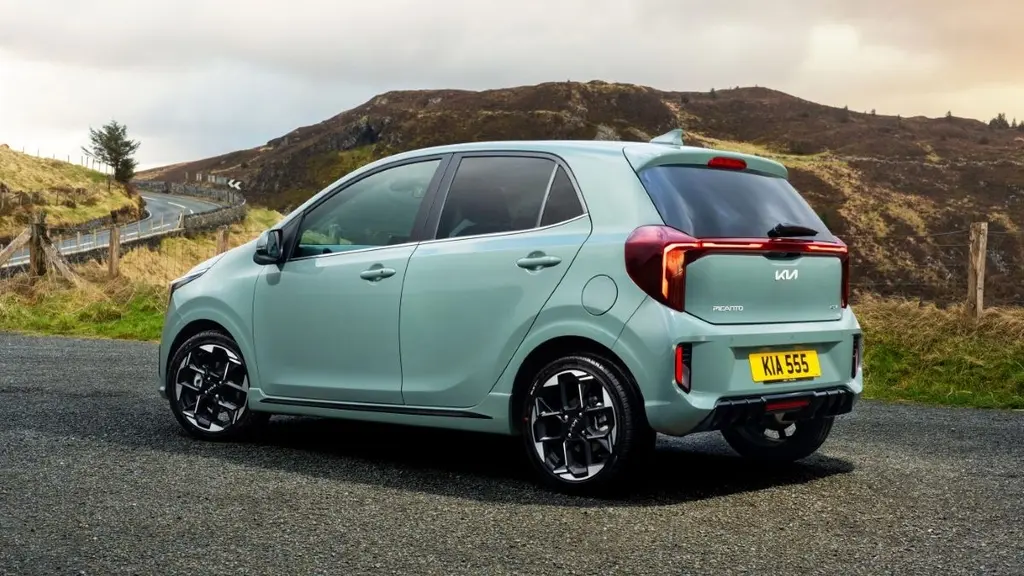
A second-generation Picanto 1.0 petrol manual is another sensible starting point for a low-tax search.
However, emissions vary with specification. Establish whether the individual car falls at or below 110g/km, attracting £20 annually, or within the 111–120g/km bracket, attracting £35, under the pre-April 2017 rules.
Do not carry those assumptions over to newer Picantos or automatic versions.
Check the service records and operation of the clutch, brakes, steering and fitted electrical equipment. Get an insurance quotation before committing: a small engine does not guarantee the cheapest premium for your circumstances.
Best suited to: Buyers comparing compact petrol hatchbacks for everyday use.
5. Skoda Fabia: More Space, but Greater Specification Differences

For buyers who need more flexibility than a city car provides, a third-generation Fabia 1.2 TSI registered before April 2017 is worth investigating.
Skoda’s technical information includes low-emission 1.2 TSI configurations, but the exact power output, gearbox and body style matter. Check the recorded CO₂ figure rather than applying one advertised tax amount to the entire range.
Examples at or below 110g/km currently attract £20 annually; those at 111–120g/km attract £35.
Be especially careful when comparing older and newer Fabias carrying the same engine description. Confirm the generation and engine specification, then research its maintenance requirements before buying.
Best suited to: Buyers who need a more versatile hatchback while keeping annual VED modest.
How to Check the Tax Before Buying
Ask the seller for the registration number before travelling to view the car.
Use the GOV.UK vehicle information service to check the recorded details, including first registration date and CO₂ emissions. Compare these with the V5C registration certificate and the advert.
Then:
- Identify which registration-date tax rules apply.
- Match the recorded emissions to the current rate.
- Confirm the engine, gearbox and body style.
- Query any discrepancy before paying a deposit.
- Budget for taxing the car yourself when ownership changes.
Vehicle tax does not transfer to the new keeper. An advert saying the car is “taxed until next year” does not mean you inherit that remaining period.
Don’t Let a Small Tax Saving Distract From the Car’s Condition
The difference between £20 and £35 annual VED is only £15. One worn tyre or overdue service can cost considerably more.
Compare the purchase price, insurance, likely fuel use, servicing requirements and immediate repairs alongside the tax bill.
If you are working to a tight budget, our guide to the best used cars under £5,000 provides further options. Whatever you choose, a sound example with credible maintenance records is preferable to a neglected car bought purely for its low tax band.
Frequently Asked Questions
Can you still buy a used car with £0 road tax?
Do not assume an older “tax-free” advert remains accurate. Cars in the pre-April 2017 emissions-based system with recorded CO₂ emissions up to 100g/km now generally attract £20 annual VED. Separate exemptions may apply to qualifying vehicles.
Are all small cars cheap to tax?
No. Registration date and recorded emissions matter. A small petrol car registered after March 2017 can attract the standard annual rate despite having low emissions.
Do hybrids automatically have lower road tax?
No. A hybrid badge does not guarantee a reduced annual bill. Check the registration-date rules and the individual vehicle’s tax details.
Is a March 2017 car taxed differently from an April 2017 car?
It can be. The change on 1 April 2017 means otherwise similar cars can fall under different systems. Check the precise first registration date.
Does low road tax mean a car is ULEZ compliant?
No. VED and emissions-zone eligibility use different rules. Check the registration through the relevant zone’s official service before buying.
Which matters more: low tax or service history?
Both affect ownership costs, but a small annual tax saving should not outweigh poor condition, missing maintenance evidence or expensive repairs. Assess the whole car before deciding.