If your power steering warning light appears on the dashboard, don’t ignore it. While you may still be able to drive, steering can quickly become heavy, inconsistent or even unpredictable — especially at low speeds.
Modern cars use either hydraulic or electric power steering systems. When a fault is detected, the vehicle’s onboard diagnostics triggers the warning light to alert you to a problem that could affect control and safety.
What Does the Power Steering Warning Light Mean?
The power steering warning light usually indicates a fault within the steering assistance system. In hydraulic setups, this often relates to fluid pressure or pump issues. In electric power steering (EPS) systems — now common on most UK cars — it typically points to an electrical or sensor-related fault.
You may notice:
- Heavier steering, particularly when parking
- Intermittent loss of steering assistance
- Steering that feels jerky or uneven
- A whining or groaning noise when turning (hydraulic systems)
If the light is red, it generally signals a more serious issue requiring immediate attention. Amber or yellow usually indicates a fault that should be checked soon.
Common Causes of a Power Steering Warning Light
1. Low Power Steering Fluid (Hydraulic Systems)
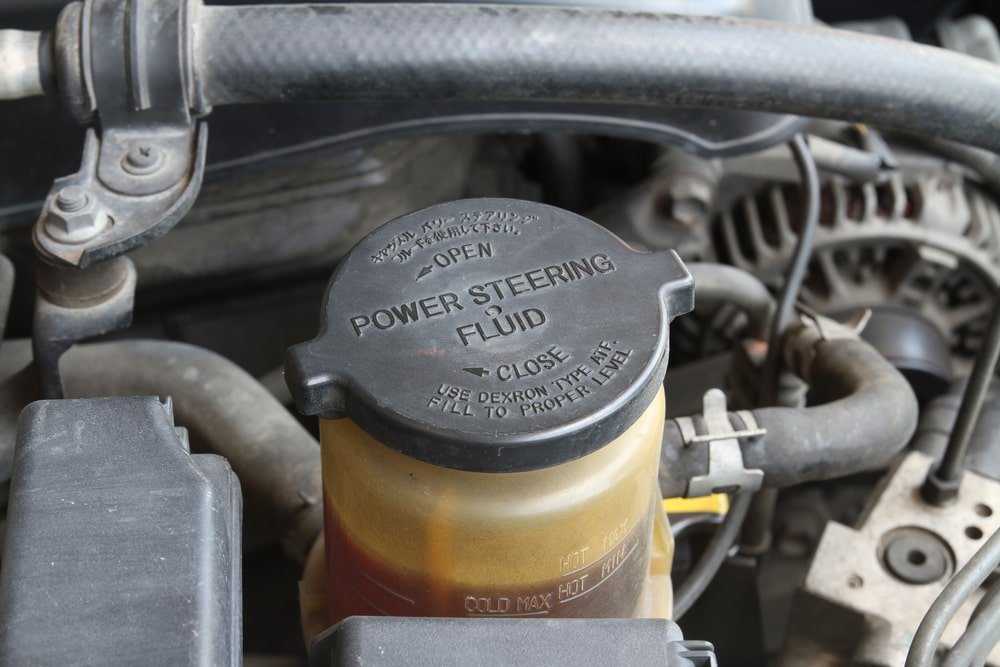
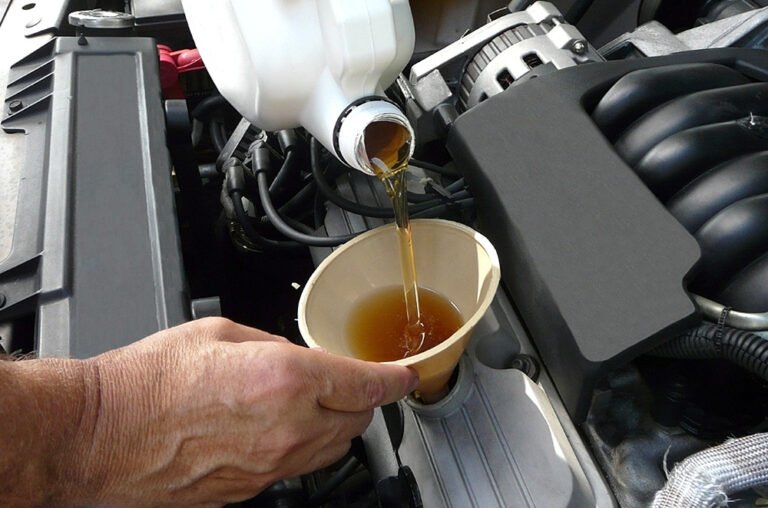
Low or contaminated fluid is one of the most frequent causes. Leaks from hoses, seals or the steering rack can reduce pressure, making steering heavy.
2. Failing Power Steering Pump
In hydraulic systems, the pump maintains fluid pressure. Wear or internal damage can trigger the warning light and cause whining noises when turning.
3. Electric Power Steering (EPS) Motor Failure
EPS systems rely on an electric motor mounted to the steering column or rack. If the motor overheats or fails, steering assistance can cut out.
4. Faulty Steering Angle Sensor
Modern vehicles use sensors to measure steering input. A malfunctioning sensor can confuse the system and trigger a warning.
5. Battery or Charging Issues
Low battery voltage or alternator problems can affect EPS systems, as they depend entirely on electrical power.
6. Blown Fuse or Wiring Fault
Damaged wiring or a blown fuse can interrupt communication between the steering control module and other systems.
Can You Drive With the Power Steering Warning Light On?
Technically, yes — but it depends on the severity. If assistance is lost, steering will feel much heavier, particularly at low speeds. This can make emergency manoeuvres difficult.
If the light appears suddenly and steering becomes stiff, reduce speed and have the vehicle inspected as soon as possible.
How Much Does It Cost to Fix?
Repair costs vary significantly:
- Fluid top-up: £20–£50
- Leak repair: £100–£400
- New power steering pump: £250–£700
- EPS motor replacement: £800–£1,500+
- Steering rack replacement: £600–£1,200
Early diagnosis often prevents more expensive repairs later.
How to Prevent Power Steering Problems
Regular servicing is key. For hydraulic systems, check fluid levels periodically and inspect for leaks. For EPS systems, maintaining a healthy battery and charging system is crucial.
Avoid holding the steering at full lock for extended periods, as this increases system strain.
FAQs
What does the power steering warning light look like?
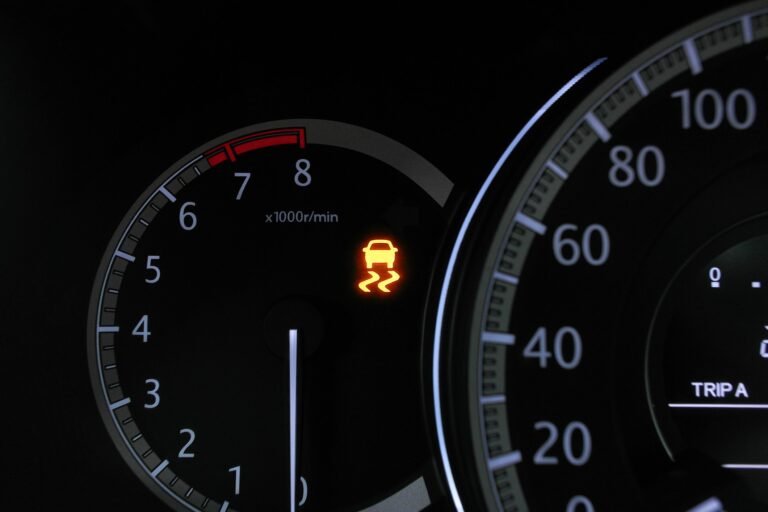
It typically shows a steering wheel symbol, sometimes with an exclamation mark. Some vehicles display “EPS” instead.
Is the power steering warning light an MOT failure?
It can be. If the steering assistance system is malfunctioning or affects safe operation, it may result in a failed MOT.
Why did my power steering light come on after changing the battery?
Low voltage during battery replacement can confuse the steering angle sensor. A system reset or recalibration may be required.
Can low tyre pressure cause the power steering light?
Not directly, but it can make steering feel heavier, which some drivers mistake for a steering fault.
How urgent is a power steering warning light?
If steering feels normal, you can drive cautiously to a garage. If steering becomes stiff or unpredictable, stop driving and seek professional help.