Overfilling engine oil might sound harmless, but too much oil in your engine can cause serious mechanical damage. While low oil levels grab most of the attention, overfilled engine oil can be just as risky and often more expensive to fix.
If you’ve added too much oil after a service or noticed the dipstick reading above the maximum mark, here’s exactly what happens next.
Why Too Much Engine Oil Is a Problem
Modern engines are designed to operate with a precise oil capacity. When the oil level rises above the maximum mark on the dipstick, the crankshaft begins to dip into the oil sump. Instead of rotating cleanly, it churns the oil into foam.
This process, known as oil aeration, introduces air bubbles into the lubricant. Foamy oil cannot properly lubricate vital components such as crankshaft bearings, camshafts and turbochargers. Reduced lubrication increases friction, heat and wear – the exact opposite of what engine oil is meant to prevent.
In severe cases, excessive crankcase pressure can develop, leading to oil leaks from seals and gaskets.
Symptoms of Overfilled Engine Oil
If you’ve overfilled engine oil, watch for these warning signs:
- Blue or grey exhaust smoke
- Burning oil smell
- Rough idling or engine misfire
- Oil leaks around seals
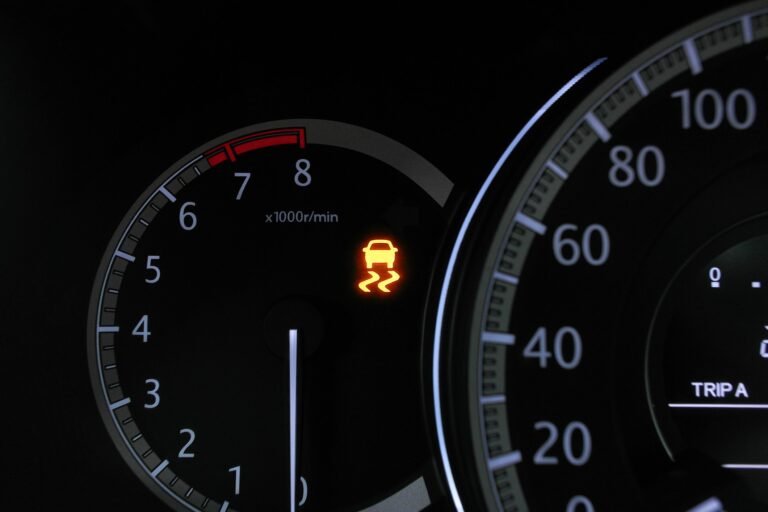
- Check engine light illuminated
- High oil pressure reading
In turbocharged engines, too much oil can damage turbo seals. In extreme cases, oil may enter the combustion chamber and foul spark plugs.
Can Overfilling Engine Oil Damage Your Engine?
Yes. Driving with too much engine oil can cause:
- Blown seals and gaskets
- Catalytic converter damage
- Spark plug fouling
- Engine knocking
- Complete engine failure in worst cases
If the oil level is significantly above the maximum mark, do not continue driving. Even short journeys can increase internal pressure and cause lasting damage.
How Much Is Too Much Oil?
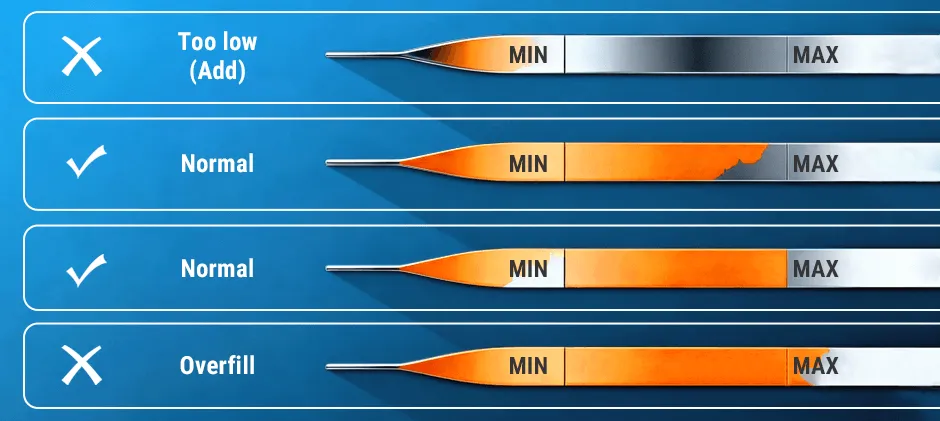
A few millimetres above the max line may not cause immediate failure, but anything substantially overfilled – especially more than 0.5 litres beyond capacity – should be corrected immediately.
Always check your owner’s manual for the correct oil capacity and viscosity grade (for example, 5W-30 or 0W-20). Using the wrong oil type combined with overfilling can compound the issue.
How to Fix Overfilled Engine Oil
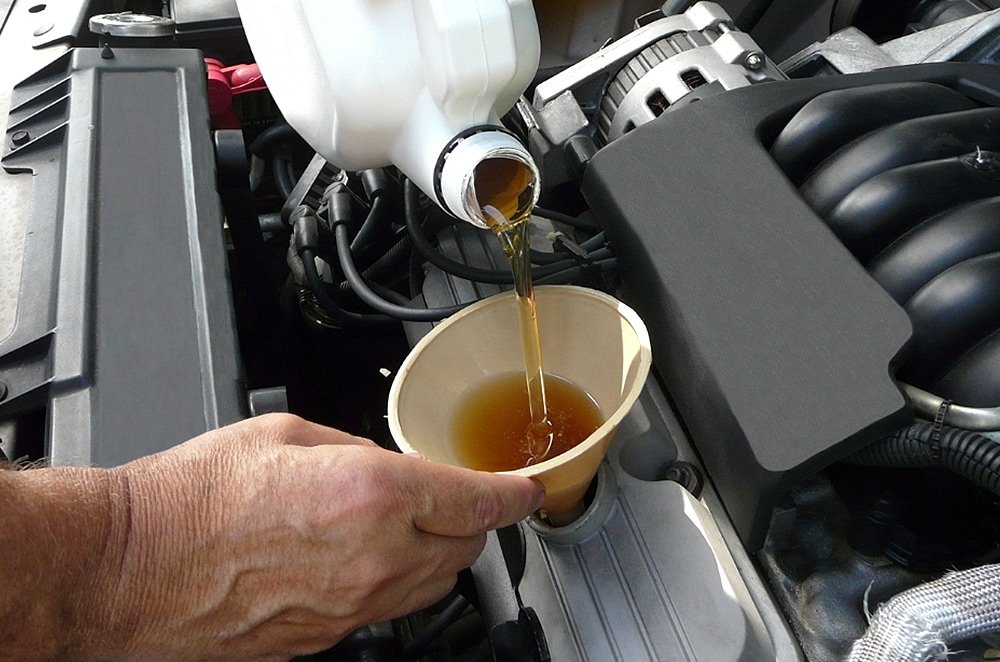
If you’ve added too much oil, you have two main options:
- Drain the excess oil via the sump plug
- Use an oil extraction pump through the dipstick tube
If you’re unsure, a local garage can remove excess oil quickly and cheaply. It’s far less expensive than repairing engine damage.
How to Check Engine Oil Properly
To avoid overfilling engine oil in the future:
- Park on level ground
- Let the engine cool for at least 10 minutes
- Wipe and reinsert the dipstick fully
- Add oil gradually in small amounts
- Recheck before topping up again
Never fill straight to the maximum line in one go. Add slowly and measure carefully.
Final Thoughts
Overfilling engine oil is a common DIY mistake, especially after home servicing. While it might not cause instant failure, driving with too much oil can lead to aeration, increased pressure, oil leaks and potentially catastrophic engine damage.
If your dipstick shows oil above the max mark, act quickly. Correcting the level now could save thousands in repairs later.
FAQ: Overfilled Engine Oil
Can driving with too much oil ruin an engine?
Yes. Excess oil can foam, reduce lubrication and increase crankcase pressure, potentially leading to serious internal damage.
What happens if oil is slightly above the max line?
A very small excess may not cause immediate issues, but it should still be corrected to prevent long-term problems.
Will overfilled oil cause smoke?
Yes. Blue or grey smoke from the exhaust can occur if oil enters the combustion chamber.
How do I remove excess engine oil?
You can drain it from the sump plug or use an oil extraction pump. Many garages can fix it quickly at low cost.
Can overfilling engine oil cause a check engine light?
Yes. Oil pressure irregularities or misfires caused by oil contamination can trigger warning lights.