Buying a used car for under £3,000 in the UK can feel tricky. With such a tight budget, you want a car that is reliable, cheap to run, and practical for your daily needs. Fortunately, there are plenty of excellent options that balance affordability with long-term usability.
This guide focuses on the best cars you can realistically buy for £3,000 or less, what to look out for, and tips to make sure your purchase lasts.
Why Choose a Car Under £3,000?
Cars under £3,000 are perfect for:
- First-time drivers
- Students or young drivers needing affordable insurance
- Budget-conscious commuters
- Families needing a second car
While you may not get the latest technology or top trim levels, careful selection can net you a car that is safe, dependable, and surprisingly enjoyable to drive.
Top Used Cars Under £3,000 in the UK
Here are some of the best cars under £3,000, all widely available in the UK second-hand market. Each offers a balance of reliability, affordability, and practicality.
1. Ford Fiesta (2005–2010)

The Ford Fiesta is a classic choice for budget-conscious buyers. It’s small, easy to drive, and cheap to insure, making it ideal for city driving and daily commutes.
Why it’s a good choice:
- Reliable 1.25 and 1.4-litre petrol engines
- Affordable parts and service
- Comfortable for a small car, with decent cabin space
- Fun to drive with responsive handling
Considerations:
Higher-mileage models may have wear on the clutch and suspension. Check for rust around the wheel arches and sills, especially on older models. Despite this, the Fiesta’s mechanical simplicity means repairs are usually inexpensive.
2. Vauxhall Corsa (2006–2012)

The Vauxhall Corsa is another top choice for a budget car. It’s widely available, practical, and easy to maintain, making it a favourite among first-time drivers.
Why it’s a good choice:
- Small size for city manoeuvrability
- Economical fuel consumption
- Affordable insurance and replacement parts
- Simple interior that’s easy to clean and maintain
Considerations:
Look out for worn suspension components and check for rust along the doors and wheel arches. Electrical gremlins can appear in older models, but overall reliability is solid if the car has been serviced regularly.
3. Volkswagen Polo (2004–2009)

The Polo is a slightly more premium option in the budget category. Known for its solid build quality and comfort, it offers a reliable ride even in older models.
Why it’s a good choice:
- Durable engines with good longevity
- Comfortable and well-insulated cabin
- Excellent resale value if maintained
- Smooth handling for a small hatchback
Considerations:
Rust can appear on older models, particularly in the arches and sills. Clutch wear is common on manual cars, so ensure a test drive checks for smooth gear changes. Timing chain tensioners should be inspected on 1.4-litre petrol engines.
4. Peugeot 206 / 207 (2003–2010)

The Peugeot 206 and its successor, the 207, combine style with practicality. These hatchbacks are lightweight, fuel-efficient, and comfortable for urban driving.
Why it’s a good choice:
- Stylish design for the price
- Good fuel economy for city driving
- Compact yet surprisingly roomy interior
- Affordable to maintain and repair
Considerations:
Suspension bushes can wear with age, and electrical issues occasionally appear. Check for exhaust and MOT advisories. Despite these minor concerns, these cars are reliable if you choose a well-maintained example.
5. Toyota Yaris (2005–2010)

The Toyota Yaris is famous for reliability. Even older models can continue to run smoothly with minimal issues, making it ideal for buyers on a budget.
Why it’s a good choice:
- Excellent reliability record
- Low running and maintenance costs
- Good fuel economy
- Practical for city and suburban driving
Considerations:
Look for rust on arches and worn suspension on high-mileage models. Interiors are usually well-built, and repairs are straightforward, meaning this car can remain dependable for years.
6. Honda Jazz (2004–2009)

The Honda Jazz is a practical hatchback with excellent space utilization. Its “magic seats” allow for flexible seating and cargo arrangements, a big plus for families or those who carry loads frequently.
Why it’s a good choice:
- Extremely reliable engines
- Spacious and practical interior
- Flexible seating for cargo and passengers
- Easy to maintain with widely available parts
Considerations:
Suspension wear is possible on older models, but overall reliability is excellent. Interior wear can occur, especially on seats, but the Jazz is known for durability.
7. Renault Clio (2006–2012)

The Renault Clio is a popular European hatchback with solid ride comfort and fun driving dynamics for the price.
Why it’s a good choice:
- Comfortable and easy to drive
- Good fuel economy, especially with 1.2‑litre petrol engines
- Plenty of cheap parts available
Considerations:
Electrical niggles can pop up, and higher‑mileage engines sometimes need valve adjustments. But a well‑looked‑after Clio is a capable everyday car.
8. Skoda Fabia (2007–2014)

The Fabia is a practical and understated hatchback that shares parts with Volkswagen but often costs less to buy.
Why it’s a good choice:
- Spacious interior for its class
- Comfortable ride on UK roads
- Reliable German‑engineered platforms
Considerations:
Early diesel engines can be expensive to maintain if they have DPF issues. Petrol versions are usually the best bet under £3k.
9. Mazda 2 (2007–2014)

The Mazda 2 is one of the better‑driving small cars in this list, with sharp steering and a quality interior.
Why it’s a good choice:
- Fun to drive with responsive steering
- Great fuel economy
- Mazda reliability record
Considerations:
Rear cabin space is a bit tight compared to others. Rust isn’t a major concern if the car has been cared for.
10. Nissan Micra (2005–2010)

The Micra is a sturdy, no‑nonsense city car that’s easy to drive and cheap to run.
Why it’s a good choice:
- Simple mechanics make it cheap to insure and maintain
- Durable engines and gearbox
- Great visibility for urban driving
Considerations:
Interior quality isn’t premium, and some models need attention to suspension bushes at higher mileage.
11. Suzuki Swift (2005–2010)

The Swift stands out in this price range for its lively engine, low running costs, and nimble handling.
Why it’s a good choice:
- Bright performance for a small car
- Excellent fuel economy
- Easy to park and maneuver
Considerations:
Suspension can feel firm over rough roads. Check service history to avoid neglected timing belt intervals.
12. Hyundai Getz (2006–2011)
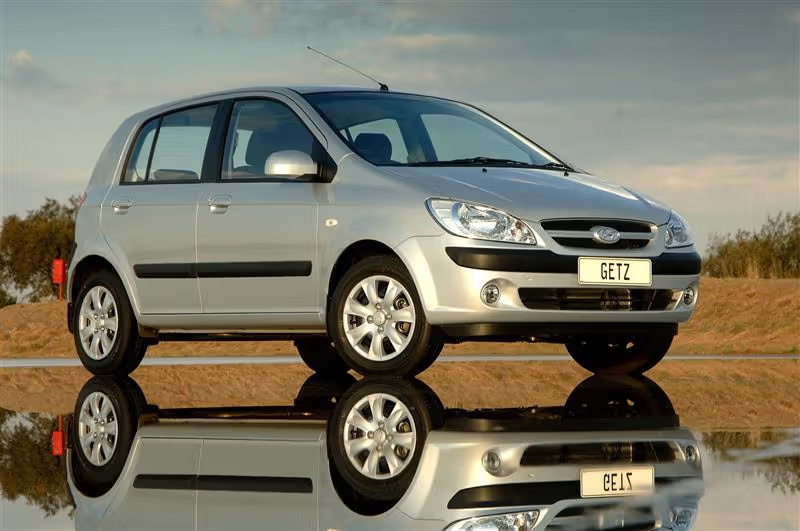
The Hyundai Getz is often overlooked, but it’s a sensible and reliable small car that’s perfect for budget buyers.
Why it’s a good choice:
- Practical and spacious for its size
- Good reliability record
- Affordable parts and servicing
Considerations:
Interior trims aren’t fancy, but this is a car that simply works without drama.
13. Citroën C3 (2005–2010)

The Citroën C3 is a comfortable hatchback with a high seating position that’s great for visibility.
Why it’s a good choice:
- Comfort‑oriented suspension
- Spacious cabin for passengers
- Good on motorway runs for long trips
Considerations:
Check for electrical issues and inspect suspension mounts. A good example is comfortable and capable.
14. Seat Ibiza (2006–2012)

The Seat Ibiza often shares parts with Volkswagen but can be cheaper to buy used, and still offers a lively driving experience.
Why it’s a good choice:
- Sportier feel than some rivals
- Practical cabin layout
- Good handling
Considerations:
As with many VW Group cars, check service history for DSG or clutch wear in manual models.
Summary: Best Cars Under £3,000
Here’s your quick reference table at a glance:
| Car Model | Strengths | Typical Issues |
|---|---|---|
| Ford Fiesta | Fun to drive, cheap to run | Suspension/clutch wear |
| Vauxhall Corsa | Easy to maintain | Electrical niggles |
| VW Polo | Solid build quality | Rust, clutch wear |
| Peugeot 206/207 | Stylish, economical | Suspension bushes |
| Toyota Yaris | Very reliable | Rust on arches |
| Honda Jazz | Spacious cabin | Suspension wear |
| Renault Clio | Comfortable ride | Electrical issues |
| Skoda Fabia | Practical interior | DPF on diesels |
| Mazda 2 | Engaging drive | Tight rear space |
| Nissan Micra | Durable and simple | Interior quality |
| Suzuki Swift | Nimble and efficient | Suspension firmness |
| Hyundai Getz | Affordable and reliable | Basic interior |
| Citroën C3 | Comfortable | Electrical checks |
| Seat Ibiza | Sporty feel | DSG/clutch issues |
Tips for Buying a Used Car Under £3,000
- Inspect Before Buying: Bring a friend or mechanic if possible. Look for rust, leaks, and worn suspension.
- Check MOT History: Use the UK government MOT checker to ensure no recurring advisories.
- Negotiate: Sellers usually expect negotiation; even £100–£300 off can be significant.
- Avoid “Project Cars”: Unless you’re confident with repairs, stay away from cars needing major work.
- Private Seller vs Dealer: Private sales can be cheaper, but dealers offer legal protections.
Frequently Asked Questions (FAQ)
Q1: Are cars under £3,000 worth buying?
Yes, if you pick reliable models with documented service history. Focus on cars with affordable parts and low running costs.
Q2: What should I avoid?
Avoid cars with heavy rust, recurring MOT failures, or mechanical problems that cost more than the car’s value.
Q3: Can I get an automatic under £3,000?
Yes, but they are less common. Look at Ford Fiesta, Vauxhall Corsa, and Peugeot 206 models for automatic options.
Q4: How much should I budget for running costs?
Expect around £500–£800/year for insurance (age-dependent), £400–£600/year for fuel, plus MOT and maintenance.
Q5: Where is the best place to buy?
Private sellers often have better prices, but local dealers offer legal protection. Check AutoTrader, Gumtree, Motors.co.uk, and Facebook Marketplace.