Experiencing your car shaking when driving at 60–70mph can be alarming and unsafe. This common issue affects drivers across the UK and can indicate anything from simple tyre problems to serious mechanical faults. In this guide, we’ll explore the most common causes, how to diagnose the problem, and what fixes you can apply to get your vehicle running smoothly again.
Why Your Car Shakes at 60–70mph
If your car shakes when driving at 60–70mph, the issue is usually related to components that only show symptoms at higher speeds. At lower speeds, minor imbalances or worn parts may go unnoticed — but once you reach motorway speeds, even small imperfections can cause noticeable vibration.
Below are the most common causes of steering wheel vibration at high speed, car shaking at motorway speeds, and vehicle vibration around 70mph.
1. Wheel Balancing Issues (Most Common Cause)
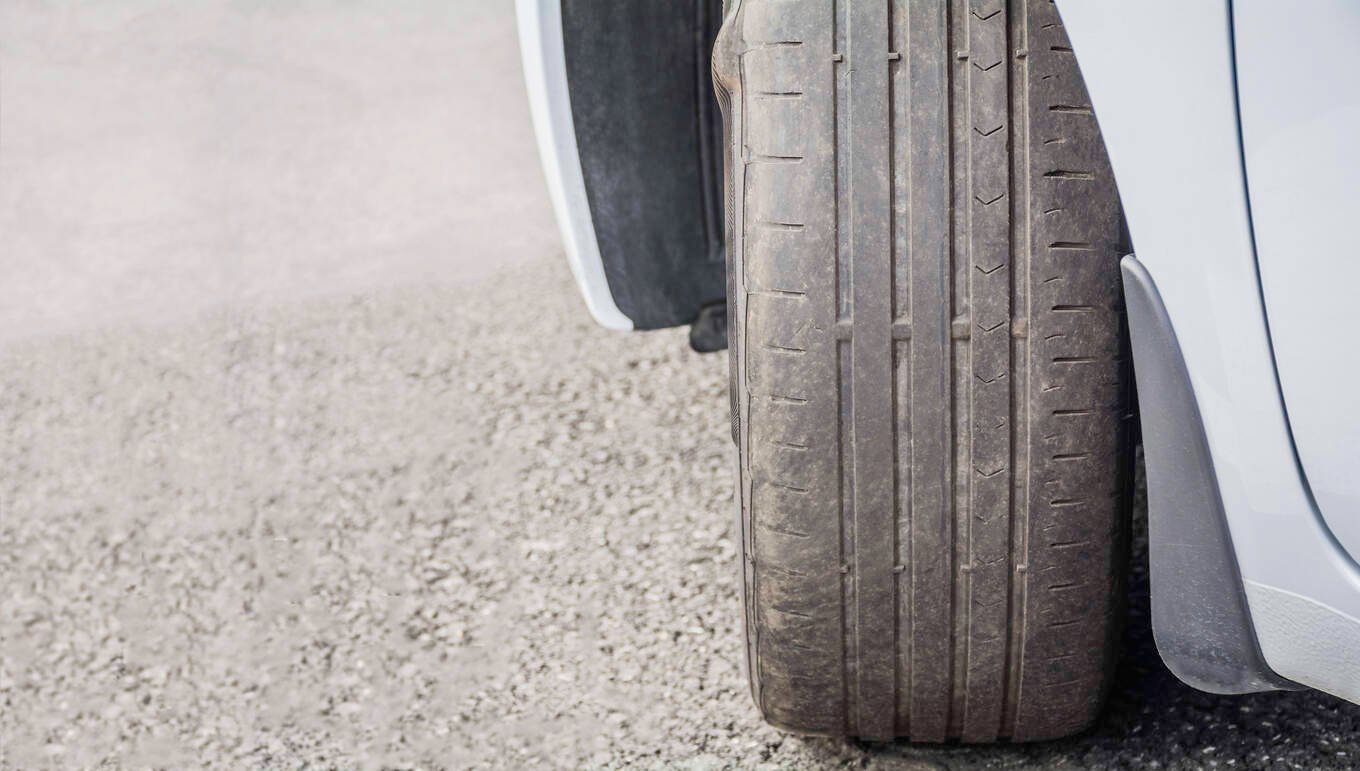
One of the most frequent reasons a car shakes at 60–70mph is unbalanced wheels. When tyres are fitted, small weights are added to ensure even weight distribution. If a weight falls off or balancing wasn’t done correctly, vibration develops at higher speeds.
At around 60mph, the imbalance becomes noticeable — and by 70mph, the shaking may feel much worse.
Symptoms of unbalanced wheels:
- Steering wheel vibration at high speed
- Shaking felt through the seat or floor
- Vibration that disappears at lower speeds
- Worse on smooth motorway surfaces
Fix:
Have your wheels professionally balanced at a reputable tyre centre. Wheel balancing is quick, inexpensive, and often solves high-speed shaking immediately.
2. Wheel Alignment Problems
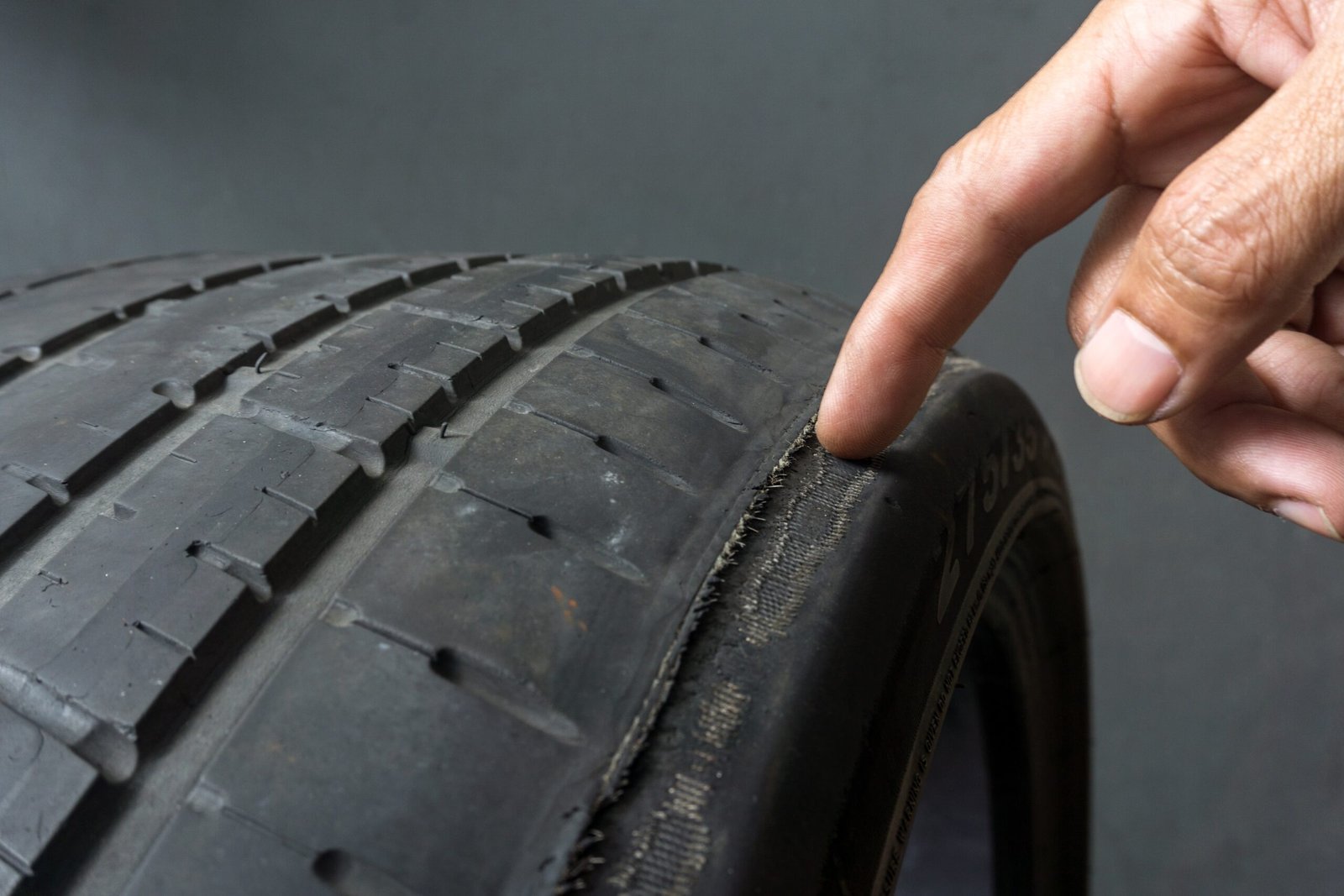
If your car shakes at motorway speeds and also pulls slightly left or right, poor wheel alignment could be the culprit.
Wheel alignment refers to how your wheels sit relative to each other and the road. When alignment is off, tyres wear unevenly and the vehicle becomes unstable at higher speeds.
Symptoms of bad wheel alignment:
- Car drifting to one side
- Steering wheel not centred
- Uneven or rapid tyre wear
- Slight vibration combined with poor handling
Fix:
Book a professional wheel alignment service (sometimes called tracking). It’s especially important after hitting potholes, kerbs, or replacing suspension components.
3. Tyre Problems (Damage or Uneven Wear)
Your tyres are the only contact between your car and the road. Even small defects can cause noticeable vibration at 60–70mph.
Common tyre-related causes of car shaking include:
- Uneven tread wear
- Flat spots (common if the car has been parked for a long time)
- Bulges or internal tyre damage
- Incorrect tyre pressure
Symptoms of tyre-related vibration:
- Steering wheel wobble
- Thumping noise while driving
- Visible uneven tread wear
- Vibration that worsens as speed increases
Fix:
Inspect all tyres carefully. Replace any tyre with sidewall damage, bulges, or severe uneven wear. Rotate tyres regularly to prevent future issues.
4. Warped Brake Discs
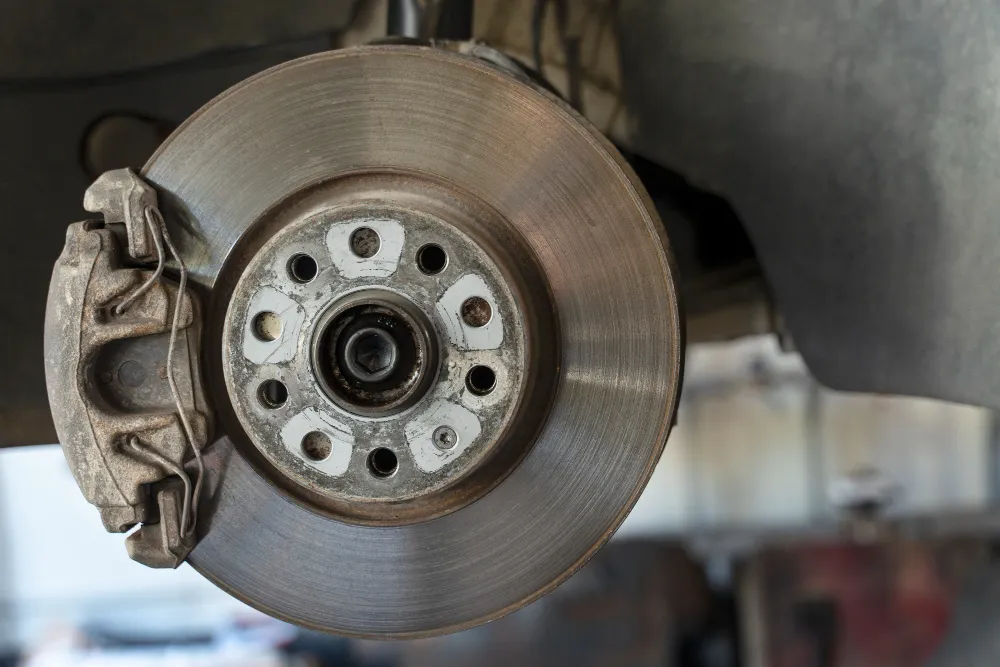
Although warped brake discs usually cause vibration when braking, in some cases they can contribute to shaking at higher speeds — particularly if the discs are severely worn.
Symptoms of warped brake discs:
- Steering wheel shaking when braking from 60mph+
- Pulsating brake pedal
- Vibration that increases under braking
Fix:
Brake discs may need resurfacing or replacing. Always inspect brake pads at the same time.
5. Worn Suspension or Steering Components
If your car vibrates at high speed and feels unstable, worn suspension or steering parts may be to blame.
Components such as:
- Ball joints
- Tie rod ends
- Suspension bushings
- Control arms
- Shock absorbers
can develop play over time. At motorway speeds, this looseness translates into vibration and poor handling.
Symptoms of suspension-related shaking:
- Clunking noises over bumps
- Steering feels loose or vague
- Shaking felt through the seat
- Uneven tyre wear
Fix:
Have a mechanic perform a full suspension and steering inspection. Replacing worn components restores stability and eliminates vibration.
6. Driveshaft or CV Joint Issues
If your car shakes when accelerating at 60–70mph, particularly in front-wheel-drive or all-wheel-drive vehicles, the issue could be a worn CV joint or bent driveshaft.
These components transfer power from the gearbox to the wheels. When worn or damaged, they create rotational imbalance.
Symptoms of CV joint or driveshaft problems:
- Vibration increases under acceleration
- Clicking noise when turning
- Shuddering at motorway speeds
Fix:
Faulty CV joints or damaged driveshafts must be replaced. Ignoring the issue can lead to complete drivetrain failure.
7. Engine or Transmission Problems
Although less common, engine misfires or transmission issues can cause shaking at specific speeds.
If your vehicle vibrates and you notice reduced power, rough running, or warning lights, the issue may not be wheel-related at all.
Symptoms of engine-related vibration:
- Check engine light illuminated
- Rough idle or hesitation
- Loss of power at higher speeds
- Shaking that feels like engine struggling
Fix:
Use an OBD2 scanner to check for fault codes. Engine misfires, ignition coil failure, or transmission faults require proper diagnostic work.
How to Diagnose Car Shaking at 60–70mph
If your car shakes at highway speeds, follow this step-by-step approach before replacing parts unnecessarily.
Step 1: Perform a Visual Tyre Inspection
Start with the basics:
- Check for uneven tread wear
- Look for bulges or cracks
- Confirm tyre pressures match manufacturer specifications
Tyre pressure that is too low or uneven can cause motorway vibration.
Step 2: Check Wheel Balance
If the vibration only happens at 60–70mph and disappears below 50mph, wheel balancing is highly likely the issue.
Book a wheel balancing check — it’s one of the quickest and most affordable solutions.
Step 3: Assess Wheel Alignment
Drive on a straight road and briefly loosen your grip on the steering wheel (safely).
- Does the car pull left or right?
- Is the steering wheel slightly crooked?
If yes, book a wheel alignment.
Step 4: Inspect Suspension & Steering
If shaking feels more like instability rather than vibration, worn suspension components may be responsible.
Have a garage lift the vehicle and check:
- Ball joints
- Tie rods
- Bushings
- Control arms
Step 5: Perform a Brake Test
At around 60–70mph, gently apply the brakes.
- Does the steering wheel pulse?
- Does the brake pedal vibrate?
If so, warped brake discs are likely the cause.
Step 6: Scan for Engine or Transmission Faults
If the shaking is accompanied by warning lights or rough performance, connect an OBD2 scanner.
Look for:
- Misfire codes
- Ignition coil faults
- Transmission error codes
Engine-related vibration requires mechanical diagnosis rather than tyre or suspension work.
Fixes to Stop Your Car Shaking at 60–70mph
| Problem | Recommended Fix |
|---|---|
| Unbalanced Wheels | Professional wheel balancing |
| Wheel Misalignment | Full wheel alignment |
| Tyre Damage | Rotate or replace tyres |
| Warped Brake Discs | Resurface or replace discs |
| Worn Suspension Parts | Replace bushings, ball joints, tie rods |
| CV Joint / Driveshaft | Replace damaged CV joints or driveshaft |
| Engine Misfire | Diagnose and repair engine cylinders |
| Transmission Issues | Mechanic inspection and repair |
Tips to Prevent High-Speed Shaking
- Regular Tyre Maintenance: Rotate tyres every 6,000–8,000 miles.
- Check Tyre Pressure: Low or uneven pressure increases vibration.
- Suspension Checks: Inspect bushings, shocks, and ball joints annually.
- Brake Care: Replace worn brake discs and pads on schedule.
- Wheel Alignment: Check alignment after suspension repairs or tyre changes.
Frequently Asked Questions (FAQ)
Q1: Is it safe to drive a car that shakes at 60–70mph?
A: No. High-speed shaking can indicate tyre, suspension, or brake issues. It’s best to diagnose and fix the problem before driving long distances.
Q2: Can wheel balancing really stop my car from shaking?
A: Yes. Unbalanced tyres are one of the most common causes of vibration at highway speeds. Balancing is a quick and inexpensive fix.
Q3: How much does it cost to fix a car shaking at high speeds?
A: Costs vary: wheel balancing (£20–£50 per wheel), alignment (£50–£100), suspension repairs (£100–£500+), brake discs (£100–£300). Complex engine or transmission issues can cost more.
Q4: Could a warped brake disc cause shaking even without braking?
A: Usually, warping is felt when braking. If shaking occurs without braking, it’s more likely tyres, suspension, or CV joints.
Q5: How do I know if it’s a suspension or tyre problem?
A: Check if the vibration occurs only at certain speeds (tyres/wheel balance) or is accompanied by noises and poor handling (suspension/steering components).