Car detailing helps keep your vehicle’s interior in great shape, especially after severe weather or if you’re preparing for a sale. Seats that got soaked in a storm can harbor deep-seated odors, while stubborn stains can turn off potential buyers. Detailing can take several hours or days, depending on the vehicle’s condition. If you’d rather keep your daily driver in your garage and save on service fees, follow these steps to detail it like a professional.
1. Gather Detailing Tools and Supplies

The right tools and supplies make the difference between a DIY and professional-level car detailing. Ensure you have the following before starting:
- Vacuum: Invest in one with different attachments to reach tight and awkward spaces.
- Brushes: Find types that suit your car’s upholstery, carpets and hard-to-reach areas.
- Microfiber cloths: Get these in different colors for different uses. For example, use blue cloths for glass and yellow ones for upholstery.
Choose cleaning supplies designed for your interior’s materials. Search for the Environmental Protection Agency’s Safer Choice label when shopping for cleaning solutions. It indicates that a product is safe for both humans and the environment, which means it has fast biodegradability, low aquatic toxicity and sustainable packaging while also providing respiratory protection.
2. Conduct Initial Cleaning Steps
Start by emptying all storage compartments. Create separate piles for items to keep, recycle and throw away to stay organized. Once the compartments are vacant, vacuum them thoroughly from the top down.
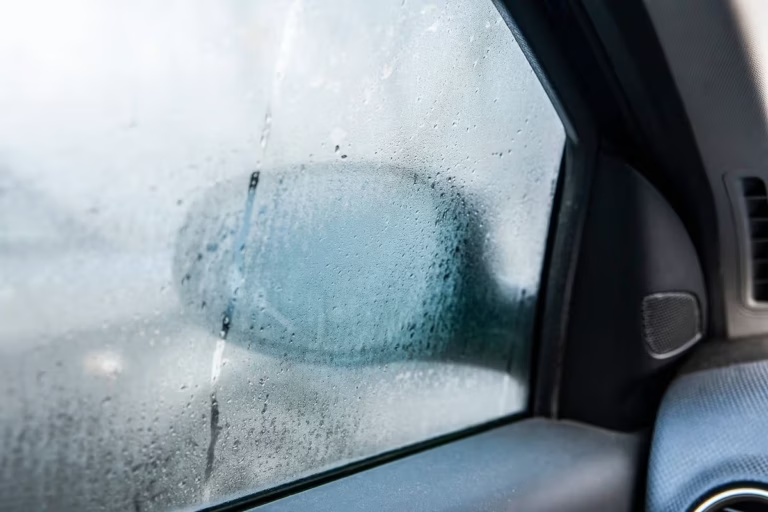
Use an upholstery tool with short bristles to agitate dirt from fabric and carpet surfaces, and then use a crevice device to reach under seats and into corners. Ensuring you get rid of all the dust, dirt and other pollutants will improve your cabin’s air quality, as these particles can build up and cause various health concerns. Leave the windows open for several minutes after vacuuming to allow moisture to dissipate.
3. Deep Clean Your Upholstery

Leather upholstery requires special care to avoid drying and cracking, while fabric seats are more forgiving but also more prone to stains and odors. They have different deep cleaning processes.
How to Clean Fabric Upholstery
First, remove loose dirt and debris with a vacuum. To get deep-seated dirt and dust, use an upholstery tool to agitate the surface. Then, spot-clean stains with the appropriate cleaners. For example, a warm water and dish soap solution is often effective for greasy stains.
If you’re using car shampoo, choose one with the right pH level to prevent fabric seat fading and reduce the need for damage corrections. Once your seats are clean and stain-free, use a handheld steamer or upholstery cleaner for an all-around deep clean. Apply the cleaner, agitate it with a brush, then wipe with a microfiber cloth. Don’t soak the seats, which can lead to mold and mildew. To protect your fresh seats from moisture, apply a fabric protector afterward.
How to Clean Leather Upholstery
Use products specifically designed for your leather upholstery, as they have cleaning and moisturizing properties to prevent dryness. If you’re using a new solution, apply a small amount in a corner or discreet area, then inspect the results on the surface.
Apply the cleaner with a cloth and work in sections to avoid saturation. Finish with a leather conditioner to restore moisture and shine to your leather upholstery.
4. Clean the Interior’s Surfaces
Once your seats are clean, focus on your cabin’s dashboards, consoles and door panels. For hard materials, a nontoxic, all-purpose cleaner is usually enough to remove grime. Spray the solution onto a cloth to avoid overusing it, then rub the surfaces clean. Use a soft brush or cloth to reach into crevices where dirt accumulates.
For windows and mirrors, use an ammonia-free glass cleaner to avoid tint damage. If you prefer a natural alternative, distilled water combined with vinegar usually works, but spot-check in a corner before applying it to the entire surface. To finish, use a dry piece of crumpled newspaper to remove any lingering streaks and absorb excess moisture.
A Professional Touch for Your Vehicle
Restoring your car’s interior to like-new condition doesn’t have to break the bank. The key is to meticulously implement the right detailing steps for its features. Set a routine schedule once you have an established process, such as a full detail every six months and a monthly light cleaning. Stay on top of your cabin’s maintenance to ensure it stays a clean and healthy environment for everyone aboard.