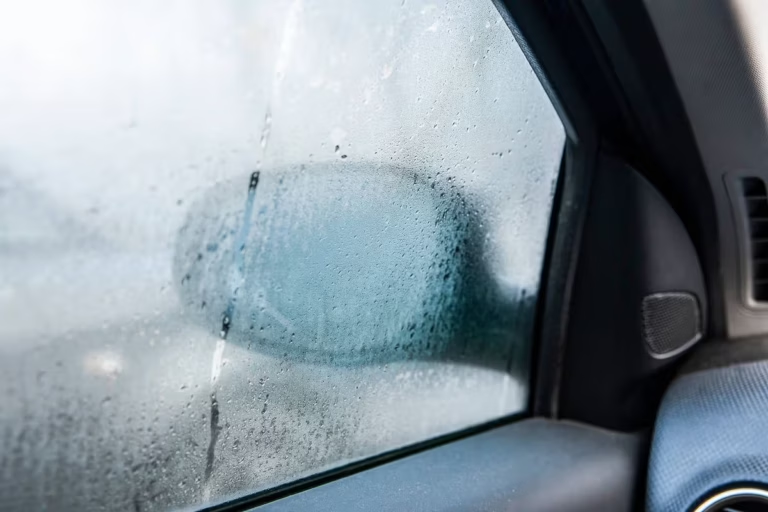
Cold winter mornings can be frustrating, especially when you turn the key or press the start button and nothing happens. If your car won’t start in cold weather, the problem is often a weak battery, although several other faults can prevent an engine from starting.
The good news is that many cold-weather starting problems are relatively straightforward to diagnose. Here’s what to check, what you can safely try yourself and when it’s time to call a mechanic.
1. Weak or Flat Car Battery
A weak battery is one of the most common reasons a car won’t start in cold weather. Low temperatures reduce a battery’s ability to deliver power, while the engine can require more effort to turn over.
Common warning signs include slow engine cranking, clicking noises when starting, dim dashboard lights or electrical systems failing to switch on.
What you can do:
- Try jump-starting the vehicle using the correct procedure in your owner’s manual.
- Check the battery terminals for corrosion or loose connections.
- Have the battery and charging system tested.
- Consider replacing an ageing battery if testing confirms it’s weak.
Car batteries commonly last around three to five years, although their lifespan depends on usage and maintenance.
2. Faulty Starter Motor
If your dashboard lights illuminate but the engine doesn’t turn over, the starter motor could be responsible.
Cold temperatures can make an existing starter motor fault more noticeable, particularly if the internal components are already worn.
You might hear a single click when attempting to start the engine, or nothing at all.
What you can do: Check that the battery is sufficiently charged before assuming the starter motor has failed. If the battery tests healthy and the engine still won’t crank, a mechanic should inspect the starter motor and associated wiring.
3. Diesel Fuel Problems in Freezing Weather
Diesel vehicles can experience additional starting difficulties during extremely cold conditions.
At sufficiently low temperatures, diesel fuel can begin forming wax crystals that restrict fuel flow through the filter. This is sometimes called diesel gelling.
UK forecourt diesel is seasonally adjusted to cope with typical winter temperatures, so this is less likely during ordinary British winter weather.
What you can do: If you suspect frozen or waxed diesel fuel, move the vehicle somewhere warmer if possible and seek professional assistance. Never use a naked flame or direct heat on the fuel system.
4. Worn Spark Plugs or Ignition Problems
Petrol engines rely on spark plugs to ignite the air-fuel mixture. Worn spark plugs or failing ignition coils can make starting more difficult, especially when temperatures drop.
Symptoms can include prolonged cranking, rough running after starting, engine misfires or an illuminated engine management light.
What you can do: Check when the spark plugs were last replaced and follow the manufacturer’s recommended maintenance schedule. Persistent misfires should be investigated rather than ignored.
5. Thick Engine Oil
Engine oil becomes thicker as temperatures fall, increasing resistance when the engine first turns over.
Using an oil grade that isn’t suitable for your vehicle or operating conditions can make cold starting more difficult.
What you can do: Check your owner’s manual and use engine oil that meets the manufacturer’s specified viscosity and approval requirements. Don’t switch to thinner oil without confirming it’s suitable for your engine.
What Should You Do If Your Car Won’t Start?
Before calling roadside assistance, there are a few simple checks worth making.
- Switch off electrical accessories. Turn off the headlights, heated windows and other unnecessary electrical equipment.
- Listen when starting. Rapid clicking or slow cranking often suggests a battery-related problem, while normal cranking without starting points towards another fault.
- Check the dashboard. Look for battery, immobiliser or engine warning messages.
- Try a jump-start if appropriate. Follow the manufacturer’s instructions and use suitable equipment.
- Avoid repeated starting attempts. Follow the recommended cranking limits in your handbook to prevent overheating the starter motor or further draining the battery.
If your engine still refuses to start, professional diagnosis is usually the safest next step.
How to Prevent Cold-Weather Starting Problems
A little preparation before winter can reduce the chances of being stranded on a freezing morning.
Have your battery tested before temperatures drop, particularly if it’s several years old. Keep up with routine servicing, use the correct engine oil and make sure your charging system is working properly.
Regular journeys that allow the battery to recharge can also help, although longer driving won’t restore a failing battery.
If your car repeatedly struggles to start during cold weather, don’t wait until it stops working completely. Identifying the underlying problem early could save you an inconvenient breakdown and an expensive recovery bill.