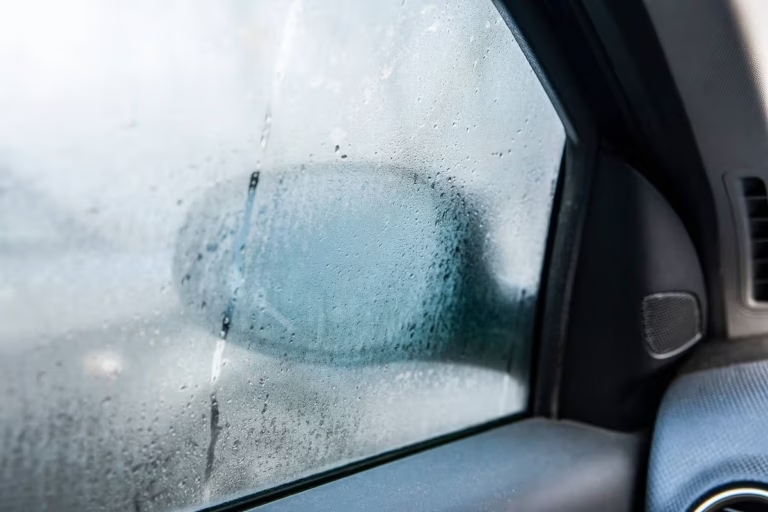
Waking up to find your car windows frozen on the inside can be frustrating, especially when you’re already running late on a cold winter morning. While ice on the outside of your windscreen is normal during freezing weather, frost forming inside your car is usually a sign that excess moisture has become trapped in the cabin.
It’s a common problem during British winters, particularly when temperatures drop below freezing overnight. Fortunately, there are several straightforward ways to remove the ice, identify what’s causing it and prevent it from returning.
Why Do Car Windows Freeze on the Inside?
Interior window frost forms when moisture in the cabin settles on cold glass and freezes. During winter, the temperature of your windscreen and side windows can fall below 0°C, allowing water vapour to turn into frost.
Unlike exterior ice, which is caused by weather conditions, frost inside your car generally indicates a build-up of humidity.
Several everyday factors can contribute to the problem.
1. Wet Carpets and Floor Mats
One of the most common causes is moisture brought into the vehicle on shoes and clothing.
Rainwater, snow and mud can soak into carpets and floor mats. As the cabin warms during driving, that moisture evaporates into the air. When the car cools overnight, it can condense on the windows and eventually freeze.
Rubber floor mats can help prevent water from soaking into the carpet underneath.
2. A Blocked or Dirty Cabin Filter
Your car’s cabin filter, sometimes called the pollen filter, helps keep dust and debris out of the ventilation system.
If the filter becomes heavily clogged, airflow through the heating and ventilation system can be reduced, making it harder to clear moisture from the windows.
Replacing a dirty cabin filter may improve demisting performance, although it won’t necessarily solve an underlying water leak.
3. Water Leaking Into the Car
If your windows repeatedly freeze on the inside, particularly after heavy rainfall, water could be entering the cabin.
Common areas worth checking include:
- Damaged door and window seals
- Blocked sunroof drainage channels
- Leaking windscreen seals
- Blocked drainage areas beneath the windscreen
- Water collecting beneath the carpets
A persistent musty smell, damp upholstery or unusually wet footwells can indicate a leak that needs investigating.
4. Using Air Recirculation Too Often
Most modern cars have an air recirculation setting that prevents outside air from entering the cabin.
While useful in certain situations, leaving recirculation switched on for extended periods can trap humid air inside the vehicle.
Moisture from passengers’ breathing, wet clothing and damp carpets can then accumulate, increasing the likelihood of condensation and frost.
Switching to fresh-air mode generally helps the ventilation system remove humidity more effectively.
How to Remove Ice From the Inside of Your Car Windows
If you discover frozen windows inside your vehicle, the safest approach is to remove the ice gradually without damaging the glass or interior.
Step 1: Start the Engine and Use the Windscreen Demister
Start the engine where it is safe and legal to do so, then direct the ventilation system towards the windscreen.
Select warm airflow and increase the fan speed as the heating system begins producing heat.
If your vehicle has a heated windscreen, activate it to help clear the ice.
Never leave the engine running unattended, and don’t run it in an enclosed garage because of the risk of carbon monoxide poisoning.
Step 2: Switch On the Air Conditioning
Air conditioning isn’t just useful during summer. It can also help remove moisture from the air inside your vehicle.
With the heating and air conditioning operating together, the system can deliver warmer, drier air to the windscreen.
Many modern cars automatically activate the air conditioning when the front demister is selected, although operation can vary depending on temperature and vehicle design.
Step 3: Turn Off Air Recirculation
Select fresh-air mode rather than continuously recirculating the damp air already inside the cabin.
This can help reduce humidity and improve the effectiveness of the demisting system.
Step 4: Remove Any Remaining Moisture
Once the ice has melted, use a clean microfibre cloth to remove excess water from the inside of the glass.
Avoid allowing the water to run down onto the dashboard or carpets, as this simply introduces more moisture into the vehicle.
Never pour boiling water onto frozen car windows. Sudden temperature changes can damage glass, and hot water may also damage interior trim.
Avoid aggressively scraping interior glass, particularly around heated elements, window films or other delicate surfaces.
How to Stop Car Windows Freezing on the Inside
Preventing interior frost is largely about keeping the cabin dry.
Dry out wet carpets
Remove damp mats and allow them to dry thoroughly. Check the carpet underneath for trapped moisture.
Use the air conditioning regularly
Running the air conditioning alongside the heater can help reduce cabin humidity when conditions allow.
Keep the windows clean
Dirt and greasy deposits can make condensation more noticeable. Clean the interior glass with a suitable automotive glass cleaner.
Consider a car dehumidifier
A reusable moisture absorber can help reduce humidity while the vehicle is parked, although it won’t repair a leak.
Check for water leaks
Inspect door seals, drainage channels and footwells if condensation or interior frost keeps returning.
Could Frozen Windows Indicate a Heater Matrix Problem?
In some cases, excessive moisture inside a vehicle can be caused by a leaking heater matrix.
The heater matrix uses hot engine coolant to warm the cabin. If it develops a leak, coolant may enter the interior, creating persistent misting and dampness.
Warning signs can include a sweet smell inside the vehicle, greasy residue on the windscreen, unexplained coolant loss or damp carpets near the dashboard.
If you notice these symptoms, have the cooling and heating systems inspected by a qualified mechanic. A coolant leak should not be ignored, as it can eventually lead to engine overheating.
Is It Safe to Drive With Frost Inside the Windscreen?
No. Driving with ice, frost or condensation obstructing your view is dangerous and can result in prosecution.
Under Rule 229 of the UK Highway Code, drivers must ensure their windows are clear of ice and snow before setting off.
Your windscreen and other windows must provide a sufficiently clear view of the road, so always fully demist and defrost them before driving.
Final Thoughts
Car windows freezing on the inside are usually caused by excess moisture trapped within the cabin. Wet carpets, poor ventilation and water leaks are among the most common culprits.
Although using your heater, air conditioning and demister can clear the ice, preventing it from returning means addressing the source of the moisture.
If your car regularly develops interior frost despite keeping the cabin dry, it’s worth checking for hidden leaks or ventilation problems before they lead to more expensive repairs.
For further winter driving advice, read our guide on how to stop car windows steaming up.