


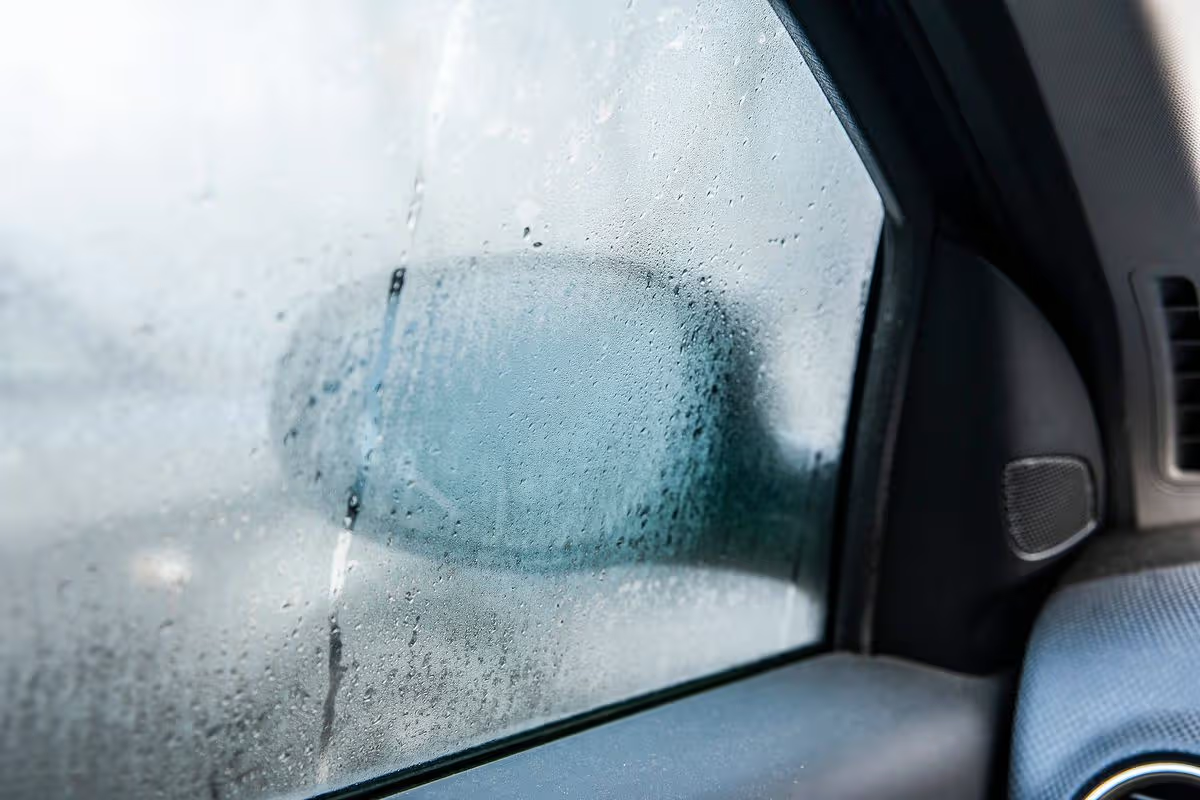
Steamed-up car windows are a common problem during winter, particularly on cold, damp mornings. Not only are they frustrating when you’re trying to leave for work, but they can also seriously reduce visibility and make driving dangerous.
If you’re wondering how to stop car windows steaming up, the good news is that a few simple changes can help clear condensation quickly and prevent it from returning.
Why Do Car Windows Steam Up in Winter?
Condensation forms when warm, moisture-filled air inside your car meets the cold surface of the windows. The moisture turns into tiny water droplets, creating the familiar misty appearance on the glass.
Wet shoes, damp clothing, breathing and moisture trapped in carpets can all contribute to the problem.
The colder the windows and the more humid the cabin, the more likely condensation becomes.
1. Use Your Air Conditioning
One of the quickest ways to demist car windows is to switch on the air conditioning, even during winter.
Your car’s air conditioning system helps remove moisture from the cabin air, making it easier to clear condensation.
Try these settings:
- Turn on the air conditioning (A/C).
- Set the temperature to warm.
- Direct airflow towards the windscreen.
- Increase the fan speed.
- Switch off air recirculation.
Many modern cars have a dedicated front windscreen demisting button that automatically adjusts these settings.
Remember that some air conditioning systems won’t operate at very low outside temperatures.
2. Turn Off Air Recirculation
Leaving air recirculation switched on can make condensation worse.
This setting repeatedly circulates air already inside the vehicle, allowing moisture from passengers and damp clothing to build up.
Switching to fresh outside air helps remove humid cabin air and can make a noticeable difference when demisting the windows.
3. Remove Moisture From Your Car
If your windows constantly steam up, excess moisture inside the vehicle could be responsible.
Wet floor mats, leaking door seals and damp carpets can all increase humidity.
Check underneath your floor mats for moisture, especially after heavy rain. Remove wet items, dry damp carpets thoroughly and investigate any signs of water entering the cabin.
Rubber floor mats can also be useful during winter because they’re easier to remove and dry.
4. Clean the Inside of Your Windows
Dirty glass can make condensation more noticeable because moisture collects around grease, dust and residue.
Use a suitable automotive glass cleaner and a clean microfibre cloth to remove the film that builds up on the inside of your windows.
Avoid household cleaning products that could damage window tint films or interior surfaces.
Keeping the glass clean won’t eliminate humidity, but it can make demisting easier and improve visibility.
5. Check Your Cabin Air Filter
A blocked cabin air filter, sometimes called a pollen filter, can restrict airflow through the heating and ventilation system.
If the airflow from your vents seems weak, a dirty filter could be contributing to slow demisting.
Check your vehicle’s servicing schedule and replace the filter when necessary. A fresh cabin filter can help restore normal ventilation performance.
6. Use a Car Dehumidifier
Reusable car dehumidifier bags can help absorb excess moisture while your vehicle is parked.
They’re particularly useful for cars that spend long periods outside during cold, damp weather.
Place a suitable automotive moisture absorber somewhere secure inside the cabin, following the manufacturer’s instructions.
However, dehumidifiers won’t solve an underlying water leak. If your carpets are repeatedly getting wet, finding the source of the moisture should be your priority.
How to Demist Your Windscreen Quickly
If your windscreen is completely misted up on a cold morning, follow these steps before setting off:
- Start the engine and activate the front windscreen demister.
- Switch on the air conditioning if available.
- Select warm air and a high fan speed.
- Turn off air recirculation.
- Wait until the windscreen and other windows are completely clear.
If necessary, use a clean microfibre cloth to remove any remaining condensation while the vehicle is stationary.
Never drive with a partially obscured windscreen. In the UK, drivers must maintain a clear view of the road through their windows.
Why Are My Car Windows Steaming Up Overnight?
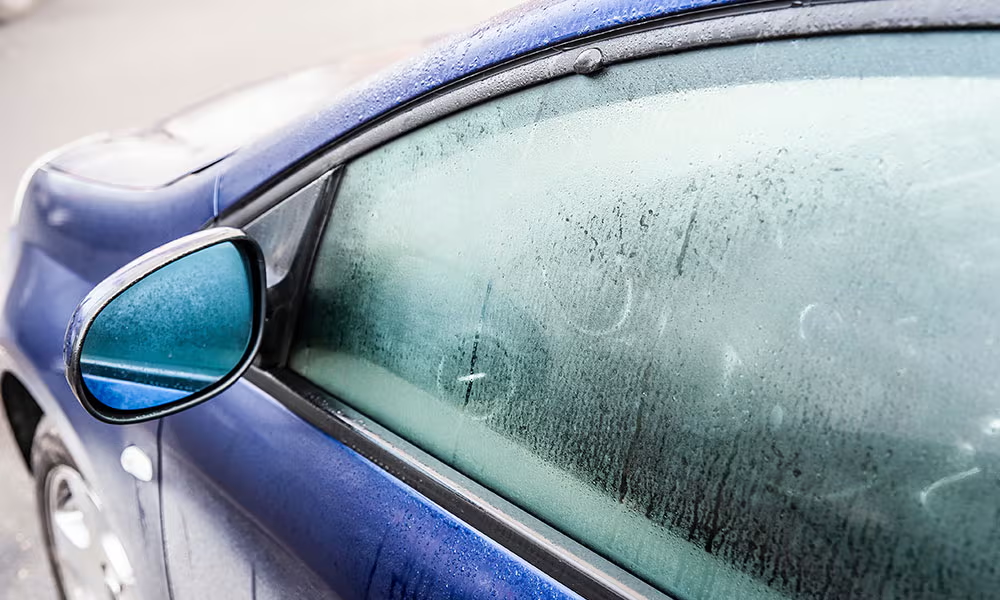
If your windows are heavily misted every morning, even when nobody has been inside the car, there may be trapped moisture in the cabin.
Common causes include wet carpets, blocked drainage channels, damaged door seals or water entering around the windscreen.
In more serious cases, a leaking heater matrix can introduce moisture into the cabin. Warning signs may include a sweet smell, greasy condensation on the glass or unexplained coolant loss.
If you notice these symptoms, have the cooling and heating systems inspected by a qualified mechanic.
How to Prevent Car Windows Steaming Up
Preventing condensation is usually easier than dealing with heavily misted windows every morning.
Keep your car interior dry, remove wet clothing and floor mats, clean the glass regularly and use fresh-air ventilation whenever practical.
Most importantly, make sure your heating and air conditioning systems are working correctly.
A few minutes of winter maintenance can help keep your windows clear, improve visibility and make cold-weather journeys considerably less frustrating.


