Hearing a grinding noise when you press the brake pedal is never reassuring. Whether it’s a harsh metal-on-metal sound, a scraping noise at low speeds or something that only happens when you’re coming to a stop, it’s a warning sign worth investigating.
Sometimes, the cause is relatively harmless, such as surface rust on the brake discs after a car has been parked overnight. In other cases, grinding brakes can indicate severely worn brake pads, damaged discs or a sticking brake caliper.
The important thing is understanding what’s causing the noise before it develops into a more expensive or potentially dangerous problem.
Here’s what you need to know about grinding noises when braking, the symptoms to look out for and what repairs might cost in the UK.
1. Worn Brake Pads
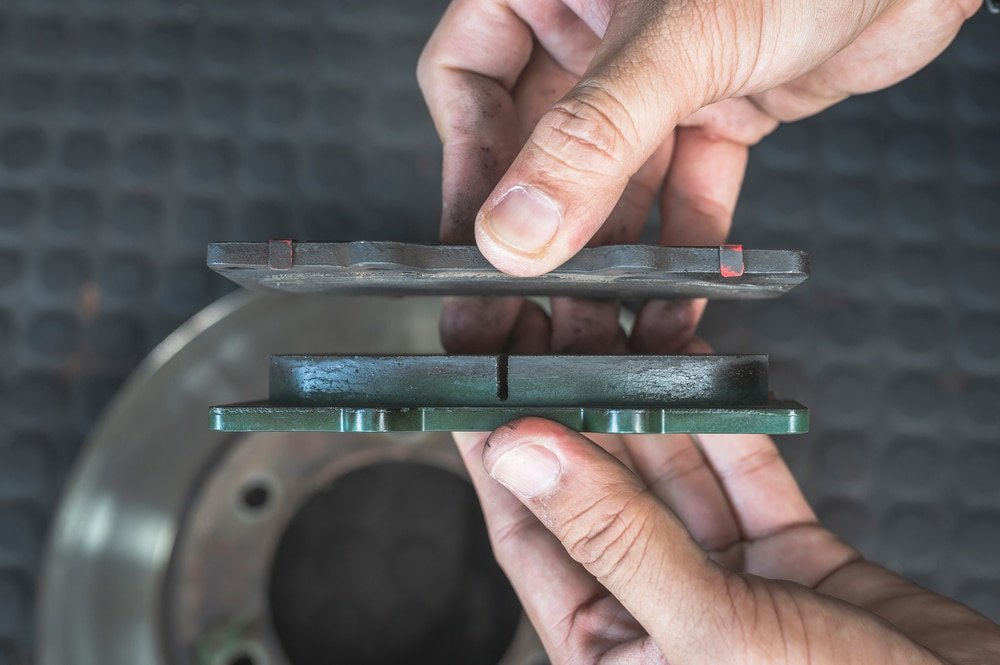
One of the most common causes of grinding brakes is worn brake pads.
Brake pads contain friction material designed to press against the brake discs and slow the vehicle down. As the pads wear, this material gradually becomes thinner.
If the friction material wears away completely, the metal backing plate can come into contact with the brake disc.
This creates a harsh grinding noise and can quickly damage the disc surface.
You might also notice reduced braking performance, vibrations or a scraping noise that becomes louder when pressing the pedal.
What to do: Have the brake pads and discs inspected as soon as possible. If the pads have worn down to the backing plates, the discs may also need replacing.
Don’t continue driving with suspected metal-on-metal brake contact. Arrange professional assistance rather than risking further damage or reduced braking ability.
2. Rust on the Brake Discs
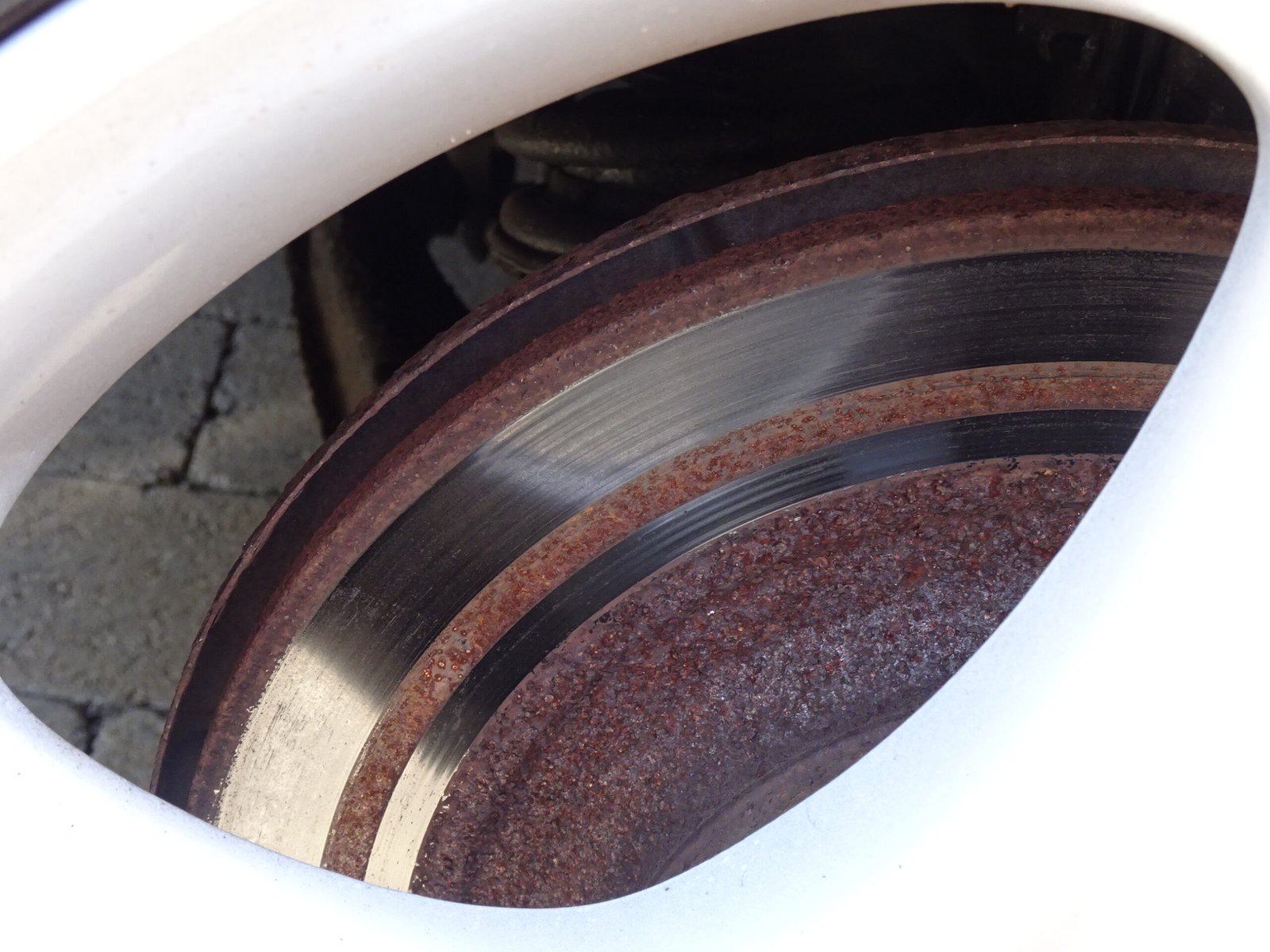
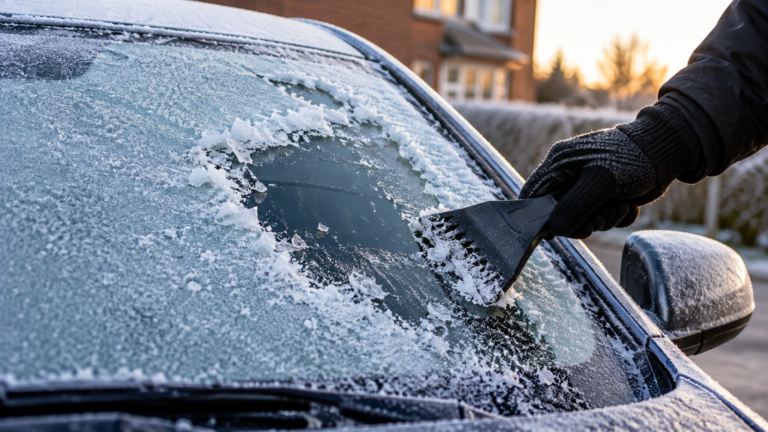
If your brakes grind briefly when you first drive away in the morning, surface rust could be responsible.
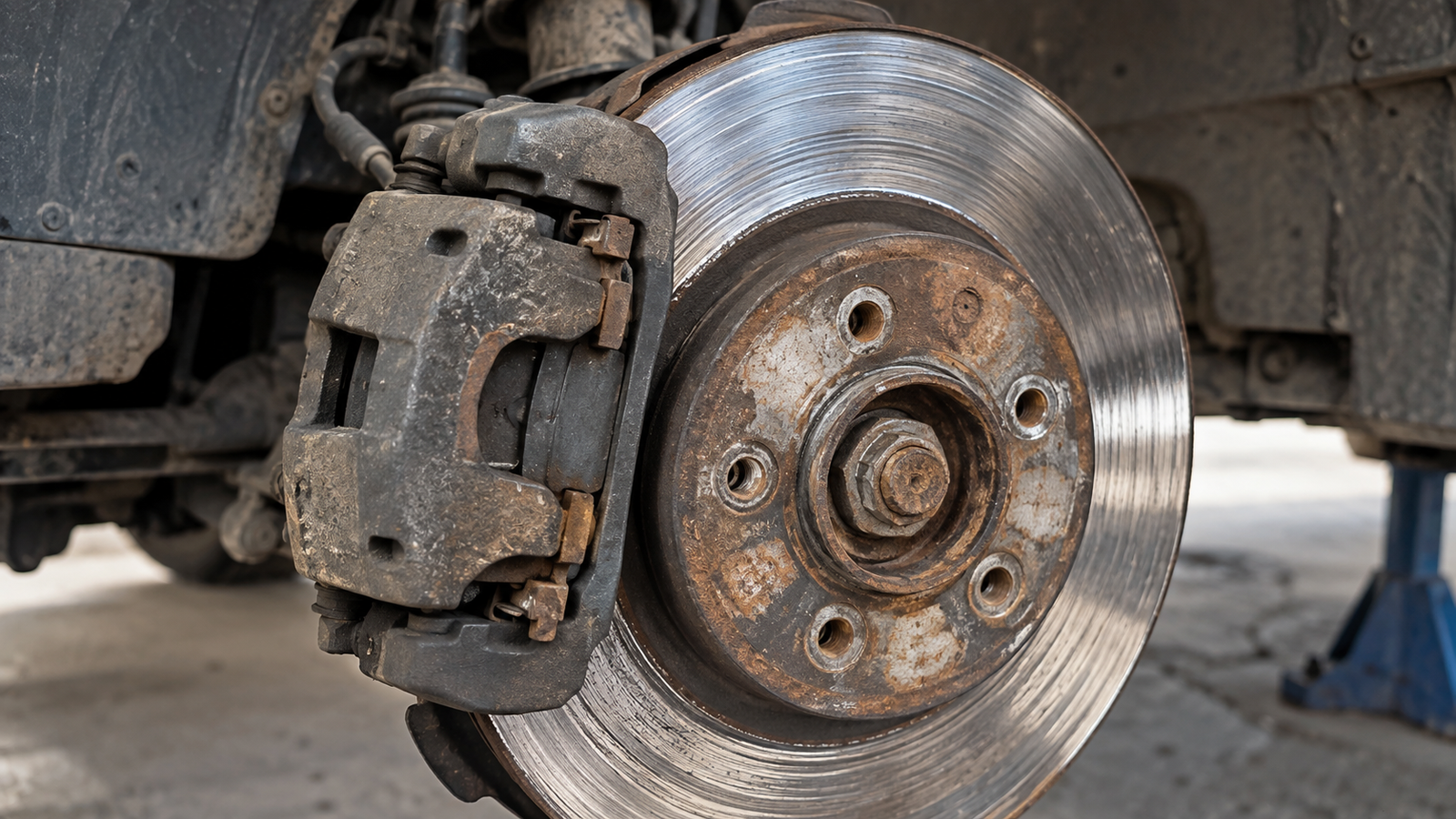
Most conventional brake discs are made from cast iron, which can develop a thin layer of rust when exposed to moisture.
This is particularly common after heavy rain, washing the car or leaving it parked for several days.
When the brake pads first contact the rusty disc surface, you may hear a light scraping or grinding sound.
In many cases, the noise disappears after a few normal braking applications as the surface rust is removed.
However, there is a difference between light surface corrosion and heavily rusted brake discs.
If the grinding continues, the discs are deeply pitted or braking performance feels unusual, have the brakes inspected.
What to do: Brief, light scraping that disappears during normal braking may simply be surface rust. Persistent or severe grinding needs investigation.
3. Damaged or Heavily Worn Brake Discs
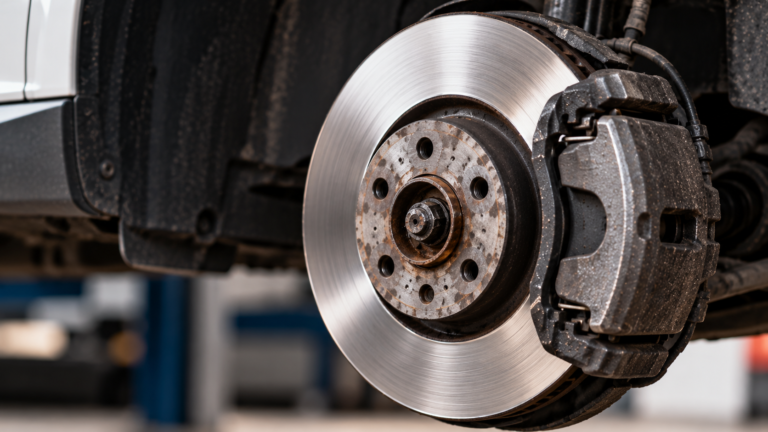
Brake discs don’t last forever.
Over time, they can develop grooves, corrosion, uneven wear or damage caused by worn brake pads.
If a disc becomes heavily scored, the brake pads may no longer contact its surface evenly, potentially causing grinding, scraping or vibration.
A disc can also become too thin for safe continued use.
Every vehicle has a manufacturer-specified minimum brake disc thickness. Once a disc reaches that limit, it must be replaced.
Common signs of damaged discs include grinding under braking, a pulsing brake pedal, vibration and visible scoring.
However, vibration isn’t always caused by a warped disc. Uneven friction deposits, disc thickness variation and other braking faults can produce similar symptoms.
What to do: A garage can inspect the discs, measure their thickness and check for damage. Brake discs are normally replaced in axle pairs, with suitable new pads fitted where required.
4. A Stone Trapped Behind the Brake Disc
Not every grinding noise comes from worn brake components.
Small stones and road debris can occasionally become trapped between the brake disc and its protective backing plate, sometimes called the dust shield.
This can produce a surprisingly loud metallic scraping noise.
The sound may be present even when you’re not pressing the brake pedal, and it can change as the wheel rotates.
It may start suddenly after driving along a gravel road, through roadworks or over loose debris.
What to do: Have the affected wheel and brake assembly inspected. A trapped stone can sometimes be removed easily, but don’t put your hands near moving brake components or attempt to reach behind a rotating wheel.
If the noise is severe or the wheel appears to be binding, stop driving and arrange assistance.
5. Sticking Brake Caliper
A brake caliper houses the brake pads and applies pressure to the disc when you press the brake pedal.
If the caliper piston or sliding mechanism becomes seized, the pads may not move or release correctly.
This can cause a brake pad to remain in contact with the disc even after you’ve released the pedal.
Over time, the affected pad can wear unevenly and the disc may become excessively hot.
Signs of a sticking brake caliper can include a grinding or scraping noise, the car pulling to one side, a burning smell or one wheel becoming noticeably hotter than the others.
You may also experience reduced fuel economy because the affected brake is creating additional resistance.
What to do: A sticking caliper needs proper inspection. Depending on the problem, repairs may involve cleaning and servicing the sliding mechanism, replacing damaged components or fitting a replacement caliper.
If you notice smoke, a strong burning smell or severe brake drag, stop somewhere safe and arrange recovery. Do not touch the wheel or brake components, as they may be extremely hot.
6. Worn Brake Pad Hardware
Brake pads are held in position by various clips, springs and retaining components.
These parts help keep the pads correctly located and prevent unwanted movement or vibration.
If retaining hardware becomes damaged, loose or incorrectly fitted, it can allow components to contact the brake disc or surrounding parts.
This may cause metallic scraping, rattling or grinding noises.
The problem can sometimes appear after brake replacement work if the wrong components were used or the hardware wasn’t installed correctly.
What to do: Have the brake assembly checked for missing, damaged or incorrectly installed retaining hardware.
Brake components must be fitted according to the vehicle manufacturer’s instructions.
7. Bent Brake Disc Dust Shield
Most vehicles have a thin metal shield positioned behind the brake disc.
Its purpose is to help protect nearby components from debris and heat.
Because the shield is relatively thin, it can become bent or corroded.
If it starts touching the rotating disc, it may create a constant metallic scraping noise that sounds similar to worn brakes.
The noise can sometimes change when turning a corner or driving over uneven surfaces.
Unlike worn brake pads, a dust shield problem may produce noise even when the brakes aren’t being applied.
What to do: A mechanic can inspect the shield and check for contact with the disc. Minor damage may be repairable, while a badly corroded or broken shield may require replacement.
8. Rear Drum Brake Problems
Although many modern cars use disc brakes at the front and rear, some vehicles still have rear drum brakes.
Drum brakes use curved brake shoes that press against the inside of a rotating drum.
If the friction material wears away, the metal shoe can contact the drum and create a grinding noise.
Other possible causes include damaged retaining springs, loose components, contamination or a seized mechanism.
Symptoms may include grinding from the rear wheels, poor braking performance or unusual noises when applying the parking brake.
What to do: The brake drum needs to be removed and the internal components inspected by a competent person. Worn or damaged parts should be replaced as necessary.
What Does the Grinding Noise Tell You?
The circumstances in which the noise occurs can help narrow down the cause.
| When the grinding happens | Possible cause |
|---|---|
| Every time you press the brake pedal | Worn pads or damaged discs |
| Only for the first few stops in the morning | Surface rust on the discs |
| Constantly while driving | Trapped debris, dust shield contact or dragging brakes |
| Mainly at low speeds | Worn pads, debris or brake hardware problems |
| After recent brake replacement | Incorrectly fitted hardware or another installation issue |
| Alongside a burning smell | Possible sticking caliper or overheating brake |
| From the rear when braking | Rear disc or drum brake fault |
These symptoms are useful clues, but they don’t confirm a diagnosis. Different faults can produce similar noises.
Is It Safe to Drive With Grinding Brakes?
A persistent grinding noise when braking should be treated as a potential safety issue.
If the noise is caused by brake pads that have worn down to their metal backing plates, continued driving can damage the discs and reduce braking effectiveness.
A sticking caliper can also cause excessive heat, potentially damaging the pads, discs and surrounding components.
If you experience any of the following symptoms, stop driving as soon as it’s safe and arrange professional assistance:
- Reduced braking performance or an unusually soft brake pedal.
- Severe grinding whenever the brakes are applied.
- The vehicle pulling strongly to one side.
- Smoke or a strong burning smell from a wheel.
- A brake warning light accompanied by abnormal braking behaviour.
Light scraping caused by surface rust may disappear after a few normal stops, but you shouldn’t assume that rust is responsible without considering the other symptoms.
If you’re unsure whether the brakes are safe, don’t drive the vehicle to test them. Arrange an inspection or recovery.
How Much Does It Cost to Fix Grinding Brakes in the UK?
The repair cost depends on the underlying fault, the vehicle and whether the brake discs have been damaged.
Here are some approximate UK garage prices for common repairs.
| Repair | Estimated UK cost |
|---|---|
| Brake inspection and diagnosis | £30–£80 |
| Front brake pad replacement | £80–£180 |
| Front brake discs and pads | £180–£400 |
| Rear brake discs and pads | £160–£350 |
| Brake caliper replacement | £150–£400+ |
| Brake dust shield replacement | £60–£200+ |
| Rear drum brake shoe replacement | £120–£300 |
These are illustrative estimates, not live garage quotations. Costs can be considerably higher for premium, performance or specialist vehicles.
Replacing worn pads before they damage the discs is generally much cheaper than leaving the problem until metal-to-metal contact occurs.
For that reason, investigating unusual brake noises early can save money as well as protect braking performance.
How to Check for Grinding Brake Problems
There are a few basic observations you can make without dismantling the braking system.
First, pay attention to when the noise occurs. Does it happen only when braking, or can you hear it while driving normally?
Next, consider whether the sound appeared suddenly or developed gradually.
A noise that starts after driving over loose gravel may suggest trapped debris, while grinding that has become progressively louder could indicate worn brake components.
You can also look through the wheel spokes, where visibility allows, for obvious disc scoring, heavy corrosion or damage.
However, a visual inspection through the wheel cannot reliably establish brake pad thickness or confirm that the system is safe.
A proper brake inspection may involve removing the wheels, checking pad thickness, measuring disc wear and examining the calipers and associated hardware.
Brake repairs are safety-critical work. If you don’t have the correct equipment, knowledge and procedures, leave dismantling and repairs to a qualified professional.
How to Prevent Grinding Brakes
Not every brake problem can be prevented, but regular maintenance can reduce the likelihood of unexpected faults.
Have your brakes inspected during routine servicing and pay attention to changes in braking performance.
If you hear squealing, scraping or other unusual noises, don’t wait until the brakes begin grinding before investigating.
Keeping the braking system in good condition also means replacing worn pads and discs at the correct time, checking for seized components and ensuring brake hardware is fitted properly.
Cars that spend long periods parked may be more prone to brake disc corrosion, particularly in wet conditions.
For vehicles used infrequently, periodic inspections can help identify corrosion before it becomes severe.
Frequently Asked Questions
Why are my brakes grinding but the pads are fine?
Grinding can occur even when the brake pads still have sufficient friction material. Possible causes include a trapped stone, bent dust shield, damaged disc, loose hardware or a sticking caliper.
Can rust cause grinding brakes?
Yes. Light surface rust can develop on cast-iron brake discs after exposure to moisture. It may produce temporary scraping during the first few braking applications. Persistent grinding or heavily corroded discs require inspection.
Why do my brakes grind at low speeds?
Grinding at low speeds may be caused by worn pads, damaged discs, debris or brake hardware problems. The lower road and engine noise at slow speeds can also make existing brake noises easier to hear.
Will grinding brakes fail an MOT?
They can. Under UK MOT inspection rules, excessively worn, damaged or insecure braking components can result in a failure. However, a noise alone doesn’t automatically determine the MOT result; it depends on the defect identified.
Can I replace just the brake pads if they’re grinding?
Sometimes, but only if the discs remain within specification and are in suitable condition. If metal-to-metal contact has caused significant scoring or damage, replacing the discs as well may be necessary.
Why are my new brakes grinding?
Newly fitted brakes may produce some temporary noise during bedding-in, but pronounced grinding should not be dismissed as normal. Incorrect installation, hardware contact, debris or defective components should be investigated.
Final Thoughts
A grinding noise when braking isn’t something you should ignore.
While a little surface rust can cause temporary scraping after a damp night, persistent grinding may indicate worn brake pads, damaged discs, a sticking caliper or another fault that needs attention.
The sooner the cause is identified, the better. Catching worn brake pads early could mean a relatively straightforward replacement, while continuing to drive with metal-on-metal contact can turn a simple repair into a much more expensive job.
Most importantly, your brakes are one of the vehicle’s most critical safety systems. If braking performance has changed or the grinding is severe, arrange a professional inspection before using the car again.