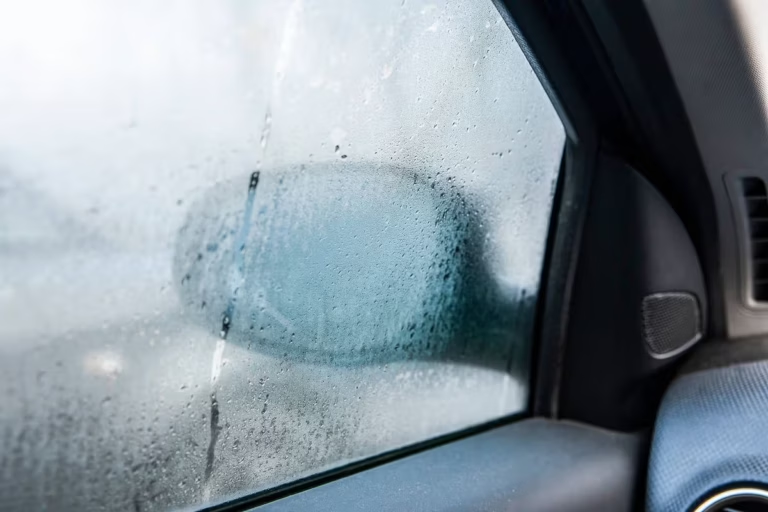
A frozen windscreen is the last thing you want when you’re already running late on a cold winter morning. Fortunately, clearing the ice doesn’t have to take long, and you don’t need to risk damaging the glass to do it.
The quickest safe way to defrost your windscreen is to switch on your car’s front demister, apply a suitable de-icer spray and gently remove the softened ice with a plastic scraper. If your car has a heated windscreen, switch that on too.
The important thing is to clear the entire windscreen, not just a small patch in front of the steering wheel. You’ll also need to make sure your other windows, mirrors and lights are clear before driving.
Here’s how to do it properly, what to avoid and how to stop your windscreen freezing overnight.
How to Defrost Your Windscreen Quickly
You don’t need any expensive equipment to clear a frozen windscreen. A decent ice scraper, a bottle of automotive de-icer and your car’s heating system will usually do the job.
For most drivers, the best approach is to use the heater and de-icer together rather than waiting for the engine to warm up.
1. Start Your Car and Switch On the Demister
Start the engine if it’s safe to do so, then select the front windscreen demister setting.
On cars with manual heating controls, direct the airflow towards the windscreen, turn up the fan speed and select a warm temperature.
Don’t worry if the air initially feels cold. On most petrol and diesel cars, the heater relies on warmth from the engine’s cooling system, so it can take a few minutes before hot air becomes available.
If your car has automatic climate control, pressing the front demist button will normally adjust the airflow, fan speed and temperature for you.
Never run the engine inside a garage or other enclosed space, even with the door open. Exhaust fumes can contain deadly carbon monoxide.
2. Turn On Your Heated Windscreen
If your car has an electrically heated front windscreen, use it.
These systems contain heating elements that warm the glass and help loosen ice, often without needing to wait for the engine to reach operating temperature.
Not every car has this feature, although many have a heated rear windscreen.
You can switch on the rear screen heater while clearing the front glass, provided your vehicle’s instructions allow it.
3. Apply a Suitable Windscreen De-Icer
Spray automotive de-icer evenly across the frozen windscreen, paying particular attention to thicker patches of ice.
Give the product time to work according to the instructions on the bottle.
De-icer helps melt or loosen the frost, making it easier to remove without excessive scraping.
Choose a product intended for vehicle glass and follow any warnings about paintwork, seals or other surfaces.
4. Gently Remove the Ice With a Plastic Scraper
Once the frost has softened, use a proper plastic ice scraper to clear the windscreen.
Work across the glass using gentle, controlled movements rather than forcing the scraper through thick ice.
If you encounter a stubborn patch, apply more de-icer and allow it to work before trying again.
Make sure the glass is free from loose grit and dirt where possible, as dragging abrasive particles across the surface can cause scratches.
Avoid metal scrapers, screwdrivers and other sharp tools.
5. Clear the Rest of Your Windows
Don’t stop once the front windscreen is clear.
Remove frost and ice from the rear windscreen, side windows and door mirrors. Check your headlights, brake lights, indicators and number plates too.
If your vehicle has cameras or driver-assistance sensors, make sure any exposed areas that need to remain clear are free from snow and ice, following the manufacturer’s guidance.
You should also remove loose snow from the roof and bonnet. Snow sliding forwards under braking could suddenly block your view.
Only set off when you have proper visibility all around the vehicle.
Can You Pour Hot Water on a Frozen Windscreen?
No. Pouring boiling or very hot water onto a frozen windscreen is best avoided.
Glass can experience stress when its temperature changes suddenly. If the windscreen already has a stone chip or small crack, a rapid temperature change may increase the risk of that damage spreading.
There’s another problem, too. Water running down the glass can collect around the windscreen wipers, seals and scuttle panel before freezing again.
That could leave you with even more ice to remove.
What About Lukewarm Water?
Lukewarm water is less likely to cause thermal shock than boiling water, but it still isn’t the best option.
If temperatures are below freezing, the water can refreeze on the windscreen or surrounding surfaces. It can also leave the wipers and washer jets covered in ice.
A proper de-icer and plastic scraper are more reliable choices, especially when the temperature is well below zero.
Should You Use Hot or Cold Air to Defrost Your Windscreen?
Warm air is generally best for clearing ice from the outside of the glass, but there’s no need to wait until the heater is blowing at full temperature before starting.
On a conventional petrol or diesel car, the heater may initially blow cold air because the engine hasn’t warmed up yet.
Set the airflow towards the windscreen and allow the temperature to increase as the engine produces heat.
For condensation on the inside of the glass, air conditioning can be particularly useful because it helps remove moisture from the cabin air.
If your car has a front demist function, that’s usually the easiest option.
Some electric cars and plug-in hybrids use electric heaters or heat pumps, allowing them to warm the cabin without relying on engine heat. Certain models also offer pre-conditioning, which can warm the glass before you get into the vehicle.
If your heater continues blowing cold air after the engine has reached its normal operating temperature, there could be an underlying fault.
Common causes include low coolant levels, a faulty thermostat, air trapped in the cooling system or problems with the heater matrix.
These issues are explained in more detail in our guide to car heaters blowing cold air.
Don’t Switch On Frozen Windscreen Wipers
It’s easy to forget about your wipers when you’re concentrating on clearing the windscreen.
However, operating wipers that are frozen to the glass can damage the rubber blades or strain the wiper motor and mechanism.
Before switching them on, check that both blades can move freely.
If they’re stuck, apply a suitable de-icer around the frozen areas and give the ice time to loosen.
Never pull a frozen blade away from the glass by force, as this can tear the rubber.
Cars with automatic rain-sensing wipers need particular care. Make sure the system is switched off while you’re clearing the windscreen so the blades don’t move unexpectedly.
Once the ice has been removed, check that the wipers are in good condition before driving.
How to Stop Your Windscreen Freezing Overnight
If you’re regularly scraping ice off your car before work, preventing frost from forming can save you quite a bit of time.
There are several simple things you can do.
Use a Windscreen Frost Cover
A proper windscreen frost cover is one of the easiest ways to protect the glass overnight.
Fit it securely before temperatures drop and remove it the following morning.
A well-fitted cover can prevent frost from forming directly on much of the windscreen, leaving you with considerably less ice to clear.
Choose one designed for automotive use and make sure it doesn’t interfere with the wipers or damage the paintwork.
Avoid placing a wet cover directly onto the glass in freezing conditions, as it may freeze in place.
Park in a Garage or Sheltered Area
Parking in a garage can help protect your vehicle from frost and snow.
If you don’t have a garage, a sheltered parking space may reduce the amount of ice forming on the glass, depending on the weather conditions.
However, never leave an engine running inside a garage to warm the car up. Carbon monoxide can build up dangerously, even when a garage door is open.
Keep the Windscreen Clean
Road grime, grease and dirt can make it harder to see through the glass, especially when condensation develops.
Clean both sides of the windscreen regularly with a suitable automotive glass cleaner and a clean microfibre cloth.
This won’t prevent every frost-covered morning, but it will help maintain visibility and make it easier to spot any ice you’ve missed.
Use Winter Screenwash
Screenwash is another thing worth checking before the temperature drops.
Some summer screenwash products offer little protection against freezing, while winter formulations are designed to work at lower temperatures.
Choose a product suitable for the expected conditions and mix it according to the manufacturer’s instructions.
Frozen washer fluid can leave you unable to clean road salt and dirt from the windscreen while driving.
If the washer system is frozen, don’t repeatedly operate the pump. Allow the system to thaw safely first.
How to Defrost the Inside of Your Windscreen
Sometimes the frost isn’t on the outside at all.
On particularly cold mornings, moisture inside the cabin can freeze against the inner surface of the windscreen.
This is more likely when there’s excess humidity inside the car, often caused by wet shoes, damp carpets, clothing or water entering through damaged seals.
To clear it, switch on the front demister and direct the airflow towards the glass.
Turn on the air conditioning if available and switch off the air recirculation function. Bringing in fresh air and removing moisture can help clear the windscreen more effectively.
If there’s a layer of ice on the inside, allow the heater to thaw it gradually and use a clean microfibre cloth to collect any moisture.
Avoid scraping the inside of the glass, particularly around cameras, sensors, heating elements or window films.
If the windscreen repeatedly freezes or steams up inside, check for damp carpets, blocked drainage channels and damaged door or window seals.
Persistent moisture can indicate a water leak that needs attention.
Is It Illegal to Drive With a Frozen Windscreen in the UK?
Driving with a windscreen covered in ice can lead to legal trouble, particularly if your view of the road is restricted.
The Highway Code explains that drivers must be able to see clearly through their windows before setting off.
Rule 229 also covers driving in icy and snowy weather, including clearing snow and ice from windows and ensuring lights and number plates are clean and visible.
Under Regulation 30 of the Road Vehicles (Construction and Use) Regulations 1986, drivers must have a clear view of the road and traffic ahead.
Depending on the circumstances, driving with seriously restricted visibility could result in enforcement action.
This is why clearing only a small section of the windscreen isn’t enough.
You need an unobstructed view of the road, with your windows and mirrors sufficiently clear for safe driving.
It’s worth allowing a few extra minutes before leaving rather than risking poor visibility on the journey.
Can You Leave Your Engine Running While Defrosting Your Car?
Using your car’s heating system while clearing the windscreen is common, but leaving the engine running unattended isn’t a good idea.
Rule 123 of the Highway Code explains the rules surrounding unnecessary engine idling.
On a public road, leaving an engine running unnecessarily while stationary can breach the relevant regulations. There are also rules concerning unattended vehicles with running engines.
If you’re defrosting your car, remain with it and avoid leaving the keys inside while you go back into the house.
Aside from the legal considerations, an unattended vehicle with its engine running can be an easy target for thieves.
It’s generally better to clear the windscreen with de-icer and a scraper while the heater warms up, rather than relying on a long period of idling.
If your vehicle has manufacturer-approved remote pre-conditioning, follow the instructions for that system.
How Long Does It Take to Defrost a Windscreen?
There’s no fixed time because it depends on the outside temperature, how thick the ice is and the equipment fitted to your car.
A light layer of frost may clear in a few minutes with de-icer and a scraper.
Thicker ice can take longer, particularly if the vehicle doesn’t have a heated windscreen and the engine is still cold.
A heated front windscreen or an effective pre-conditioning system may make the process quicker.
Rather than watching the clock, concentrate on making sure the glass is completely clear before setting off.
Frequently Asked Questions
What’s the Fastest Way to Defrost a Windscreen?
Use the front windscreen demister, apply a suitable automotive de-icer and gently remove softened ice with a plastic scraper. Switch on the heated front windscreen if your car has one.
Can You Use Lukewarm Water to Defrost a Windscreen?
It’s better to avoid it. Although lukewarm water is less risky than boiling water, it can refreeze on the glass, wipers and surrounding surfaces when temperatures are below zero.
Does Air Conditioning Help Defrost a Windscreen?
Yes, particularly when condensation is forming on the inside. Air conditioning helps dry the cabin air, making it easier to clear mist from the glass. Its operation may be limited in very cold conditions.
Should You Lift Your Windscreen Wipers Overnight?
Some drivers lift their wipers to prevent the blades freezing to the glass, but this isn’t suitable for every vehicle. Check your owner’s manual, as certain cars require a specific wiper service position and lifting the arms incorrectly can damage the bonnet or mechanism.
Can a Frozen Windscreen Crack?
Cold weather alone doesn’t usually crack a sound windscreen, but existing chips and cracks can become more vulnerable to temperature changes. Avoid pouring boiling water onto frozen glass and arrange repairs for damaged windscreens.
A Few Minutes of Preparation Makes Winter Driving Easier
Defrosting your windscreen doesn’t need to be complicated.
Keep a plastic ice scraper and suitable de-icer handy, use your car’s demister and heated glass functions where fitted, and give yourself enough time to clear every window properly.
If you regularly wake up to a frozen car, a windscreen frost cover can make a noticeable difference.
Most importantly, don’t be tempted to drive away with only a small patch of glass cleared. Being able to see properly is worth those extra few minutes.