A Stage 1 remap changes the software controlling your engine to increase its performance, usually without requiring replacement engine hardware.
On a suitable turbocharged car, it can deliver stronger acceleration for a few hundred pounds. The compromises include extra mechanical load, possible fuel requirements and changes to insurance cover.
The important question is whether the gains make sense for your particular car. A healthy engine, sensible torque delivery and proper checks matter more than the biggest number on a tuner’s website.
What does a Stage 1 remap actually change?
The engine control unit, or ECU, manages functions including fuel delivery, ignition timing on petrol engines and turbocharger boost where fitted. A remap alters parts of its calibration to change how the engine produces power.
“Stage 1” generally describes software intended for otherwise standard hardware. It isn’t a universal engineering specification, so one company’s package may have different requirements from another’s.
For example, RacingLine’s Stage 1 software for the 1.4 TSI EA211 requires no hardware modifications, but specifies petrol rated at 98 RON or above. Standard parts don’t necessarily mean you can continue using the same fuel.
Installation methods vary. Some ECUs can be programmed through the diagnostic socket, while others need unlocking or direct access. Confirm what your car requires and whether the quoted price includes it.
How much power does a Stage 1 remap add?
There’s no honest figure that applies to every engine. Turbocharged petrol and diesel engines generally offer more scope for software gains than naturally aspirated engines, which don’t have turbo boost to increase.
The original engine specification matters, too. Two cars with similar badges may have different turbochargers, cooling systems or transmissions. Don’t assume a lower-powered version can safely match a stronger factory model through software alone.
As a specific example, RacingLine lists the following figures for its 150 PS 1.4 TSI EA211 application:
| Output | Standard figure | Stage 1 figure |
|---|---|---|
| Power | 150 PS | 180 PS |
| Torque | 249 Nm | 320 Nm |
That represents a claimed increase of 30 PS and 71 Nm. RacingLine identifies the standard outputs as manufacturer figures and the tuned figures as its own crankshaft measurements. It also says results vary with fuel, vehicle condition and testing methods.
These are the tuner’s published figures, rather than an independent test by The Cars Daily. They illustrate one application, not an expected result for every 1.4-litre engine.
Look beyond peak power
Torque is the engine’s turning force. More of it through the middle of the rev range can make acceleration in a suitable gear stronger, without needing to chase the red line.
Ask to see the full power and torque curves. A smooth increase across the usable rev range tells you more about the intended delivery than one impressive peak figure.
Also check whether quoted outputs are measured at the wheels or reported at the engine. They aren’t interchangeable. Before-and-after testing on the same equipment under comparable conditions gives a more useful comparison than graphs from unrelated rolling roads.
How much does a Stage 1 remap cost in the UK?
Expect a bill of a few hundred pounds for many straightforward applications, with higher costs possible for ECU unlocking, specialist software or additional work. Published prices are useful examples, rather than a fixed national rate.
Prices checked on 3 November 2026 included:
| Provider | Advertised price | What to check |
|---|---|---|
| SGR Automotive | £275 plus VAT, or £330 including VAT | Exact vehicle eligibility and testing included |
| Pulse Motorsport | £360 including VAT | Advertises a health check, baseline dyno run, calibration and before-and-after graph |
These are advertised examples, rather than recommendations or a survey of the whole market. Confirm a written quote for your engine and ECU before booking.
Ask about fault checks, data logging, power testing, restoring the original software and aftercare. A cheaper appointment may include a different level of work.
Allow for the wider cost as well. Insurance changes, required servicing and premium petrol can matter more over ownership than a small difference in the remapping fee.
Can a Stage 1 remap affect reliability?
Yes. Producing more power can increase cylinder pressures, heat and the demands placed on the turbocharger and drivetrain. The effect depends on the calibration, engine design, condition and how the car is used.
That doesn’t mean every remapped engine will fail. It does mean “software only” shouldn’t be read as “no mechanical consequences”.
A worn clutch may hold standard torque but slip after an increase. Cooling faults, weak ignition components or boost leaks can also become more apparent when the engine is asked to work harder.
Before tuning, have the car checked for:
- Stored faults, misfires and warning lights.
- Oil or coolant loss and temperature problems.
- Boost leaks or abnormal turbocharger behaviour.
- Clutch slip or poor gearbox operation.
- Overdue servicing and relevant engine-specific maintenance.
A fault-code scan is useful, but it isn’t a complete mechanical health assessment. A tuner should be willing to explain why a car needs repairs before proceeding.
High mileage alone doesn’t settle the question. A well-maintained car and a neglected example with fewer miles can present very different risks. Neither a mileage figure nor the absence of a warning light proves suitability.
Do you need a gearbox remap?
Not automatically. An engine remap and a gearbox remap change different control systems, and the requirements depend on the transmission and intended torque.
Some packages work with the original gearbox calibration. Others may need a compatible transmission software package or a lower-torque engine map.
Ask the tuner to identify the gearbox fitted and explain the recommendation. Increasing a software torque limit doesn’t strengthen the physical clutch packs, gears or shafts.
For a road car, a restrained torque target may be a better compromise than buying additional software simply to pursue a larger figure.
Will fuel economy improve?
Don’t budget on the remap paying for itself through fuel savings. Economy depends on the calibration, route, driving style and how often you use the extra performance.
Steady driving may produce similar consumption, or a change either way. Using more of the engine’s available output generally requires more fuel.
Check the required petrol grade before booking. A map developed for 98 or 99 RON needs to be used according to its supplier’s instructions. Don’t assume the engine’s knock control makes regular use of a lower grade acceptable.
If you want to retain 95 RON petrol, ask whether a suitable calibration exists and what difference it makes to the advertised output.
Insurance, warranty and MOT considerations
Tell your insurer about the proposed remap before installation and confirm it will cover the car. The Financial Ombudsman Service warns that undeclared modifications can have serious consequences for cover.
Ask how the modification affects the premium and whether the modified components themselves are covered. Keep the insurer’s confirmation.
A remap can also affect warranty cover. Check the actual terms and ask how tuning affects engine, turbocharger and transmission claims. Don’t assume a tuner’s guarantee provides the same protection as the manufacturer’s warranty.
For financed or leased cars, check the agreement and obtain any permission it requires.
Will a remapped car pass its MOT?
A remap doesn’t automatically cause an MOT failure, but it doesn’t guarantee a pass either. The DVSA inspection manual states that a modified engine must still meet the applicable exhaust-emission requirements.
Stage 1 shouldn’t require removing a catalytic converter, particulate filter or other emissions equipment. Reject any claim that disabling these systems is a necessary part of an ordinary software upgrade.
An MOT pass also isn’t certification that a calibration complies with every road-use requirement. Ask the supplier what evidence supports its emissions and compliance claims for your application.
Can you return the car to standard?
Often, yes, provided suitable original software is available and the ECU supports the process. Ask who keeps the original calibration, what restoration costs and what happens if a dealer software update overwrites the remap.
Returning the software to standard doesn’t undo wear that has already occurred. It also shouldn’t be treated as a promise that previous tuning will be undetectable.
Keep the invoice, fuel requirements, testing results and details of the installed software. Those records are more useful than a verbal assurance that everything is reversible.
Is a Stage 1 remap worth it?
A Stage 1 remap can be worthwhile on a healthy turbocharged car when the aim is stronger everyday performance and the owner accepts the running costs and mechanical compromises.
It’s harder to justify if the car needs repairs, the insurance increase is substantial or the expected gains are small. Sorting worn tyres, brakes or neglected servicing may offer better value first.
Choose a tuner who discusses your engine, gearbox, fuel and intended use before quoting a power figure. For a daily driver, smooth delivery and a sensible torque target are usually more useful than winning a comparison of dyno screenshots.
My experience with a Stage 1 remap
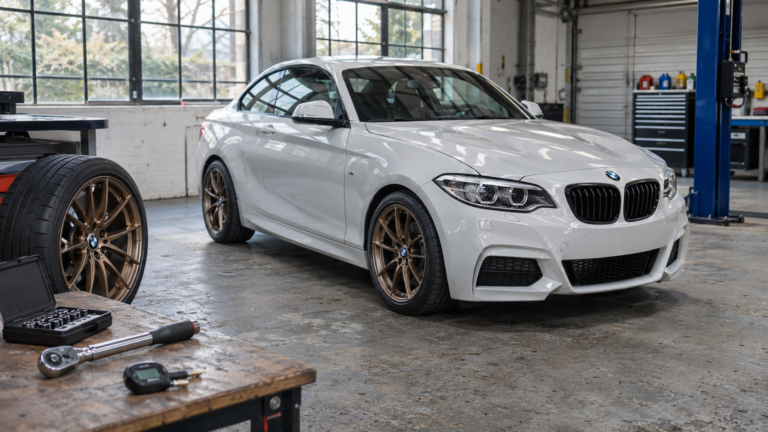
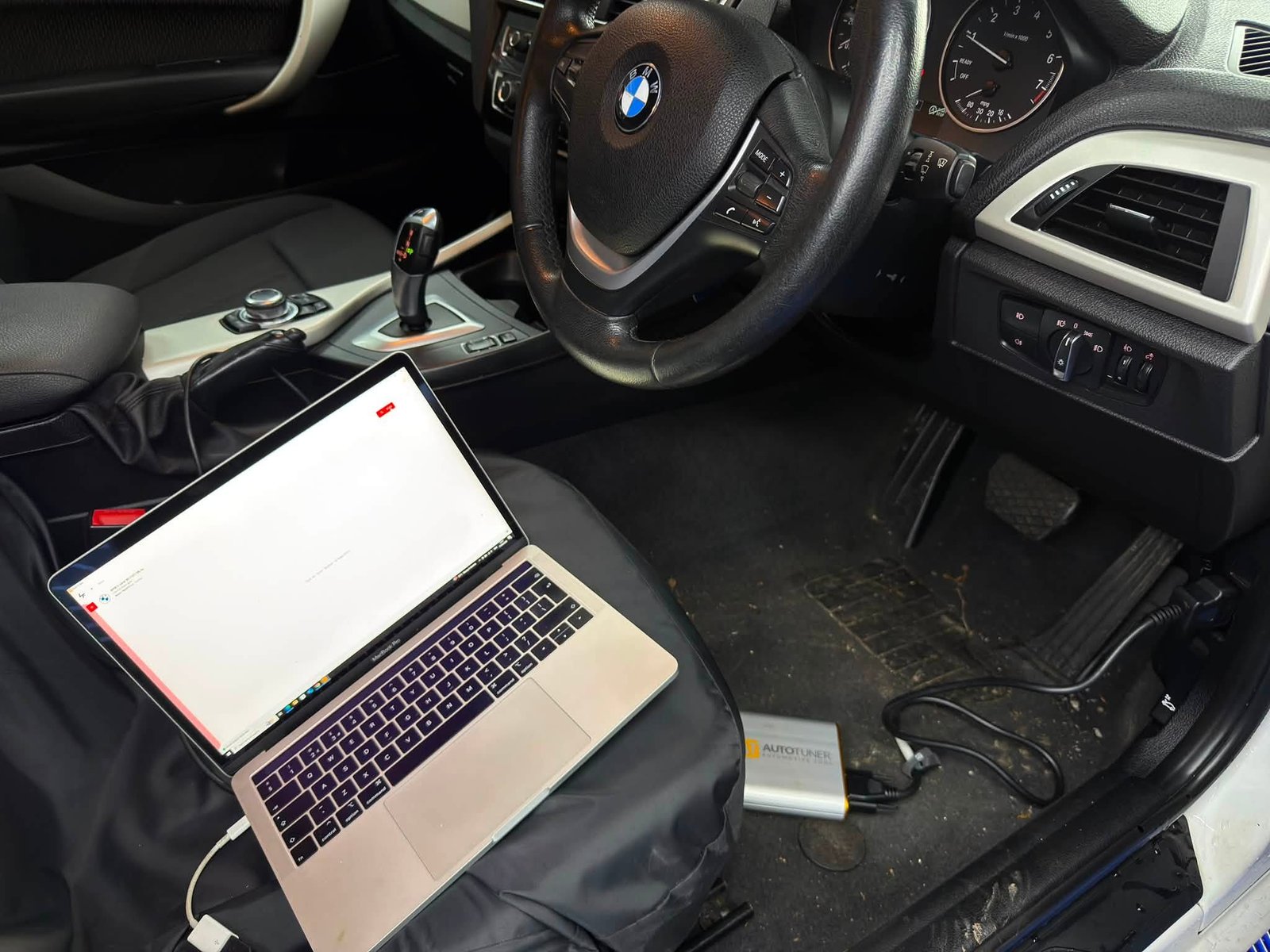
I had my BMW 218i remapped by LF Automotive in Warrington and have noticed a big improvement in its performance. For me, it’s been a worthwhile upgrade, although that’s a personal impression rather than a measured before-and-after test. The results will depend on your car, its condition and the calibration used.