Start with a healthy car, choose one thing you want to improve and check the insurance position before buying parts.
For most road cars, suitable tyres, sound suspension and small, well-chosen changes make a better starting point than chasing maximum power.
That doesn’t mean your first modification has to be sensible to the point of being dull. If you want different alloys or a subtle styling change, that’s a perfectly reasonable aim.
The important thing is understanding what the upgrade involves and what you’ll give up.
Decide what you want from the car
“Make it better” is a difficult brief to shop for. Be more specific about what would make the car more enjoyable for you.
Perhaps you want sharper responses, a different appearance or a more useful cabin. A daily commuter and a weekend track car will need different decisions, even if they start as the same model.
Choose one main priority:
| Your aim | Sensible starting point |
|---|---|
| More confidence on the road | Tyre condition, suitable replacements and a suspension inspection |
| A different appearance | Reversible styling changes or correctly specified alloys |
| Less body movement | Check worn suspension before considering springs or dampers |
| Stronger acceleration | Establish engine and drivetrain health before discussing tuning |
| Better everyday usability | Compatible phone integration or another clearly useful cabin upgrade |
You don’t need to tackle every area. A car with two thoughtful changes can be more satisfying than one carrying a catalogue’s worth of compromises.
Get the car working properly first
Maintenance isn’t a modification, but it determines whether your upgrades have a sound starting point.
Worn dampers, tired suspension bushes, sticking brakes and neglected tyres can all spoil how a car drives. Adding parts around those faults may cost more while leaving the original problem unresolved.
Before planning upgrades, establish:
- Whether servicing and engine-specific maintenance are up to date.
- The condition of the tyres, brakes and suspension.
- Whether there are fluid leaks, warning lights or overheating concerns.
- Whether the clutch and gearbox operate properly.
- Whether the car drives straight without unexplained vibration or noises.
Don’t assume a current MOT answers every question. Use an inspection appropriate to the work you’re considering, especially before increasing power or changing suspension.
Keep some money aside for repairs. A project budget that only covers new parts is likely to become frustrating quickly.
Speak to your insurer before ordering
Even changes made mainly for appearance can matter to your insurer. Don’t assume that a modification is irrelevant because it adds no power or came from the car manufacturer.
Admiral’s guidance tells customers to declare planned modifications beforehand, explaining that cover may change or a higher premium may apply.
Describe the actual parts and work proposed, then keep confirmation of what the insurer has accepted. Ask how cover applies to the modified components themselves.
Check finance, lease and warranty terms where relevant, too. Finding out that an upgrade isn’t permitted after it has been fitted is an expensive way to read the paperwork.
Why tyres deserve an early look
Tyres affect acceleration, braking, steering and the way the car copes with wet roads. They deserve attention before you add performance elsewhere.
The right choice depends on your climate, mileage and driving. An expensive tyre designed for a very different use isn’t automatically an improvement for your daily car.
If the existing tyres are suitable and in good condition, there’s no need to replace them simply to call it an upgrade. Check their pressures and investigate uneven wear first.
TyreSafe recommends regular checks of pressure, condition and tread. Use the correct cold pressures for the vehicle, tyre fitment and load; if you’ve changed sizes, get suitable advice rather than copying another owner’s figures.
A wheel-alignment check can also be worthwhile where there’s uneven wear, poor steering behaviour or relevant suspension work. Repair worn components before trying to adjust around them.
Choosing your first visible modification
A styling change can be a good introduction because its purpose is straightforward: you want the car to look different.
Consider a modest trim change or a properly secured spoiler designed for the vehicle. Check fitment, finish and how the part attaches before ordering. “Universal” can mean there’s considerably more work involved than the photograph suggests.
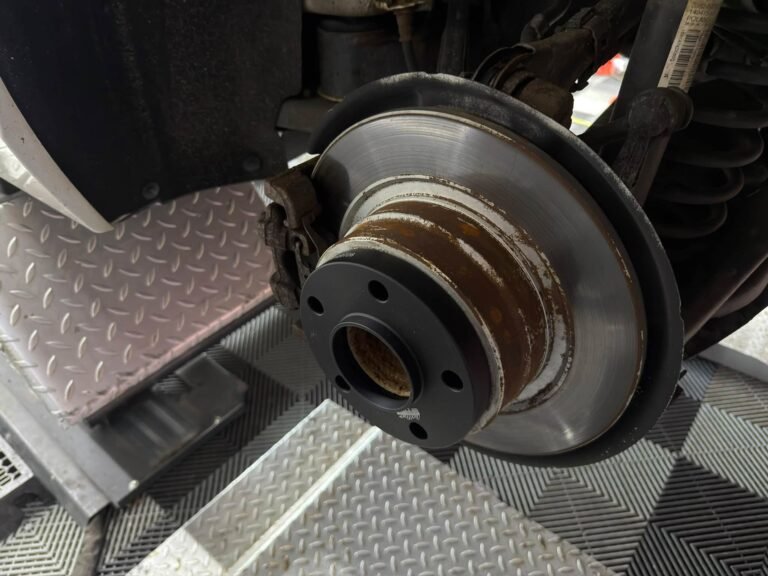
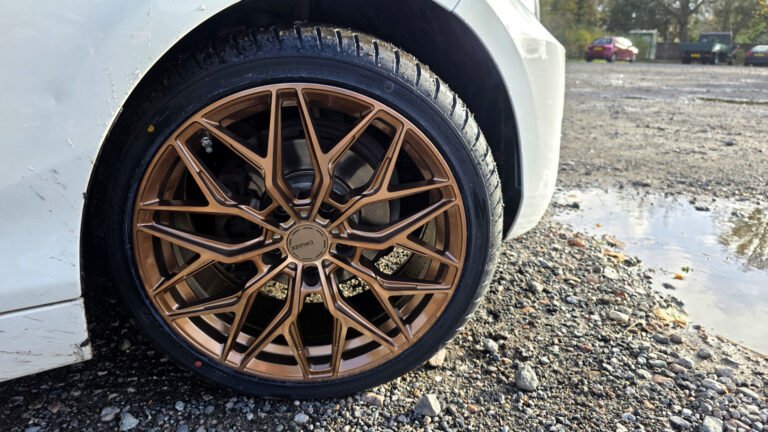
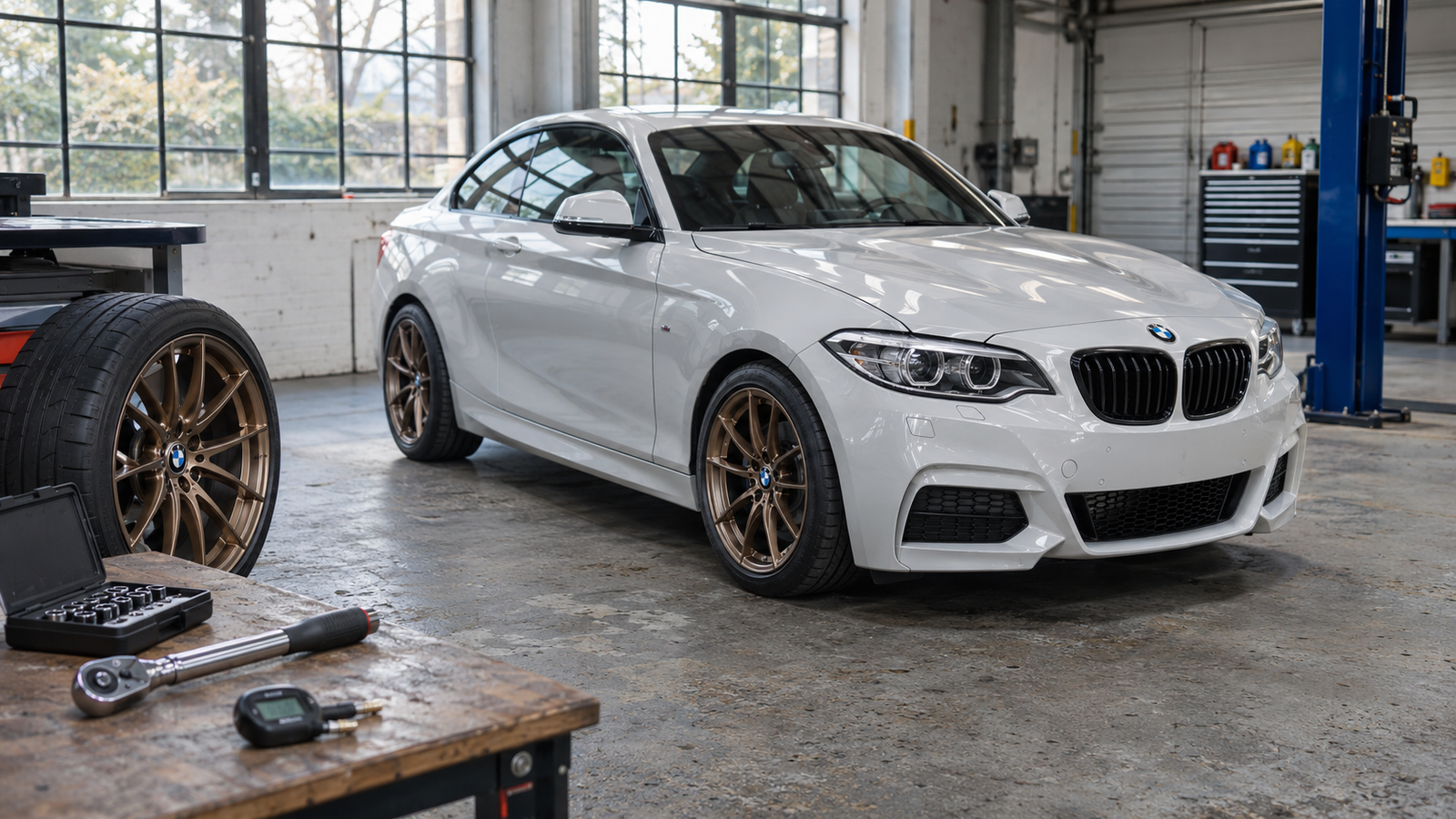
Alloy wheels make a bigger visual difference, but need more research. Diameter, width, offset, bolt pattern, centre bore, load capacity and brake clearance all matter.
Budget for suitable tyres, correct fixings, compatible pressure sensors where required and professional fitting. A cheap set of wheels stops being cheap if several necessary parts are missing.
Also consider the trade-off of larger wheels. Depending on the complete wheel-and-tyre package, they can add weight, reduce ride comfort or increase tyre costs.
Should you lower the car straight away?
Lowering makes sense when you have a clear aim and understand the effect on daily use. It doesn’t automatically make a car handle better.
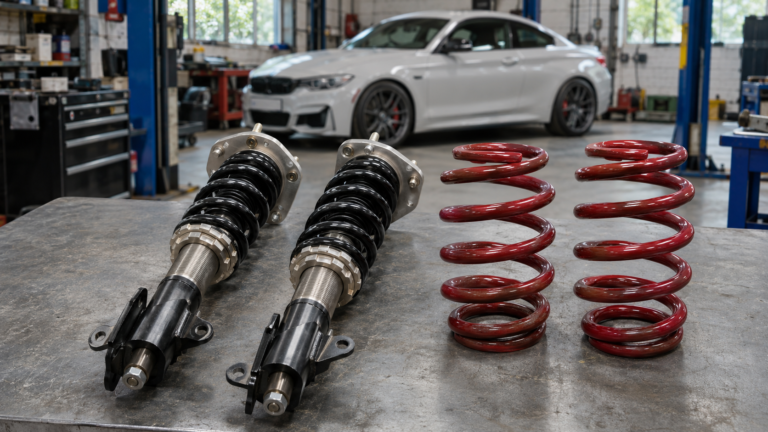
Quality lowering springs can suit a modest, fixed drop when the dampers are compatible and healthy. A matched spring-and-damper package deserves consideration if the existing suspension needs refreshing.
Coilovers add height adjustment, with damping adjustment available on some kits. Those features are useful when they serve a purpose, but they also require a suitable setup.
Allow for fitting, worn mounts or bushes and wheel alignment. Check clearance with the wheels and tyres you intend to keep, including during steering and suspension movement.
A lower stance has to work with speed humps, passengers and your driveway. Choose the ride height for those conditions as well as the side-profile photograph.
When should you consider a remap or exhaust?
Once the car is healthy and you’ve understood the costs, power upgrades become a more informed decision.
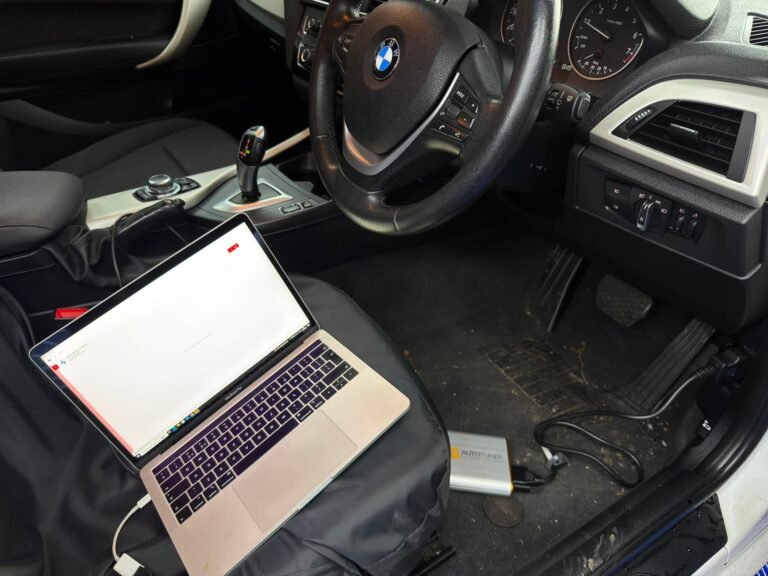
A Stage 1 remap can offer worthwhile gains on some turbocharged engines. Results and requirements vary, and extra torque can expose a clutch or drivetrain already close to its limits.
Ask about fuel requirements, testing, torque delivery and aftercare. Don’t assume similarly named engines have identical hardware or tuning potential.
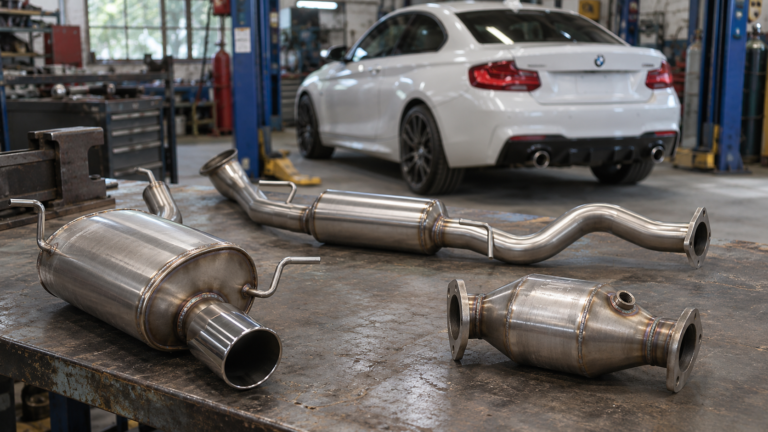
With exhausts, separate the aim of changing appearance from the aim of increasing power. Different outlets or a rear silencer won’t necessarily deliver a measurable performance benefit.
Noise compliance also needs attention. Government guidance states that it’s illegal to modify an exhaust to make a vehicle noisier after type approval. A system being available to buy doesn’t establish its suitability for road use.
For a first project, avoid changing several engine and exhaust components at once. It makes the bill harder to control and any new fault harder to trace.
Build a complete budget
Compare the cost of the finished job, rather than the headline price of the main part.
Include fitting, supporting components, setup, insurance changes and ongoing maintenance. Think about whether reversing the modification later would involve another sizeable bill.
If an upgrade only fits the budget when you leave out alignment, suitable tyres or the correct fixings, save for the complete job.
Keep invoices, part numbers and fitting instructions. Take photographs where useful and retain original components if you have somewhere suitable to store them.
What my BMW modifications have taught me to consider
My own BMW 218i has had several changes, including a Stage 1 remap, replacement alloys, wheel spacers and a custom exhaust. I also changed the rear bumper and added a gloss black diffuser to finish the rear appearance.
They’re examples of how one change can involve another. Wheel width and offset affect spacer suitability, while exhaust outlets need to work with the bumper and diffuser.
My advice is to plan the finished combination before buying each part. That doesn’t require doing everything at once; it helps you avoid paying for something that won’t suit the next stage.
Common first-time mistakes
Buying purely on appearance is an easy one. A part that looks right on another car may depend on suspension changes, different tyres or bodywork you can’t see.
Another is expecting every performance part to improve every aspect of the car. Firmer suspension, larger wheels and more aggressive brake pads can introduce compromises that don’t suit ordinary road use.
Don’t overlook installation quality, either. Correct parts fitted badly can create problems that a more expensive brand name won’t solve.
Finally, give each change time to prove itself. Check the result, follow any inspection instructions and resolve new noises, rubbing or warning lights before moving on.
A sensible place to start
Choose the area you notice most every day. Address poor tyres or worn components first, then pick one upgrade that serves your main aim.
For appearance, that might mean suitable alloys or a restrained trim change. For driving enjoyment, it could mean a carefully chosen tyre or suspension package. For usability, a compatible cabin upgrade may deliver more value than extra power.
Your first modification doesn’t need to transform the whole car. It needs to make it more enjoyable to own without creating a problem you didn’t have before.