Finding a decent used car for less than £5,000 isn’t as straightforward as it once was. Prices remain a challenge for budget-conscious motorists, and plenty of cheap-looking cars can turn into expensive mistakes if you don’t know what to look for. If a car on your shortlist has six figures on the clock, here’s how to judge whether a used car’s mileage is too high
The good news is that £5,000 can still buy a practical, economical car that should provide dependable everyday transport when chosen carefully. You might have to compromise on age, mileage or equipment, but there are some genuinely worthwhile options.
From the dependable Toyota Yaris and spacious Honda Jazz to the enjoyable Ford Fiesta, we’ve picked ten used-car choices worth considering in the UK in 2026.
The emphasis here isn’t on finding the newest car for the money. It’s on choosing something affordable to maintain, reasonably economical and unlikely to leave you facing an unexpected repair bill.
Best Used Cars Under £5,000: Quick Comparison
| Car | Best for | Recommended version |
|---|---|---|
| Toyota Yaris | Reliability and everyday driving | 1.33 petrol manual |
| Honda Jazz | Space and practicality | 1.4 i-VTEC manual |
| Ford Fiesta | Driving enjoyment | 1.25 petrol manual |
| Hyundai i20 | Affordable everyday motoring | 1.2 petrol manual |
| Volkswagen Polo | Comfort and refinement | 1.2 petrol manual |
| Kia Picanto | Low-cost city driving | 1.0 petrol manual |
| Nissan Note | Practicality and family use | 1.2 petrol manual |
| Skoda Fabia | Space and value | 1.2 petrol manual |
| Toyota Aygo / Citroën C1 / Peugeot 108 | Cheap running costs | 1.0 petrol manual |
| Volkswagen Up / Skoda Citigo / SEAT Mii | All-round city driving | 1.0 MPI manual |
These are suggested versions to investigate rather than guarantees of reliability. Condition, servicing and known faults should always take priority over engine choice alone.
1. Toyota Yaris (2009–2016)
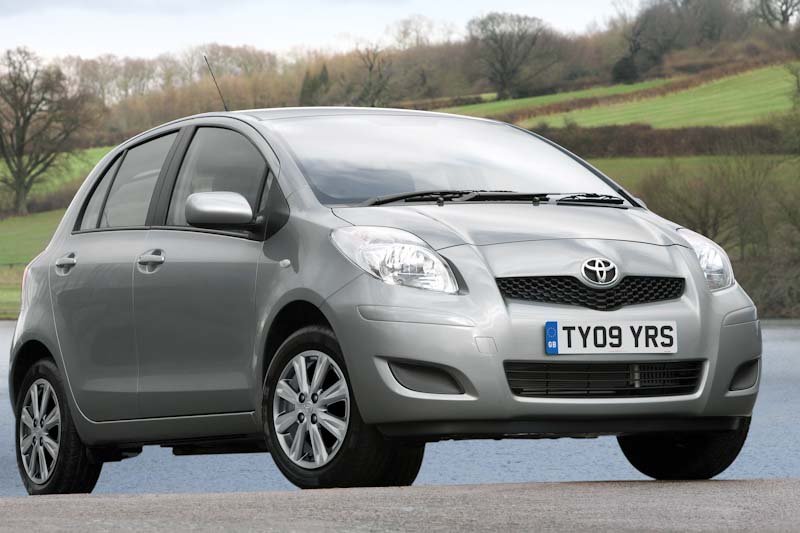
Best for: Reliability, commuting and low running costs
The Toyota Yaris remains one of the easiest small used cars to recommend to buyers who simply want dependable transport.
It might not be the most exciting hatchback to drive, but its straightforward controls, economical petrol engines and practical interior make it a sensible choice for commuting, shopping and everyday family duties.
The 1.33-litre petrol manual is worth considering if you regularly travel outside town. The smaller 1.0-litre engine can be economical, although it feels less comfortable when carrying passengers or travelling at motorway speeds.
The Yaris also benefits from Toyota’s established reputation for durability, but that doesn’t mean every example will be trouble-free.
What to check: Look for coolant leaks, clutch wear, uneven tyre wear and evidence of regular servicing. On older cars, inspect the underside for corrosion and check that all electrical equipment works correctly.
Our verdict: A strong all-rounder for buyers who value reliability and simplicity over driving excitement.
2. Honda Jazz (2010–2015)
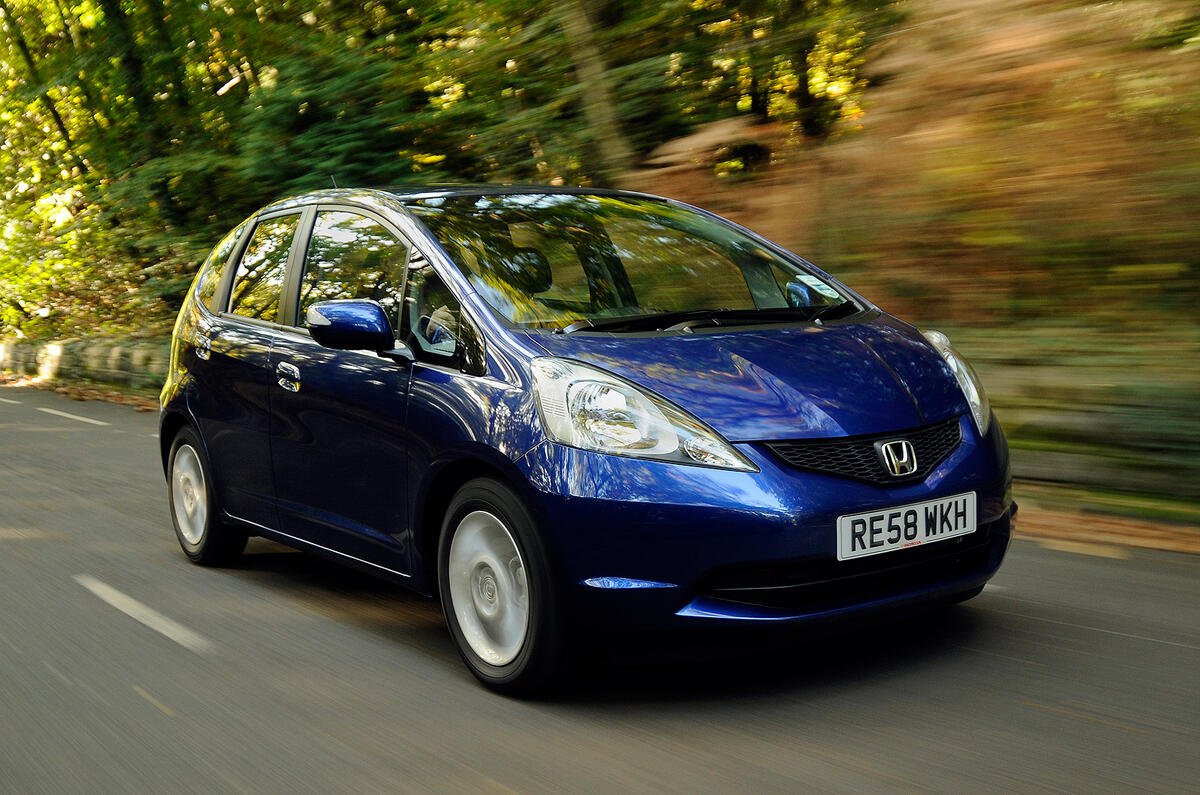
Best for: Practicality, interior space and everyday reliability
Few small cars make better use of their interior space than the Honda Jazz.
Despite its compact dimensions, the Jazz offers an unusually practical cabin, excellent visibility and clever rear seating. Honda’s Magic Seats allow the interior to accommodate taller or bulkier items that might struggle to fit inside larger hatchbacks.
The 1.4-litre i-VTEC petrol manual is a particularly appealing choice, providing reasonable performance without making the car expensive to run.
The Jazz is also well suited to drivers who prioritise comfort, easy parking and a straightforward ownership experience.
What to check: Listen for suspension knocks, inspect the brakes and check for water ingress. If you’re considering an automatic, research the exact transmission fitted and ensure it operates smoothly with evidence of appropriate maintenance.
Our verdict: One of the best small cars under £5,000 if interior space matters more than sporty handling.
3. Ford Fiesta (2012–2017)

Best for: Driving enjoyment, commuting and first-time buyers
The Ford Fiesta remains one of Britain’s most recognisable small hatchbacks, and there’s a good reason it has been so popular.
It’s enjoyable to drive, easy to park and comfortable enough for regular commuting. The steering and handling are particularly good for an affordable supermini.
For a straightforward budget purchase, we’d favour a well-maintained 1.25-litre naturally aspirated petrol manual.
The turbocharged 1.0-litre EcoBoost offers stronger performance, but certain versions require particular care over timing-belt servicing and cooling-system history. Neglected maintenance can lead to expensive engine problems.
Some automatic versions also use Ford’s PowerShift transmission, which deserves careful investigation because of its history of reliability complaints.
What to check: Examine clutch operation, suspension wear, coolant condition and service records. On relevant EcoBoost engines, establish whether the correct oil has been used and whether scheduled belt work has been completed.
Our verdict: One of the most enjoyable cars on this list, but engine and gearbox choice are especially important.
4. Hyundai i20 (2012–2015)
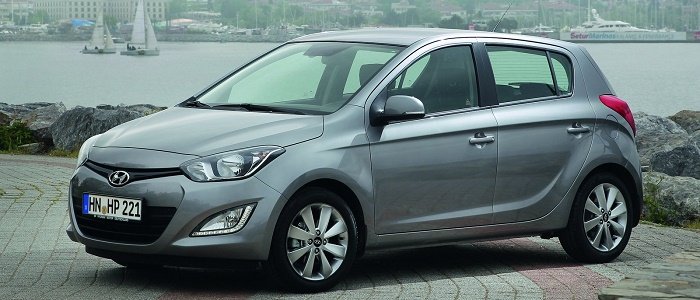
Best for: Affordable commuting and sensible everyday motoring
The Hyundai i20 doesn’t attract the same attention as the Fiesta or Polo, but that can work in its favour when shopping on a limited budget.
It’s a comfortable, practical small hatchback with a straightforward interior and generally reasonable maintenance requirements.
The 1.2-litre petrol manual is worth considering for drivers who mainly use their car around town and on shorter journeys.
You won’t get particularly exciting performance, but that’s not really the point. The i20 is about providing affordable transport without unnecessary complications.
What to check: Inspect the clutch, suspension, brakes and underside. Look for corrosion on older examples and check that the air conditioning and electrical equipment work properly.
Our verdict: An underrated alternative to more fashionable small hatchbacks.
5. Volkswagen Polo (2012–2014)

Best for: Comfort, refinement and longer journeys
If you want a small car that feels a little more substantial on the road, the Volkswagen Polo is worth considering.
Its cabin generally feels well assembled, the driving position is comfortable and motorway refinement is good for a supermini of this age.
A basic petrol manual can make sense at this budget, but it’s important to research the exact engine and transmission before buying.
Some Volkswagen Group engines have known timing-chain or timing-belt considerations, depending on their generation. Certain DSG automatic gearboxes can also be costly to repair.
What to check: Listen for unusual engine noises, check the service history and ensure the gearbox operates correctly. Inspect the suspension and confirm any scheduled belt maintenance has been completed where applicable.
Our verdict: A comfortable and refined small car, provided you choose the right engine and find a well-maintained example.
6. Kia Picanto (2015–2017)

Best for: City driving, learners and inexpensive ownership
The Kia Picanto is proof that you don’t need a large car for everyday motoring.
Its compact dimensions make it particularly easy to drive through busy towns and squeeze into small parking spaces.
The 1.0-litre petrol manual is a sensible option for drivers who mostly cover short distances, while larger-engined versions can offer a little more flexibility.
The cabin is relatively simple, but that’s part of the appeal. There’s less unnecessary complexity, and routine running costs can be manageable.
The biggest compromise is space. Rear-seat accommodation and luggage capacity are limited compared with larger hatchbacks.
What to check: Examine the clutch, brakes, suspension and tyres. Look for signs of neglected servicing and check the condition of the interior, particularly on cars previously used for frequent short journeys.
Our verdict: A good choice for new drivers and anyone who wants affordable, uncomplicated urban transport.
7. Nissan Note (2013–2016)
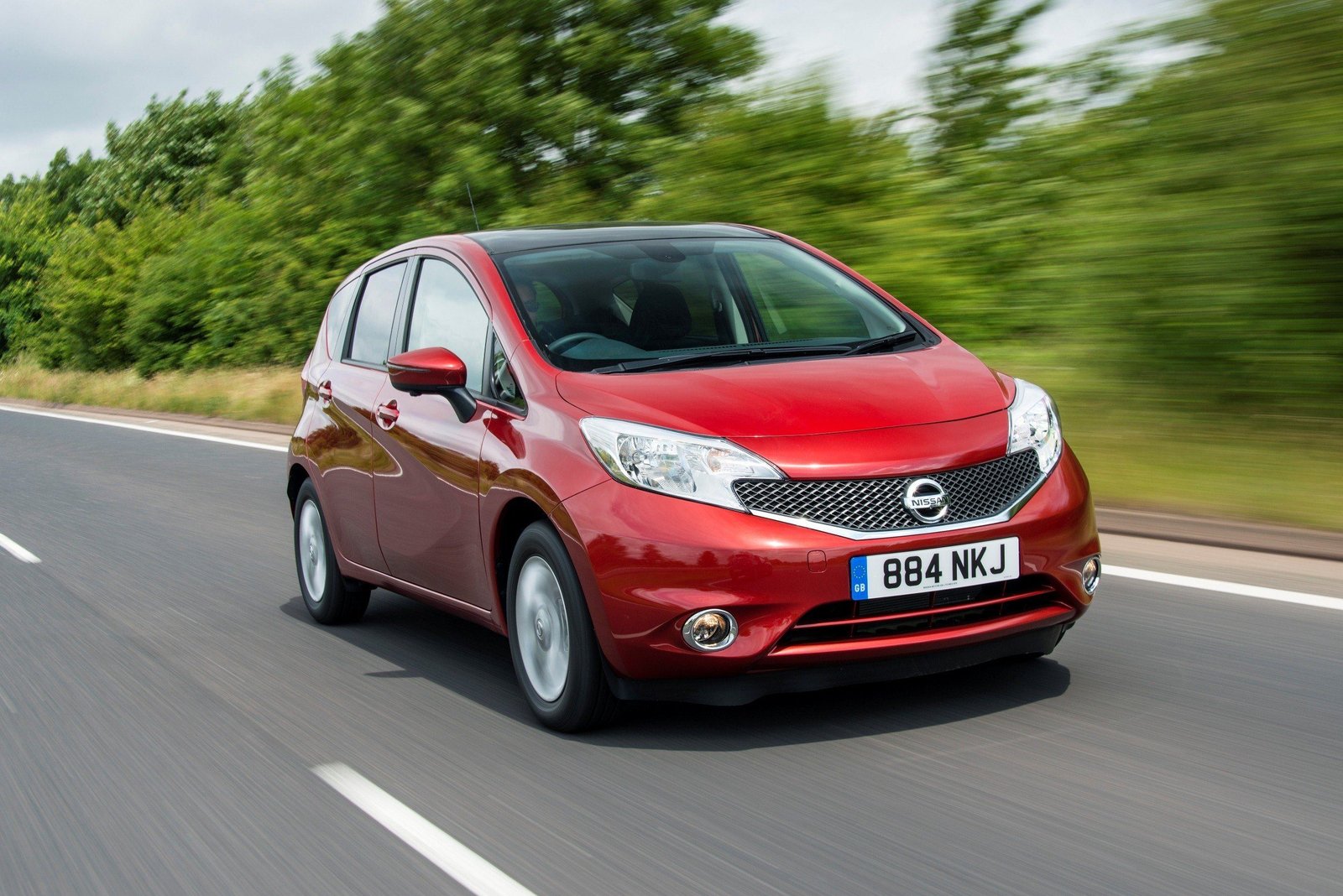
Best for: Small families and practical everyday use
The Nissan Note is one of those cars that makes more sense once you sit inside it.
Its tall body provides useful headroom, the doors offer good access and the cabin feels spacious for such a compact vehicle.
That makes it appealing to small families, older drivers and anyone who regularly carries passengers.
The 1.2-litre petrol manual is worth investigating, although buyers should research the particular engine version and its known issues.
We’d be more cautious with automatic examples using a CVT transmission unless their condition and maintenance history can be established.
What to check: Look for electrical faults, suspension wear, engine running problems and signs of poor maintenance. Pay particular attention to transmission operation on automatic versions.
Our verdict: A practical alternative to conventional hatchbacks, especially when interior space is a priority.
8. Skoda Fabia (2013–2016)

Best for: Practicality, value and regular commuting
The Skoda Fabia has long offered much of the Volkswagen Polo’s practicality and engineering at a potentially more attractive used price.
It’s sensible rather than exciting, with a useful boot, comfortable seating and straightforward controls.
Depending on the year, you’ll find different generations and engine options within this price range.
A well-maintained petrol manual is generally where we’d start looking, although the exact engine’s maintenance requirements should be checked carefully.
The Fabia can be particularly appealing if you need more space than a typical city car provides but don’t want the expense of running a larger hatchback.
What to check: Inspect suspension components, service records, clutch operation and engine condition. Check for water ingress and research any known faults associated with the particular engine.
Our verdict: One of the more practical and understated choices for buyers on a tight budget.
9. Toyota Aygo, Citroën C1 and Peugeot 108
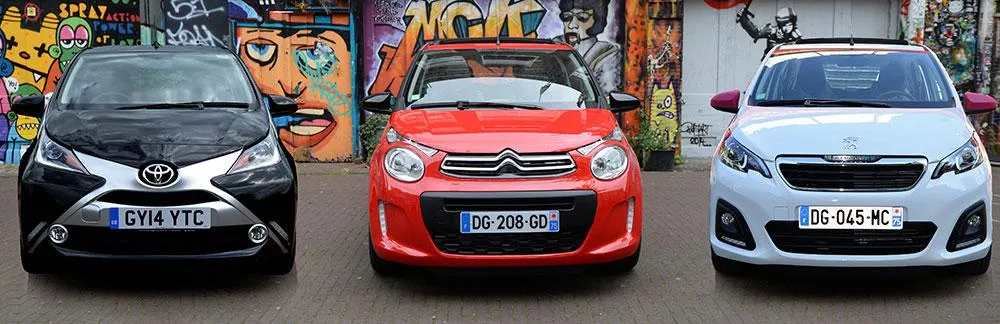
Best for: Low running costs and short urban journeys
These closely related city cars are among the most sensible choices for drivers who want affordable transport without paying for unnecessary size or equipment.
The Toyota Aygo, Citroën C1 and Peugeot 108 share much of their underlying engineering, although equipment, styling and some mechanical details vary by model and generation.
A 1.0-litre petrol manual is a particularly appealing option for town driving.
They’re easy to park, generally economical and straightforward to manoeuvre through narrow streets.
However, their small dimensions become more noticeable on long motorway journeys, particularly when carrying several passengers.
What to check: Pay attention to clutch wear, water leaks, exhaust condition and signs of corrosion. Check the condition of the brakes and suspension, particularly on cars used extensively in town.
Our verdict: Excellent budget city cars if you don’t need much luggage space or regular long-distance comfort.
10. Volkswagen Up, Skoda Citigo and SEAT Mii
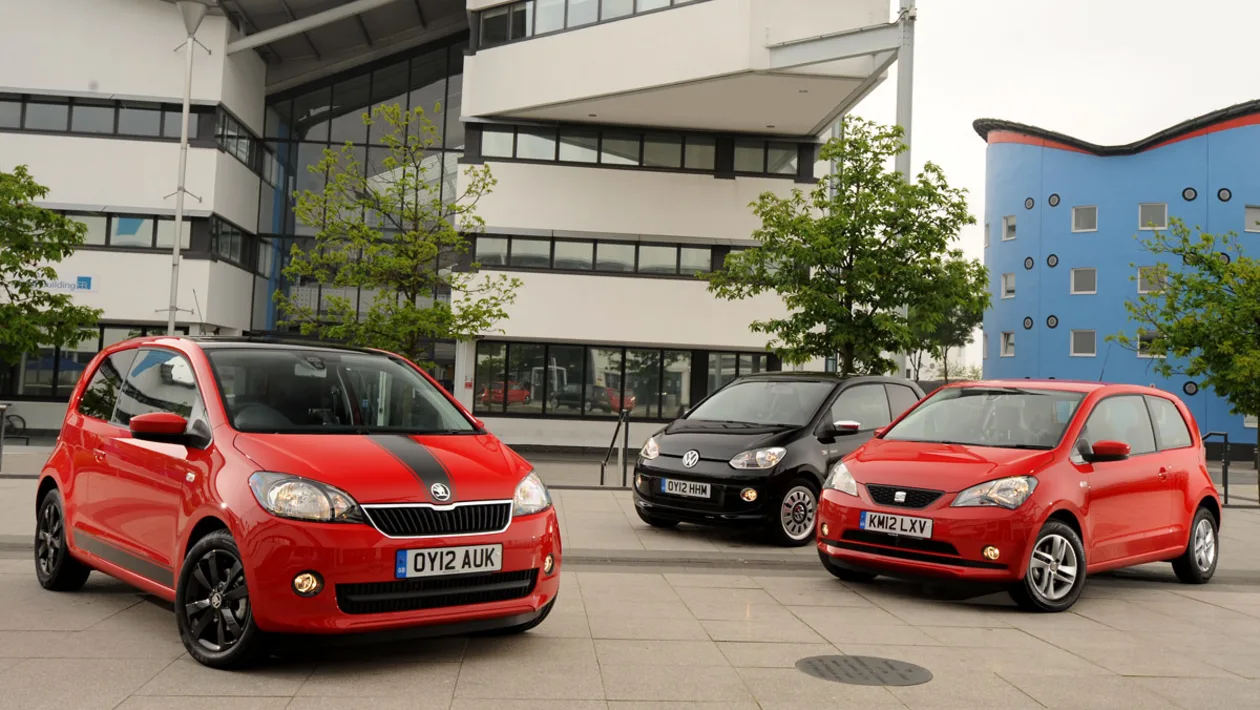
Best for: City driving with a little extra refinement
The Volkswagen Up, Skoda Citigo and SEAT Mii are closely related small cars that offer an appealing combination of compact dimensions and everyday usability.
They’re easy to drive, economical and surprisingly comfortable for their size.
The 1.0-litre MPI petrol engine is a sensible starting point, particularly when paired with a manual gearbox.
Although they’re primarily designed for urban use, they can cope with occasional motorway journeys more comfortably than their size might suggest.
The main difficulty can be finding a clean, well-maintained example within budget.
What to check: Inspect the clutch, brakes, suspension and cooling system. Check for water ingress, uneven tyre wear and any evidence of neglected maintenance.
Our verdict: One of the best city-car packages available at this price, especially if you find a tidy example with good records.
Which Used Car Under £5,000 Should You Choose?
There’s no single best car for everyone. Your ideal choice depends on how you intend to use it.
For overall reliability and straightforward ownership, we’d start with the Toyota Yaris or Honda Jazz.
If you enjoy driving and want something more engaging, a carefully chosen Ford Fiesta 1.25 petrol manual is worth considering.
For affordable town driving, the Kia Picanto, Toyota Aygo and Volkswagen Up make plenty of sense.
And if you need more passenger or luggage space, the Honda Jazz, Nissan Note and Skoda Fabia deserve a closer look.
The important thing is not to become fixated on one model. A well-maintained example of your second-choice car may be a much better purchase than a neglected example of your favourite.
What Mileage Is Too High for a £5,000 Used Car?
At this budget, it’s common to encounter vehicles with more than 80,000 or 100,000 miles.
That shouldn’t automatically put you off.
A car with 110,000 miles and comprehensive service records could be a safer purchase than one showing 60,000 miles with an uncertain maintenance history.
However, higher mileage does increase the importance of checking major wear items, including the clutch, gearbox, suspension and cooling system.
You should also investigate whether expensive scheduled maintenance is approaching.
For a more detailed explanation, read our guide to what mileage is too high when buying a used car.
What Should You Check Before Buying a Used Car Under £5,000?
At this price, condition matters more than shiny paintwork or a long equipment list.
A car can look immaculate in photographs but still require expensive mechanical repairs.
Check the MOT History
Before arranging a viewing, use the official GOV.UK MOT history checker.
Look for recurring advisories, corrosion, suspension problems and inconsistent mileage readings.
An MOT pass is reassuring, but it doesn’t guarantee that the car is mechanically sound.
Ask for Service Records
Look for invoices showing regular oil changes and scheduled maintenance.
A stamped service book is useful, but detailed receipts can tell you more about the work actually completed.
Check whether the timing belt, gearbox or other major components require scheduled maintenance.
Start the Engine From Cold
Ask the seller not to warm the engine before you arrive.
Listen for unusual rattling, knocking or uneven running.
Check for excessive smoke, fluid leaks and dashboard warning lights.
Take a Proper Test Drive
Drive the vehicle on different roads where safe and legal.
Check that the clutch engages smoothly, the gearbox operates correctly and the steering doesn’t pull to one side.
Listen for suspension knocks and pay attention to how the brakes feel.
Inspect the Bodywork and Underside
Cosmetic scratches aren’t necessarily a major concern on a budget car.
Structural corrosion, poorly repaired accident damage and serious fluid leaks are much more important.
If you’re unsure, consider paying for an independent pre-purchase inspection.
Should You Spend the Full £5,000?
Not necessarily.
If £5,000 is your entire available budget, spending every penny on the purchase price could leave you struggling when the car needs tyres, servicing or unexpected repairs.
For example, buying a car for £4,000–£4,500 and keeping the remainder available for maintenance may be a more sensible approach.
Before committing, budget for insurance, Vehicle Excise Duty, servicing, fuel and any immediate work identified during the inspection.
A slightly cheaper car in good mechanical condition can be better value than a more expensive example that needs several repairs.
Petrol or Diesel: Which Is Better Under £5,000?
For many drivers shopping at this price, a small petrol car is the more straightforward option.
Petrol engines are often well suited to short journeys and urban driving, and some avoid the emissions-system complexity found in modern diesels.
Older diesel cars can still make sense if you regularly cover long motorway distances.
However, buyers should investigate diesel particulate filters, EGR systems, turbochargers and fuel-injection components.
You should also consider whether the vehicle complies with any emissions-based charging zones you regularly use.
Don’t assume every petrol car is reliable or every diesel is expensive to maintain. The specific engine and its condition are what matter.
Is It Better to Buy From a Dealer or Private Seller?
Both options have advantages.
A private seller may offer a lower price, and you might learn more about how the vehicle has been used.
However, your legal protection is generally more limited when buying privately.
Buying from a motor trader provides statutory consumer rights under the Consumer Rights Act 2015. These rights are separate from any optional warranty offered by the dealer.
A warranty doesn’t replace your legal rights, and a dealer cannot simply remove those rights by describing a car as sold as seen.
Whichever route you choose, check the seller’s identity, vehicle documentation and ownership circumstances carefully.
For more information, consult Citizens Advice’s guidance on buying a used car.
Used Cars Under £5,000: Common Mistakes to Avoid
The cheapest car advertised isn’t always the cheapest car to own.
Common mistakes include choosing a vehicle purely because it has low mileage, ignoring repeated MOT advisories or overlooking expensive scheduled maintenance.
Be particularly cautious when a seller cannot explain warning lights, coolant loss or unusual gearbox behaviour.
It’s also worth avoiding unnecessary pressure. If a seller insists that you must buy immediately or refuses a reasonable inspection, consider walking away.
There will always be another used car.
Frequently Asked Questions
What is the best used car under £5,000 in the UK?
The Toyota Yaris and Honda Jazz are strong all-round choices thanks to their practicality and reputation for reliability. The Ford Fiesta, Hyundai i20 and Skoda Fabia are also worth considering, depending on condition and engine choice.
What is the most reliable cheap used car?
There is no universally reliable model, but well-maintained Toyota Yaris and Honda Jazz petrol models are sensible starting points. Individual condition and servicing remain essential.
Can you still get a good used car for £5,000 in 2026?
Yes, although buyers may need to accept an older vehicle or higher mileage. Careful inspection and realistic maintenance budgeting are important.
Is 100,000 miles too much for a £5,000 car?
Not necessarily. A car with 100,000 miles can still be a worthwhile purchase if it has been properly maintained and passes a thorough inspection.
Which used cars are cheapest to insure?
Small cars with modest petrol engines, such as the Kia Picanto, Toyota Aygo and Volkswagen Up, are worth investigating. Actual insurance premiums depend on the driver, postcode, vehicle specification and insurer.
Should I avoid a Ford Fiesta EcoBoost?
Not every EcoBoost engine is problematic, but buyers should research the exact version and carefully examine maintenance records, particularly where wet timing belts and cooling-system issues are relevant.
Is buying a used car from a dealer safer than buying privately?
Buying from a motor trader generally provides stronger statutory consumer protection. However, you should still inspect the vehicle and check its history.
Should I buy an automatic car for under £5,000?
You can, but gearbox choice is particularly important. Research the transmission fitted, check its maintenance requirements and ensure it operates correctly during a test drive.
Are electric cars available for under £5,000?
Some older electric vehicles may fall within this budget, but battery health, remaining range and charging suitability require careful consideration. Availability varies considerably.
Final Verdict: The Best Used Cars Under £5,000 in the UK
You don’t need to spend a fortune to find a practical and dependable used car, but buying wisely matters more than ever.
For most buyers, the Toyota Yaris, Honda Jazz and Hyundai i20 are excellent places to begin. The Ford Fiesta remains an appealing choice for drivers who enjoy being behind the wheel, while the Volkswagen Up and Toyota Aygo make sense for inexpensive urban motoring.
Whichever model you choose, prioritise mechanical condition, service history and sensible ownership costs over age, mileage or appearance alone.
A carefully chosen £4,000 car with money left over for maintenance may ultimately serve you better than a £5,000 car that stretches your budget to its limit.