What Mileage Is Too High for a Used Car? 100,000 miles is a sensible point to start asking more questions, and at 150,000 miles I’d budget more carefully for repairs. Either car can be worth buying if the service records stack up, it drives properly and the price leaves room for the work it may need.
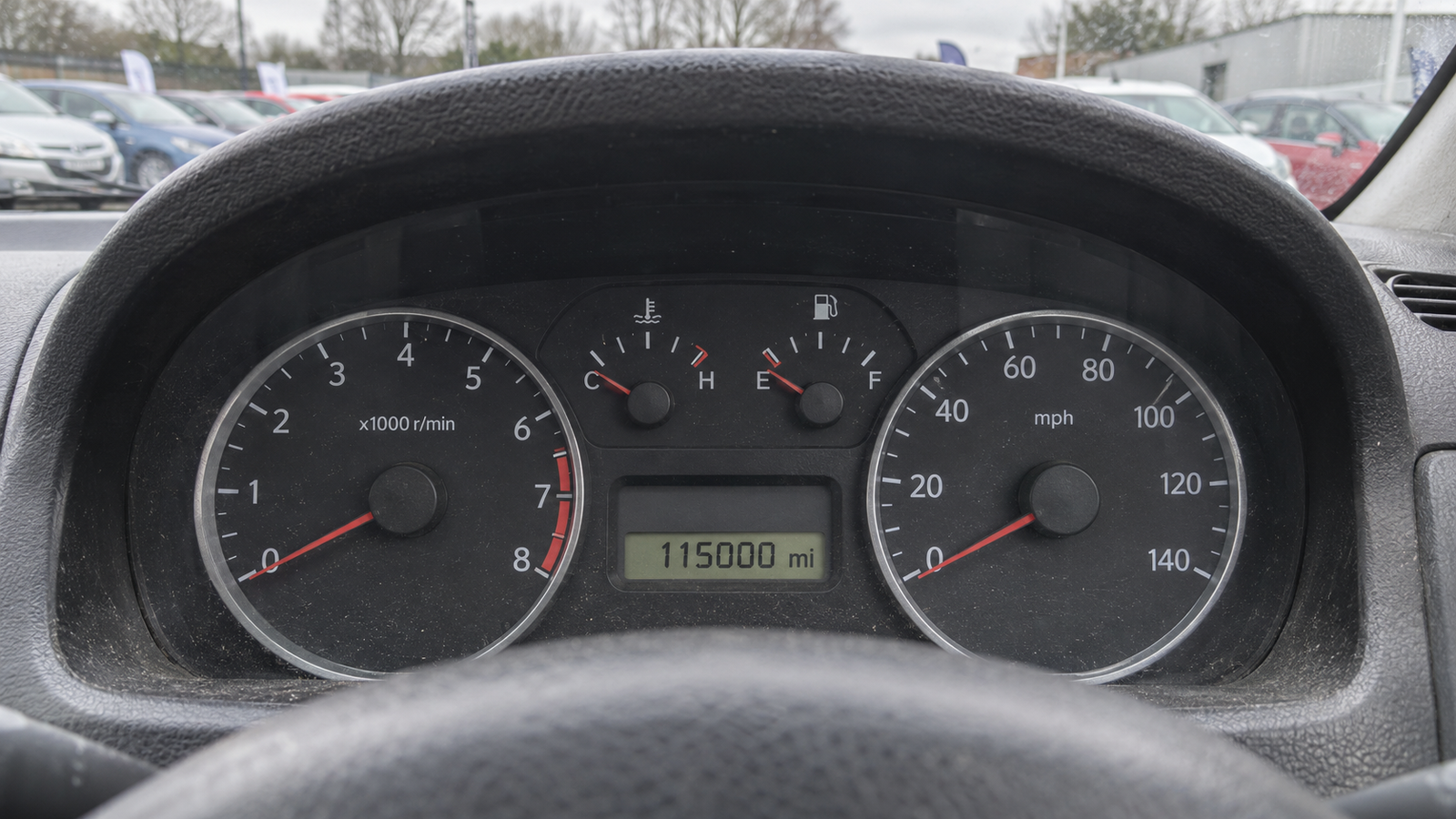
Take two cars at the same price. One has 115,000 miles, regular service invoices and a receipt for the timing belt due on that engine. The other has 72,000 miles, gaps in its history and a clutch that slips on the test drive. I’d take a closer look at the 115,000-mile car first.
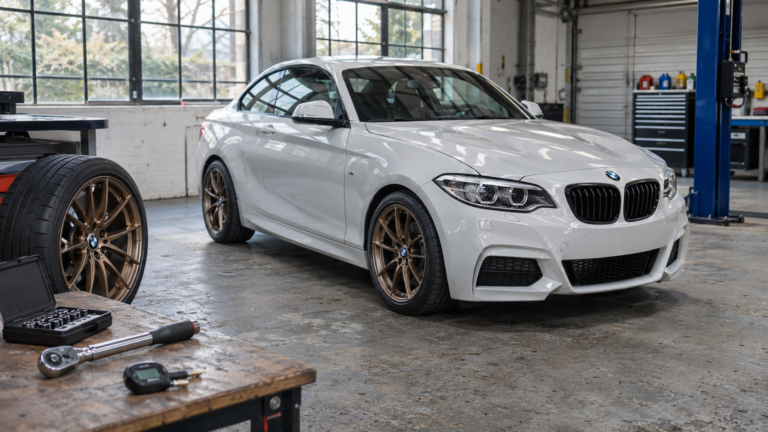
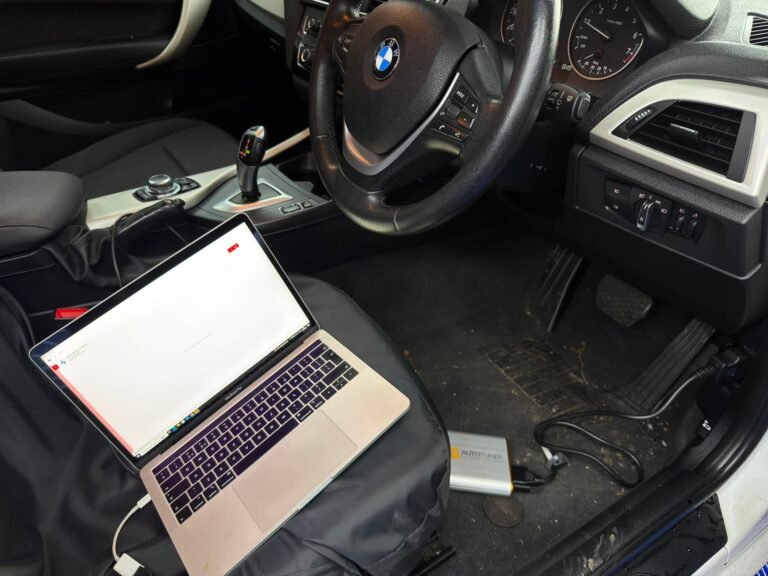
My own 2016 BMW 218i was showing around 102,000 miles shortly after I bought it. On a car of that age and mileage, I’m more interested in how the engine behaves from cold, how the automatic gearbox shifts and what the invoices say than whether the odometer has six digits.
What is good mileage for a used car?
Start with the car’s age. An 80,000-mile car that’s four years old has averaged 20,000 miles a year. At ten years old, the same reading works out at 8,000 miles a year. The first might have spent its days on the motorway. The second might have done mostly short trips. Ask the seller how the car was used and see whether the paperwork supports their answer.
| Odometer reading | Where to look first |
|---|---|
| Under 60,000 miles | Check age-based servicing, tyre condition and whether the car sat unused for long periods. |
| 60,000–99,999 miles | Check which major services are due for that exact engine and gearbox. |
| 100,000–149,999 miles | Look for invoices for previous work and price up anything due soon. Take a proper test drive. |
| 150,000 miles or more | Look closely at the engine, gearbox, cooling system and underside. Compare the asking price plus likely work with a better-maintained example. |
These are buying pointers. A manufacturer’s schedule for the exact model tells you when specific jobs are due. Some are based on age as well as mileage.
Is 100,000 miles too much for a used car?
I’d consider a 100,000-mile car with a convincing service history and a clean test drive. Before talking money, I’d ask the seller what they’ve spent on it recently and what work they expect it to need next. Then I’d look for invoices that back up the answer.
- Engine servicing. Look for dated oil and filter changes and check when the timing belt is due, where fitted. If the seller says it was done, ask for the invoice.
- Gearbox and clutch. Check the service requirements for that specific automatic gearbox. On a manual, pay attention to slipping, judder or difficulty selecting gears.
- Cooling system and suspension. Ask about previous coolant loss or overheating. Look for fluid leaks, uneven tyre wear and recurring suspension advisories.
- Known faults. Check the exact engine and gearbox fitted. Two cars with the same badge can have different maintenance requirements and common faults.
A stamped service book tells you when the car went in. An itemised invoice tells you what the garage actually did. That difference matters when a seller says it’s “had a big service”.
Is 150,000 miles too high?
At 150,000 miles, I’d buy only if the condition, paperwork and price all made sense. A car with documented recent work and a tidy underside deserves a look. If the seller can’t account for recurring advisories or explain a persistent noise on the test drive, I’d get an independent inspection before committing.
Do the sums on the purchase price plus the work you can already see. Say a 150,000-mile car is £2,800 and you’ve been quoted £700 for work it needs soon. That puts you at £3,500 before any surprises. A £3,600 example with the same work already documented might be worth the extra £100. Those figures are an example of how to compare two cars.
At 200,000 miles, I’d want even stronger paperwork and enough money set aside for repairs. If you’re buying on a tight budget, compare a few models and leave some of it for the first service and any immediate work. Best used cars under £5,000 in the UK
What to check before you buy
- Read the MOT history before travelling. Compare the recorded mileages with the advert and look for recurring advisories. If the mileage goes backwards, ask for an explanation and supporting paperwork. A recording error is possible. Check MOT history on GOV.UK
- Match the car to its paperwork. Check the registration and vehicle identification number against the V5C. Match service invoices to the car and compare their dates and mileages with the MOT record. GOV.UK used-vehicle checks
- Ask for a cold start. Ask the seller to leave the engine cold before you arrive. Listen for persistent rattling or knocking and note any warning lights that stay on.
- Take a proper test drive. If you’re insured to drive it, check how the car starts, pulls away, shifts and brakes. A short run around the block may give you little chance to notice a fault that only appears once it warms up.
- Look at the underside and get a quote if you’re unsure. Repeated corrosion advisories, unexplained fluid loss or a gearbox that feels wrong deserve a closer look. An independent inspection can help you decide whether to negotiate or walk away.
An MOT pass gives you a record of the test on that day. Use the history, invoices and inspection together when deciding what you’d be happy to drive home in.
Does mileage matter more for petrol or diesel?
I’d look at how you’ll use the car. A higher-mileage diesel with evidence of regular longer journeys may make sense if you do similar driving. If most of your trips are short, I’d compare petrol options too and check whether the diesel has a history of emissions-system faults.
On a petrol car, check known issues for that exact engine. Ask about oil top-ups and look for evidence of regular servicing. On a diesel, ask about any work on the particulate filter, injectors, turbo or AdBlue system where fitted. A repair invoice is more useful than a seller saying a warning light was “just a sensor”.
Used-car mileage FAQs
Is 80,000 miles high for a used car?
It’s substantial on a four-year-old car and more modest on a ten-year-old one. Compare it with cars of the same age and model, then look at what maintenance is due.
Should I buy a car with 120,000 miles?
I’d consider it if the service invoices add up, the test drive goes well and the price leaves room for repairs. Get a quote before committing if there’s a large job due or a fault you can’t identify.
Is a low-mileage car always worth paying more for?
A low-mileage car earns the premium when its condition and history back it up. Check whether servicing was kept up by date, whether the tyres are ageing and whether the car spent long periods parked.
When should I walk away?
I’d walk away if the seller can’t explain a mileage discrepancy, refuses a reasonable inspection or expects a clean-car price when expensive work is already apparent.