The Hyundai i10, Volkswagen Up and lower-powered Volkswagen Polo are useful starting points when looking for the cheapest cars to insure for new drivers. But the exact year, engine and trim matter more than the badge on the bonnet.
One version can have a much lower insurance group than another that looks almost identical. Even then, a low group does not guarantee the lowest quote for your age, postcode and driving history.
Below are specific versions worth comparing, their published insurance groups, and the catches to check before buying. Get quotes using the actual registration number before paying a deposit.
Cheap cars to insure: specific versions at a glance
| Car and example year | Engine and trim | Gearbox | Published insurance group |
|---|---|---|---|
| Hyundai i10, 2015 | 1.0 S, 66PS | Manual | 1 |
| Volkswagen Up, 2016 | 1.0 Move Up, 60PS | Manual | 1E |
| Volkswagen Polo, 2018 | 1.0 S, 65PS | Manual | 1E |
| Skoda Fabia, 2016 | 1.0 MPI S, 60PS hatchback | Manual | 2E |
| Kia Picanto, current UK Pure range* | 1.0 Pure, 67bhp | AMT automatic | 1E |
| Kia Picanto, current UK Pure range* | 1.0 Pure, 67bhp | Manual | 3E |
| Toyota Aygo X, 2022 | 1.0 VVT-i Pure | Manual | 5A |
Checked on 5 November 2026. Years identify specific examples, not a promise that every car in that generation has the same rating. The older models use published manufacturer brochure ratings, with the Up cross-checked against a Volkswagen retailer listing. Kia’s figures are from its current UK price guide. These are comparison pointers, not personalised quotes or a ranking by premium.
Sources: Hyundai’s 2015 UK brochure, archived copy, Volkswagen Up retailer specification, Volkswagen’s June 2018 Polo guide, archived copy, Skoda’s December 2016 brochure, archived copy, Kia’s UK price guide and Toyota’s official Aygo X ratings.
Hyundai i10: start with the older 1.0 manual
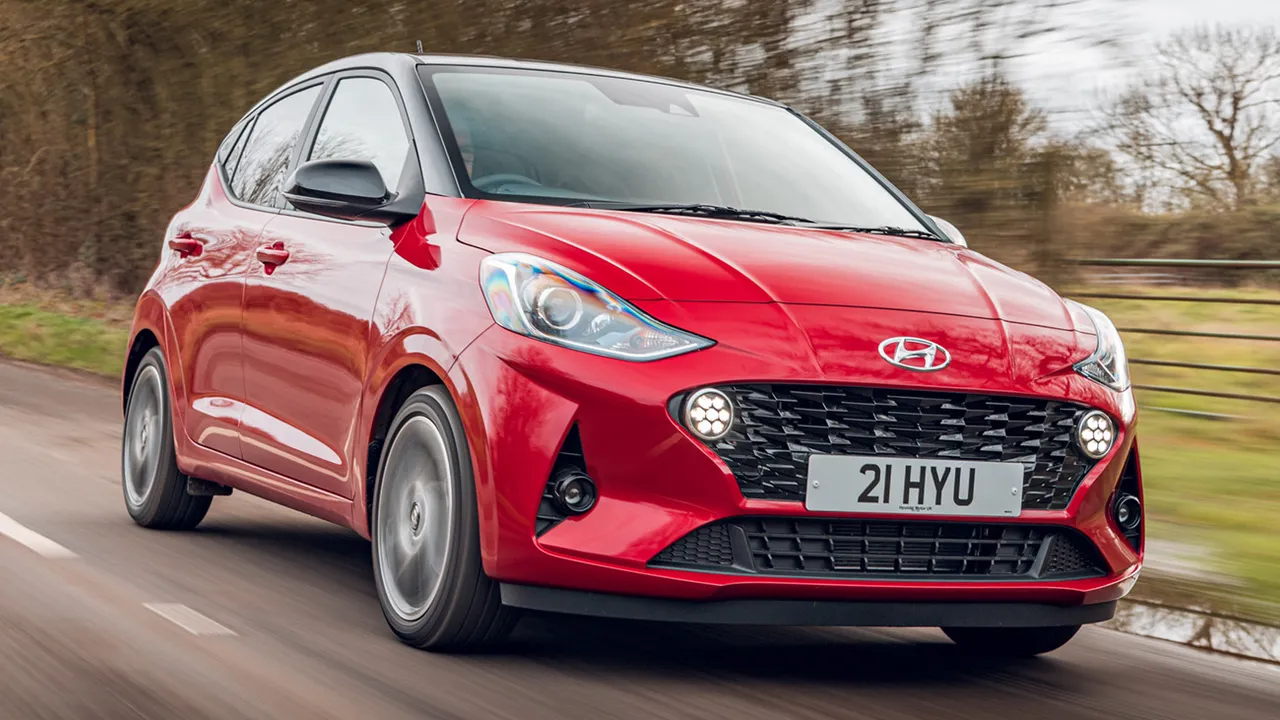
The 2015 Hyundai i10 1.0 S manual is a useful used-car option to quote. Hyundai’s period brochure lists the 66PS version in insurance group 1. The same guide places several other 1.0 trims in group 1, while its 1.2-litre versions have higher ratings.
Its compact size should suit drivers who want something manageable for parking and local journeys. Check the equipment carefully, though: a low purchase price is less appealing if the car lacks something you need.
Do not apply that 2015 rating to every i10. Later cars, different engines and different gearboxes need their own checks.
Volkswagen Up: check the 60PS Move Up
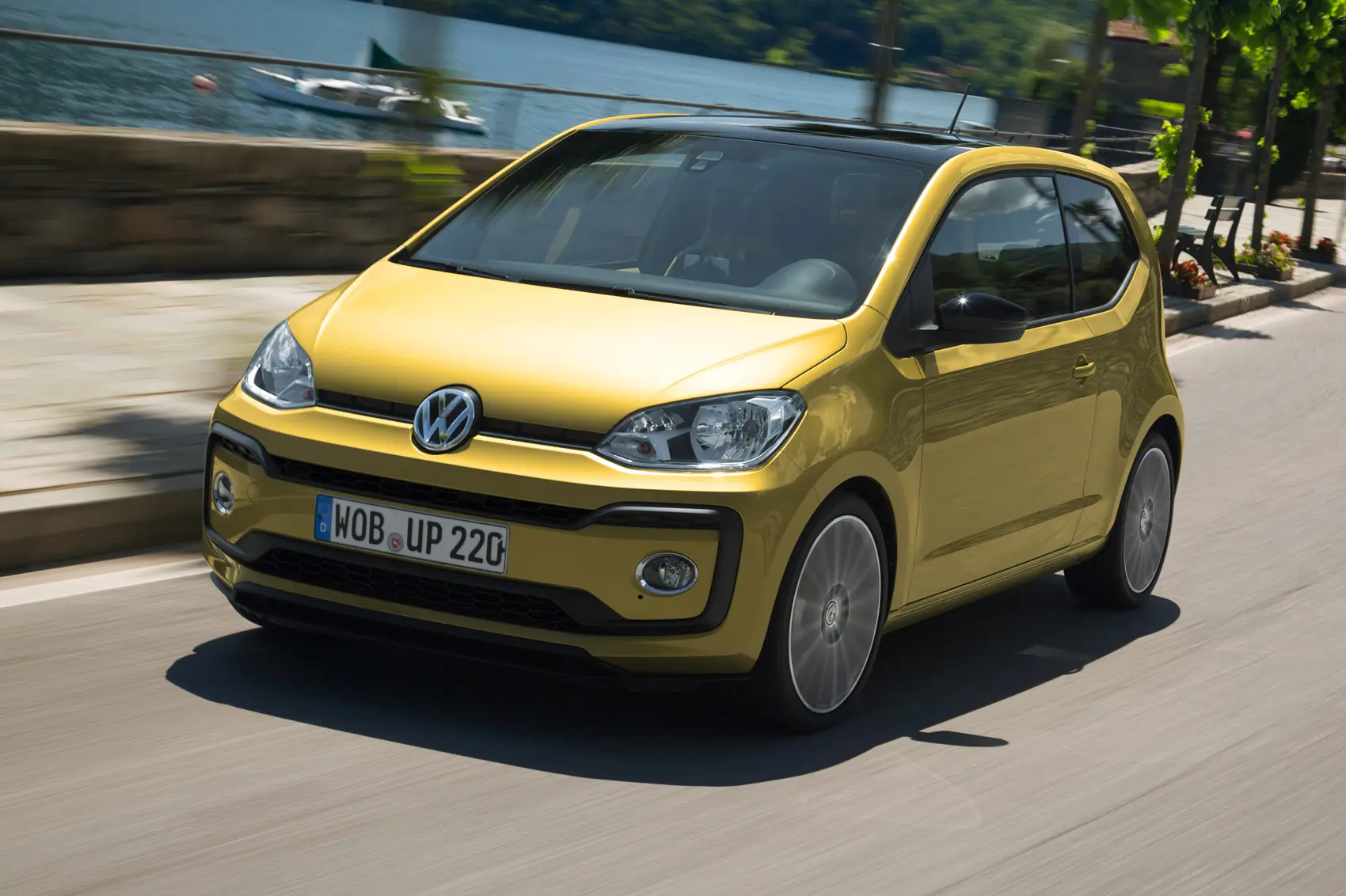
A 2016 Volkswagen Up 1.0 Move Up manual with 60PS is another version to investigate. A Volkswagen retailer’s specification for that exact version lists group 1E.
It belongs on the shortlist if you want a small used car, but inspect the seating arrangement and boot before deciding whether it suits your routine. Take it on a test drive that includes the faster roads you normally use.
The Up name also covers different engines and specifications. A quote for a basic 60PS car tells you little about what a GTI or electric e-Up will cost to insure.
Volkswagen Polo: look for the 1.0 S 65PS
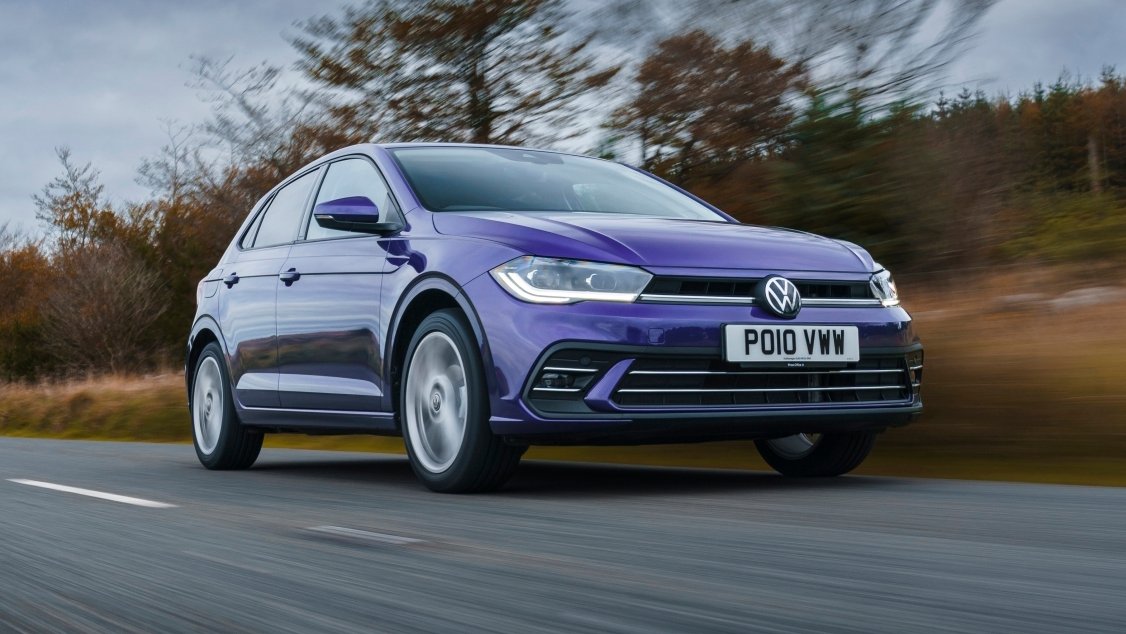
If you prefer a larger hatchback, try the 2018 Volkswagen Polo 1.0 S 65PS manual. Volkswagen’s June 2018 UK guide lists this version in group 1E.
That is a good reason to compare a quote, rather than assume a Polo will cost more to insure than a smaller city car. However, compare the purchase price and running costs as well as the premium.
Make sure an advert describes the correct engine. The 65PS petrol version is not interchangeable with a more powerful TSI or GTI for insurance purposes.
Skoda Fabia: choose the 60PS MPI carefully
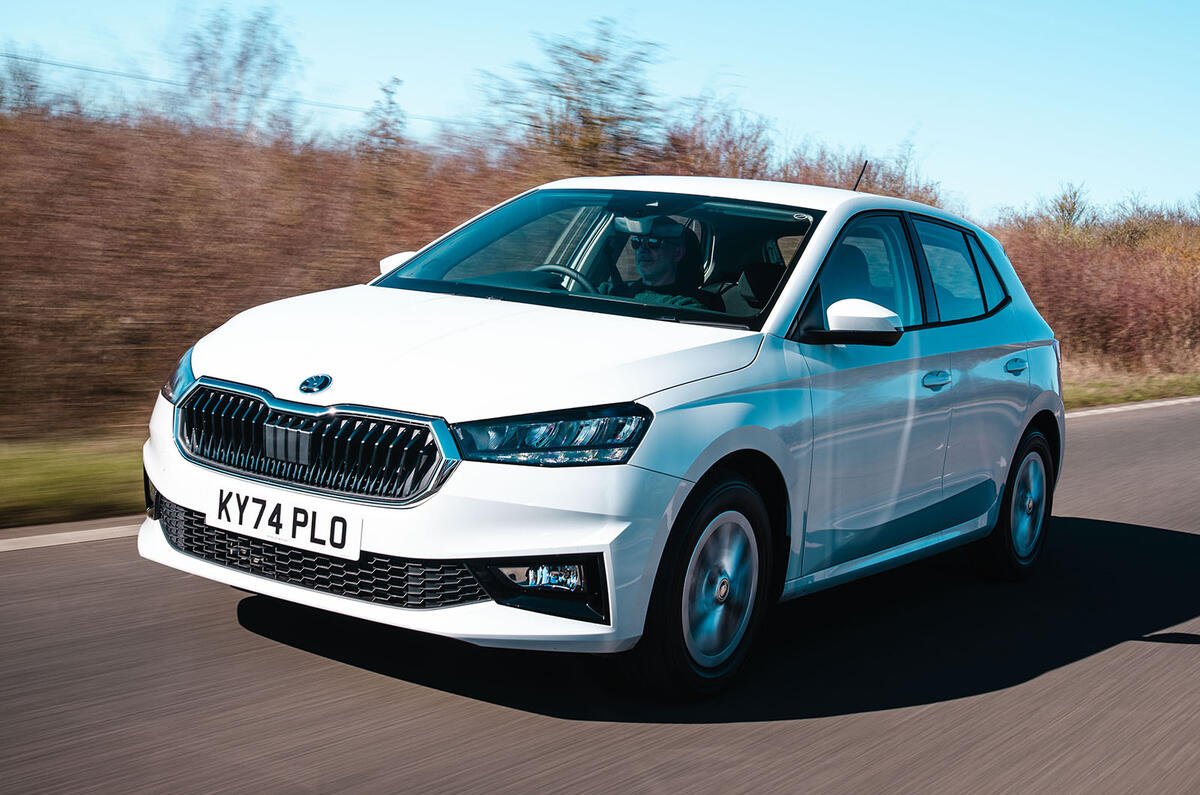
The 2016 Skoda Fabia 1.0 MPI S 60PS manual hatchback offers another low-group option. Skoda’s December 2016 brochure lists it in group 2E.
The detail matters here. In that same S-trim hatchback table, the 75PS 1.0 MPI sits in group 4E. Both cars have a 1.0-litre engine, but they do not have the same published insurance rating.
The Fabia is worth viewing if you need space for passengers or luggage alongside a modest engine. Check that the quote matches the hatchback, power output and trim you are actually buying.
Kia Picanto: the automatic can have the lower group

Kia’s current UK price guide lists the Picanto 1.0 Pure 67bhp AMT in group 1E, compared with group 3E for the manual Pure.
That is a useful reminder that an automatic is not always in the higher insurance group. It still does not mean the AMT will return a cheaper personal quote, or cost less overall once its purchase price is included.
AMT means automated manual transmission. Test-drive it before buying to see whether its gear changes suit you. Older Picantos have different trim names and ratings, so do not transfer these figures to a used example without checking.
Toyota Aygo X: distinguish the petrol car from the hybrid

For a used Aygo X, start by quoting the 2022 1.0 VVT-i Pure manual. Toyota lists the original Pure manual in group 5, with the Pure automatic in group 6. Its published insurance document gives the manual’s full rating as 5A.
That makes it a relatively low-group candidate, although it sits above several examples in this shortlist. Your individual quotes may still put the cars in a different order.
There is also an important update: the new Aygo X is now a 1.5-litre hybrid. The older 1.0-litre petrol car’s rating should not be applied to the hybrid.
Why a low insurance group does not guarantee cheap cover
Insurance groups help compare vehicle risk. They take account of factors including performance, repair costs and safety equipment. They do not set the price of your policy.
Insurers also assess you and how the car will be used. Your age, postcode, licence history, mileage, occupation and claims history can all affect the quote. Being newly qualified at 35 is a different situation from passing at 17.
The familiar 1–50 group system is also changing. Thatcham Research’s Vehicle Risk Rating assesses performance, damageability, repairability, safety and security. Published group numbers remain useful when comparing older cars, but your insurer’s quote is the figure to budget around.
How to compare insurance before buying your first car
- Shortlist actual cars. Use their registration numbers and confirm the engine, gearbox and trim returned by the quote system.
- Keep your details consistent. Compare using the same accurate mileage, use, address, start date and driver details.
- Check more than one comparison site. The available insurers and prices can differ.
- Read beyond the premium. Compare the total excess, cover, exclusions and optional extras.
- Add up ownership costs. Include the purchase price, insurance, vehicle tax, fuel and maintenance.
For a used example, check its condition and history too. Our used-car mileage guide explains why the odometer reading is only part of the picture.
Ways new drivers can reduce insurance costs
Compare comprehensive cover. Third-party cover is not automatically cheaper. MoneyHelper’s insurance guide explains the differences.
Try a black box quote. Telematics may suit some new drivers. Read the policy’s mileage limits, driving-score rules, charges and any restrictions before choosing it.
Consider an experienced named driver. This may reduce the price, but you must accurately identify the main driver. The Motor Insurers’ Bureau warns against declaring a parent as the main user when the car is mainly yours to drive.
Check the excess you could actually afford. Add the compulsory and voluntary amounts together. A lower premium is less useful if a claim would leave you unable to cover your contribution.
Compare annual and monthly totals. Instalments can include interest. Check the full year’s cost rather than just the monthly payment.
Check modifications before buying. Tell the insurer about changes and confirm it will cover them. Aftermarket wheels, suspension or engine tuning can affect your options.
Frequently asked questions
What is the cheapest car to insure for a new driver?
There is no single cheapest car for everyone. Specific low-group versions of the Hyundai i10, Volkswagen Up and Volkswagen Polo are sensible starting points. Compare quotes for actual cars before deciding.
Are all 1.0-litre cars cheap to insure?
No. Power output, trim, repair costs and other factors matter too. For example, Skoda’s 2016 brochure gives the Fabia S 1.0 MPI 60PS and 75PS hatchbacks different insurance groups.
Are used cars cheaper to insure than new cars?
Not necessarily. A lower vehicle value does not guarantee a lower premium. Compare the exact cars using the same driver details, and include maintenance and purchase costs in your decision.
Is automatic car insurance more expensive?
Not always. Kia’s current Picanto Pure AMT has a lower published group than the manual. Personal quotes can still differ, so compare both if either gearbox would suit you.
Will black box insurance definitely save money?
No. It may be competitive, but the price and rules vary between policies. Compare it with conventional cover and choose a policy that suits your driving.